Mumbai: Asian Development Bank (ADB) Chief Economist Albert Park has warned that crude oil prices are likely to remain high for a longer period due to continuing tensions in the Middle East.
According to Park, the ADB now expects crude oil prices to average USD 96 per barrel in 2026.
For 2027, prices are expected to remain elevated at around USD 80 per barrel.
He said future market trends also suggest oil prices may stay higher than earlier expected.
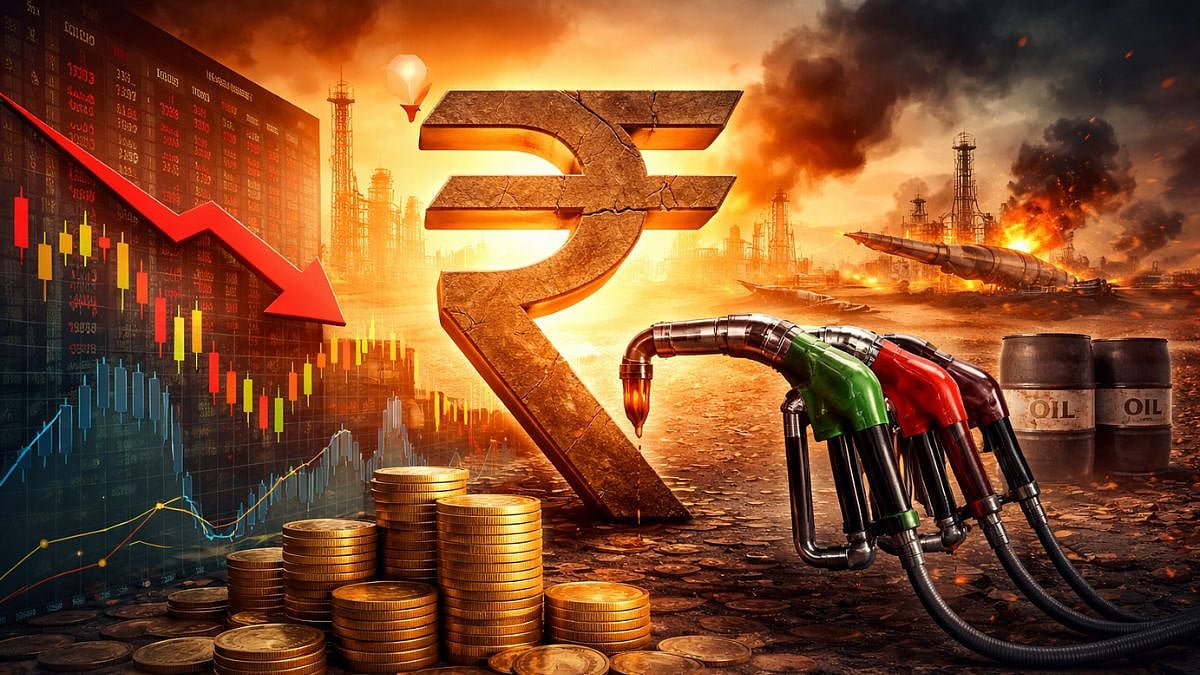
The prolonged crisis in West Asia has disrupted supply and created shortages in the global energy market.
Impact on India’s Economic Growth
Higher crude oil prices are expected to affect India’s economy.
Park said India’s GDP growth could slow by 0.6 percentage points in the current financial year because of the impact of expensive oil imports.
This would bring India’s growth rate down to 6.3 per cent.
Earlier, the ADB had projected India’s GDP growth at 6.9 per cent for the current financial year.
Despite this slowdown, Park said India is likely to recover next year and bounce back strongly.
Inflation Could Rise Sharply
The bigger concern for India is inflation.
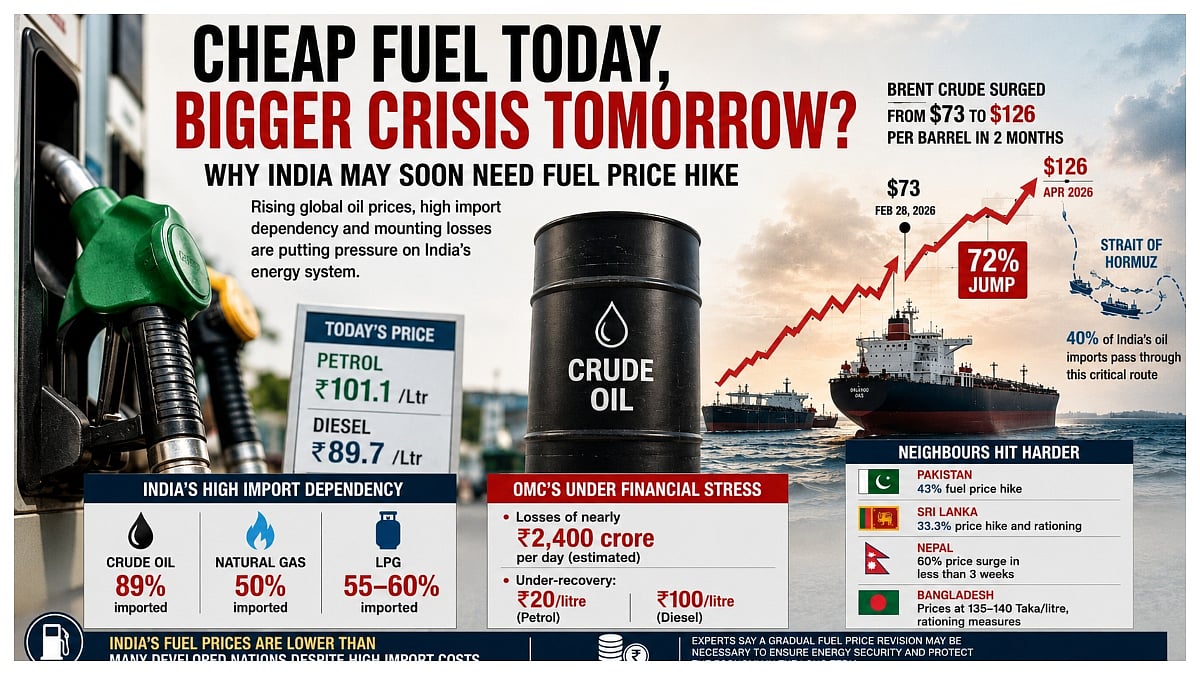
ADB estimates that inflation could rise by 2.4 percentage points this year, taking it to around 6.9 per cent.
This is much higher than the earlier estimate of 4.5 per cent.
Park explained that India is more vulnerable because it depends heavily on imported crude oil and gas.
When energy prices rise globally, India faces higher import costs, which increase prices across many sectors.
Asia-Pacific Growth Also Under Pressure
The impact is not limited to India.
ADB has lowered its growth forecast for the Asia-Pacific region for 2026 to 4.7 per cent from its earlier estimate of 5.1 per cent.
The revision reflects concerns over prolonged disruptions in West Asia.

Food Prices May Also Rise
Park also raised concerns about food inflation.
He said the possible impact of El Niño, along with rising fertiliser prices, could affect crop production.
If fertiliser costs stay high, farmers may use less fertiliser, reducing crop yields.
This could lead to lower food supply and higher prices.
He added that India plays a major role in global rice trade, so any disruption in Indian food production could affect food prices in many countries worldwide.

