
Oil prices have continued to rise on Saturday with no signs of de-escalation on the war front in West Asia.
Brent Crude jumped over 8.5 percent than its previous close to reach $92.69 per barrel while WTI Crude surged over 12.2 percent to close at $90.9 per barrel.
This is the first time that Brent Crude has crossed the $90 per barrel mark since April 2024.
With this, WTI Crude has increased over 35 percent since the start of the war and benchmark Brent has got dearer by over 27 percent.
Before the war, WTI Crude was hovering around $67 per barrel and Brent was at around $72 per barrel.
The sharp surge in oil prices on Saturday came as neither side in the war signalled towards resolving matters through diplomacy.
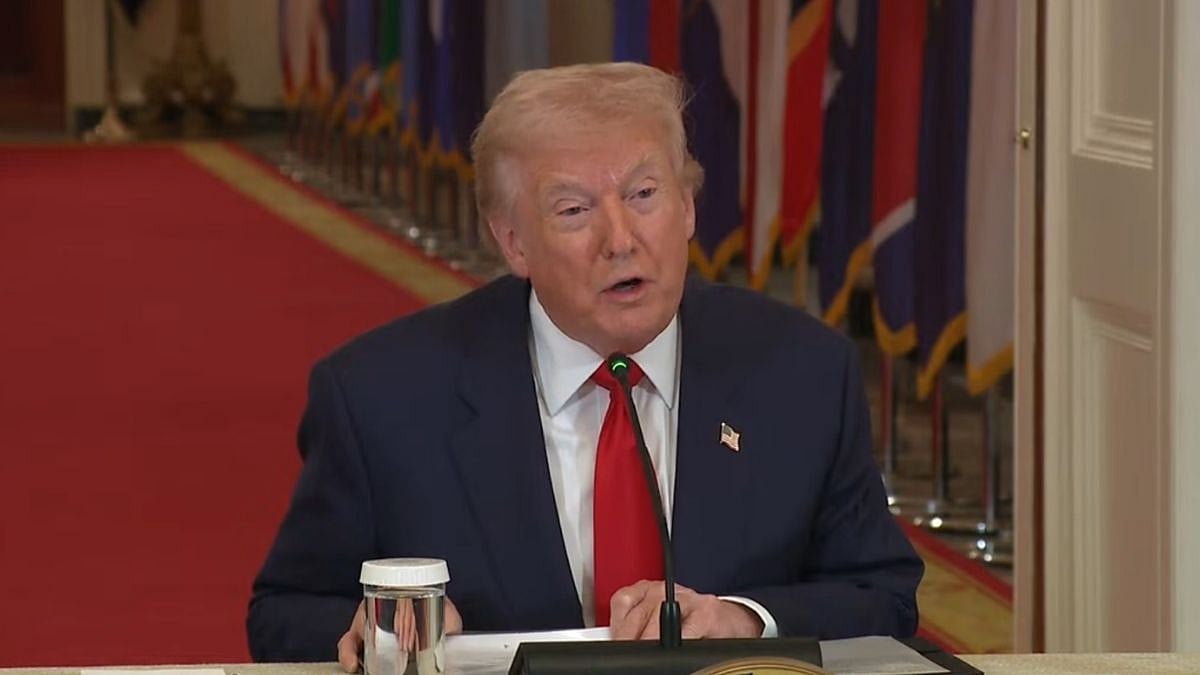
While on one side the US President Donald Trump claimed that Iran was being “destroyed” with force “never seen before”, Iran also said that it had no intention of negotiating.
Iran’s Foreign Minister Abbas Araghchi even said that his country was ready for a ground invasion.
The spike in oil prices on Saturday has come despite the US expressing hopes for the contrary.
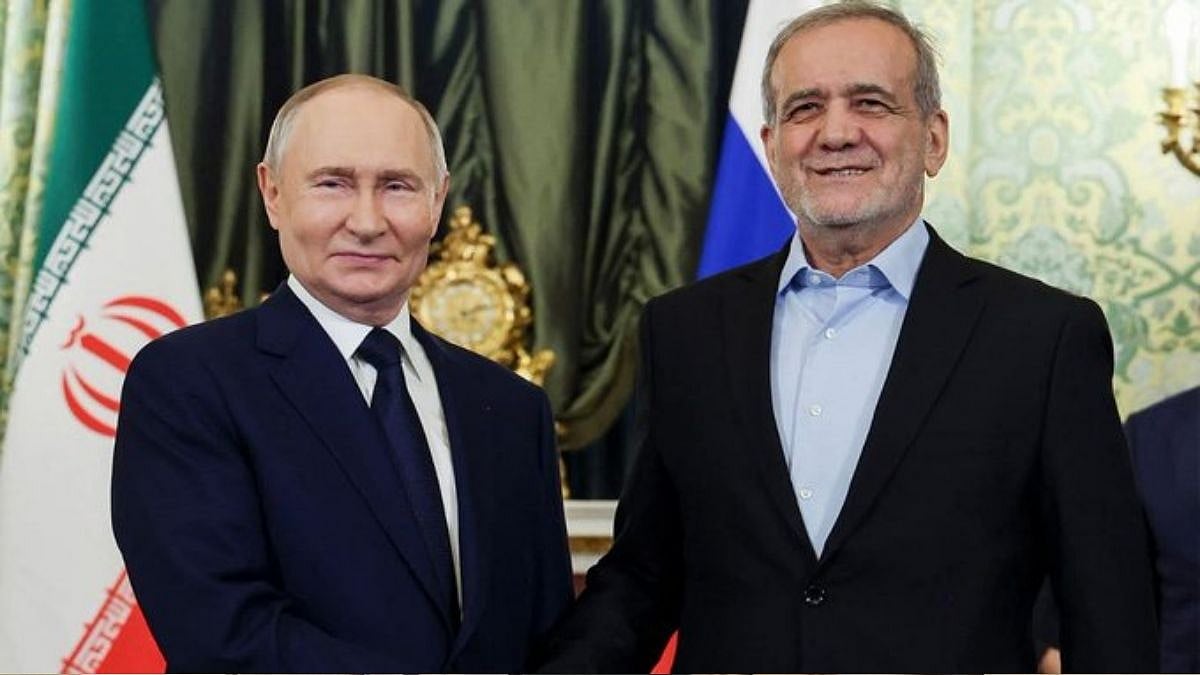
On Friday, the US Energy Secretary Scott Bessent had announced that India will be allowed to buy Russian oil for the next 30 days.
The decision was taken to pump up energy supply and limit oil prices from surging further. Apart from being the third-largest importer of oil, India is also among the top exporters of petroleum products.
With the 30-day moratorium to India, it was expected that negative sentiment around the crunched oil supply would dilute to some extent.
Moreover, Bessent later on Friday said that the US was considering lifting sanctions on more Russian oil.
Amid all this, Iran has said that it did not close the Strait of Hormuz. During the Raisina Dialogue on Friday in New Delhi, Iran’s deputy foreign minister Saeed Khatibzadeh said that his country was a responsible power and it had not shut the Strait.
He said that if Iran shuts the strategically vital passage, it will announce so.

