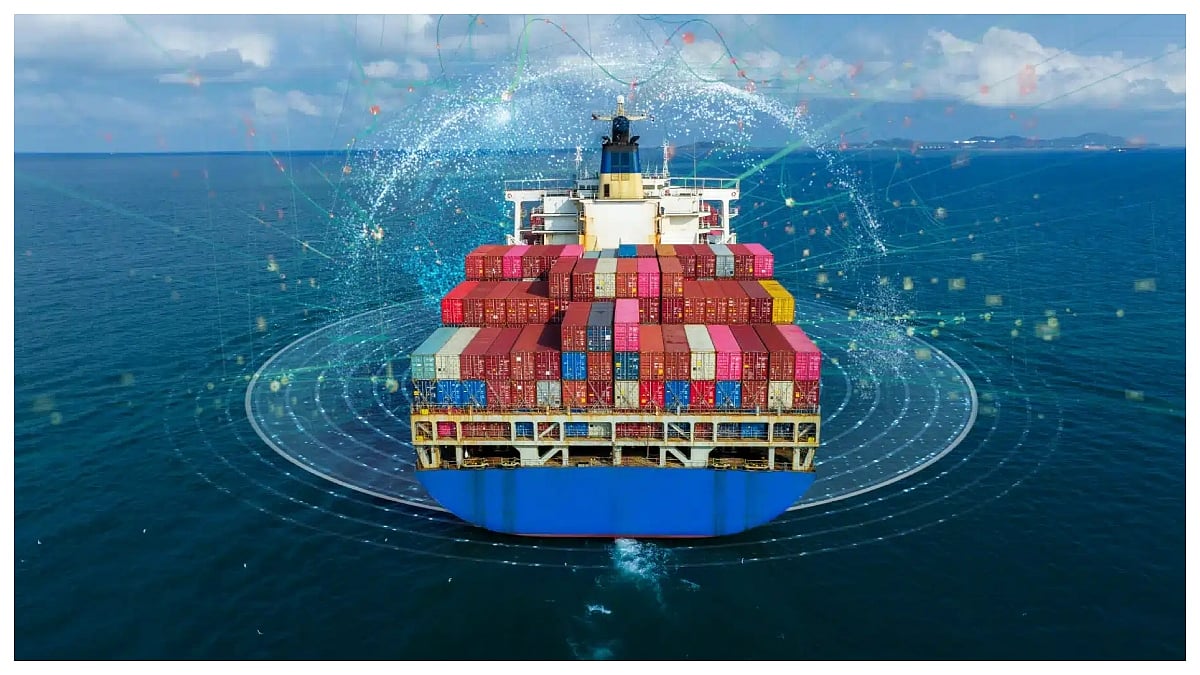
Mumbai: On Saturday, the PM Modi-led Union Cabinet approved the creation of a Sovereign Maritime Fund to provide Rs 12,980 crore insurance cover for Indian-flagged, India-bound, and India-originating vessels. Amid rising global risks and volatility, this move will shield India's shipping lifelines from rising insurance costs.
According to PM Modi, the pool will "help Indian trade access affordable insurance for ships carrying cargo to and from the country", and also "through high-risk maritime routes." He added that the initiative will also help build domestic expertise in marine underwriting, claims management, and legal processes, while aligning insurance offerings with Indian shipping conditions and regulatory needs.
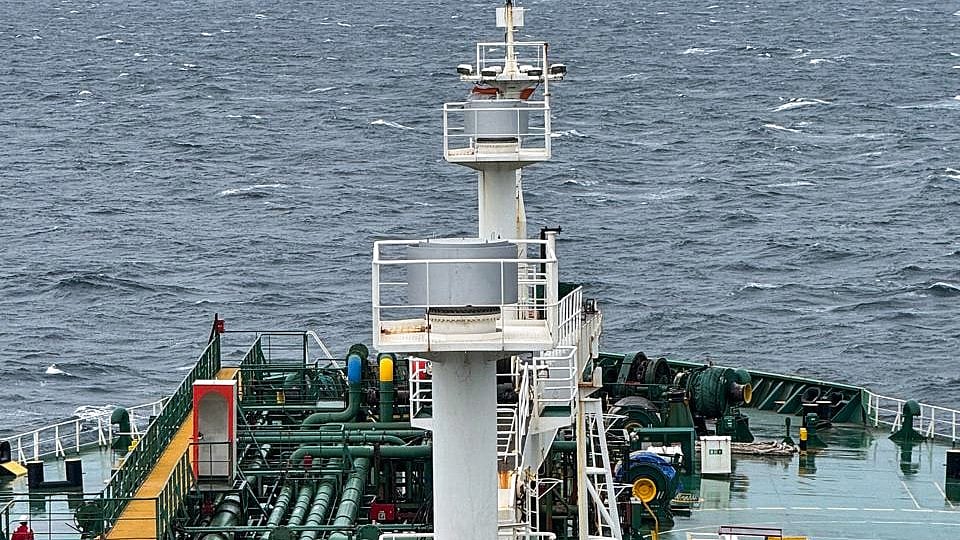
The BMI pool will cover key maritime risks, according to Times of India, including hull and machinery, cargo, P&I, and war risk. Policies will be issued by member insurers using a combined underwriting capacity of about Rupees 950 crore.
This move will promote self-reliance and strengthen resilience to sanctions. On Saturday, multiple Indian-linked vessels- carrying non-Iranian crude- Sanmar Herald, Desh Garima, Desh Vaibhav, and Desh Vibhor, attempted to move northeast toward the strait from waters off Dubai before turning back or halting. The vessels were among those caught in a state of confusion as shipowners and traders assessed whether Iran would uphold its assurance that the key energy chokepoint would remain open.
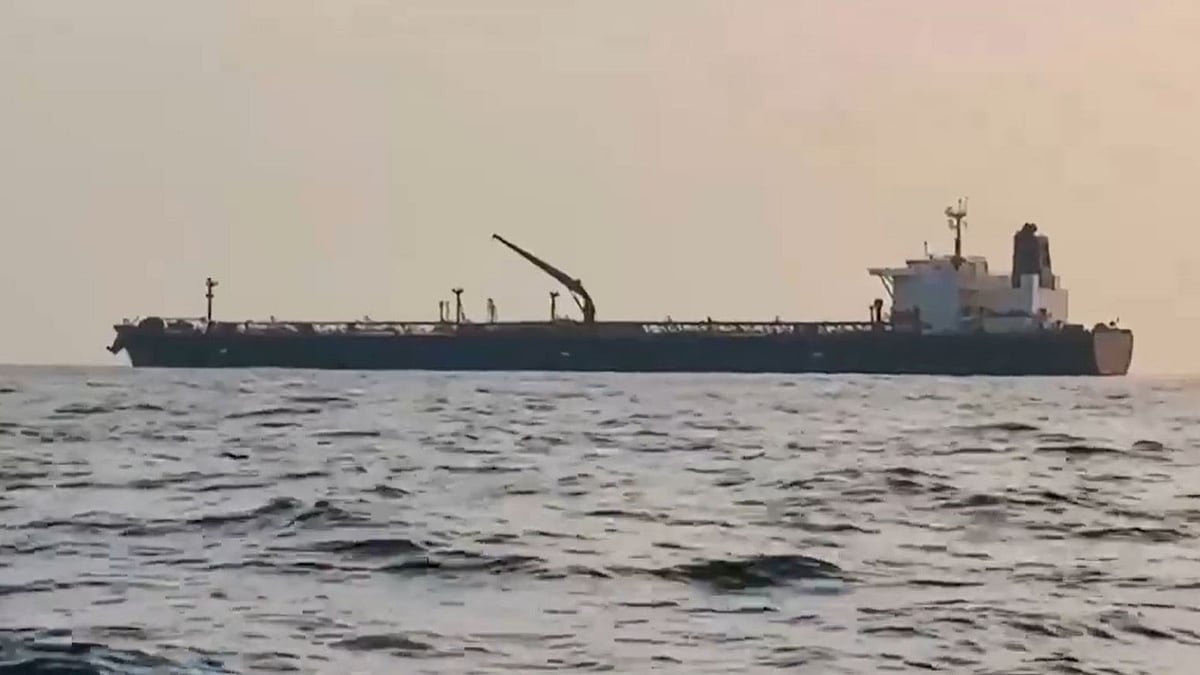
Bloomberg noted that the group collectively held millions of barrels of crude, and their successful passage would have marked one of the highest single-day flows since the conflict began. The Times of India reported, "Adding to the confusion, shipowners were said to have received radio warnings indicating that passage could still require clearance from Iranian authorities, even after public statements suggested the strait was open."
The key oil chokepoint was reopened for commercial vessels on Friday in line with a 10-day ceasefire between Israel and Lebanon, briefly lifting energy markets and prompting optimism in Washington. However, Tehran quickly signalled that the reprieve could be short-lived if US pressure continues.
