
Packaged drinking water manufacturer Bisleri International on Saturday disputed adverse laboratory findings concerning a water sample collected in West Bengal, maintaining that independent tests established compliance with applicable food safety standards.
The company urged the Food Safety and Standards Authority of India (FSSAI) to investigate differences between regulatory and independent laboratory findings after the regulator authorised prosecution against the manufacturer.
According to a report by PTI, primary and referral laboratories detected coliform bacteria in a sample collected from Bisleri's manufacturing facility at Telipara in Jalpaiguri district. The findings prompted FSSAI to prohibit the sale of batch PB201 on Aug 12, 2026.
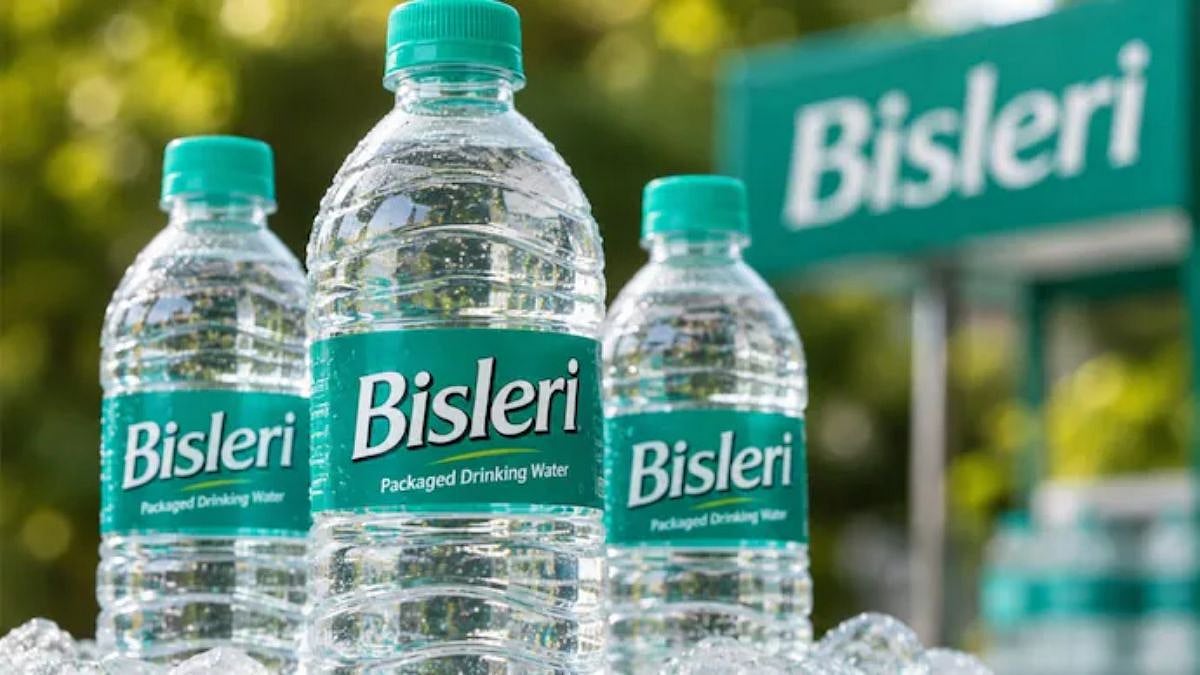
Bisleri Seeks Review Of Conflicting Water Quality Test Results
Responding to the regulatory action, Bisleri confirmed that it had recalled the affected batch in accordance with FSSAI's directions.
The company said it separately commissioned testing of samples from the same batch at two independent laboratories recognised by FSSAI.
While one laboratory reportedly confirmed compliance with all applicable food safety standards, including those governing coliform bacteria, the other also reported compliance with prescribed coliform bacteria standards.
Bisleri called for a comprehensive examination of sampling procedures, testing methodologies, laboratory findings and other factors potentially responsible for the conflicting results.
The company maintained that authorities should assess the matter using uniform industry standards and reiterated its commitment to cooperating with the regulator.
FSSAI Intensifies Packaged Drinking Water Safety Surveillance
The West Bengal development follows similar regulatory action against Bisleri over a sample collected from its Goa manufacturing facility.
FSSAI had classified that sample as unsafe under the Food Safety and Standards Act, 2006, after finding non-compliance with prescribed bromate limits.
Following Bisleri's appeal, a referral laboratory also declared the sample unsafe after detecting polynuclear aromatic hydrocarbons (PAHs), according to the regulator.
Meanwhile, FSSAI CEO Rajit Punhani recently said nationwide sampling of packaged drinking water was underway, with laboratory testing expected to conclude within one to two months.
The regulator has directed state food commissioners and regional directors to strengthen surveillance, inspections and sampling of packaged drinking water and mineral water.
Punhani emphasised that enforcement measures aimed to ensure food safety compliance without creating unnecessary panic among consumers.

