When conversations turn to investing in India, they usually begin with familiar choices, stocks, mutual funds, fixed deposits or gold. But beyond these traditional avenues lies a rapidly expanding asset class that is increasingly attracting sophisticated investors: Alternative Investment Funds (AIFs).
These funds invest in everything from real estate and infrastructure to private equity, venture capital and distressed assets. Yet, despite managing billions of dollars, they remain one of the least understood parts of India's financial ecosystem.
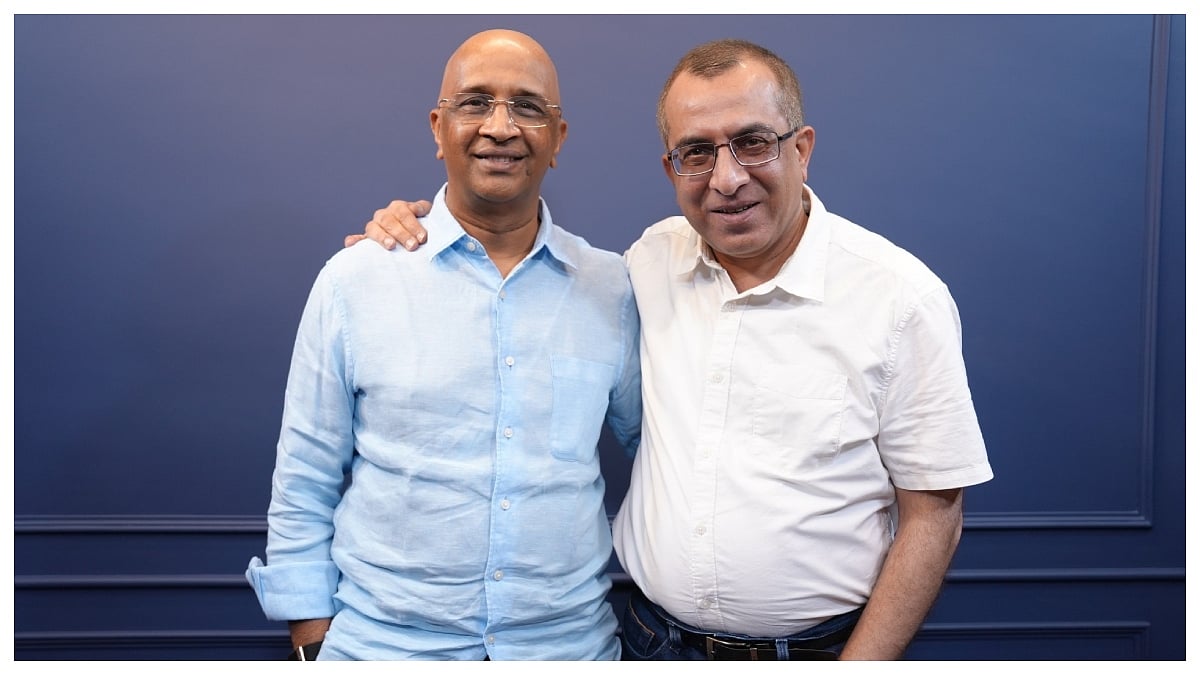
In a recent episode of Simple Hai!, host Vivek Law spoke with Srini Sriniwasan, Managing Director, Kotak Alternate Asset Management Ltd, about how alternative investments work, why they have grown rapidly over the past two decades, and what they reveal about the future of India's economy. While the discussion covered entrepreneurship, artificial intelligence and global capital flows, one theme consistently emerged: long-term wealth is created by owning productive assets, not by chasing short-term trends.
Why Alternative Investments Aren't For Everyone?
Unlike stocks or mutual funds that investors can buy or sell with a few clicks, alternative investments require patience, specialist knowledge and a much higher tolerance for risk.
According to Sriniwasan, that is precisely why they are called "alternative".
These investments are often illiquid, take years to generate returns and involve assets that cannot be easily valued every day. Recognising this complexity, Indian regulations require investors to commit a minimum of ₹1 crore to most Alternative Investment Funds.
The objective, Sriniwasan explained, is simple: higher returns may be possible, but they come with significantly higher risks.
Why India Needs Indians To Own More Infrastructure?
One of Sriniwasan's strongest arguments centred on India's infrastructure revolution.
Over the past decade, India has invested heavily in highways, renewable energy, logistics and other long-term infrastructure assets. While building these projects involves significant risk, they begin generating stable cash flows once they become operational.
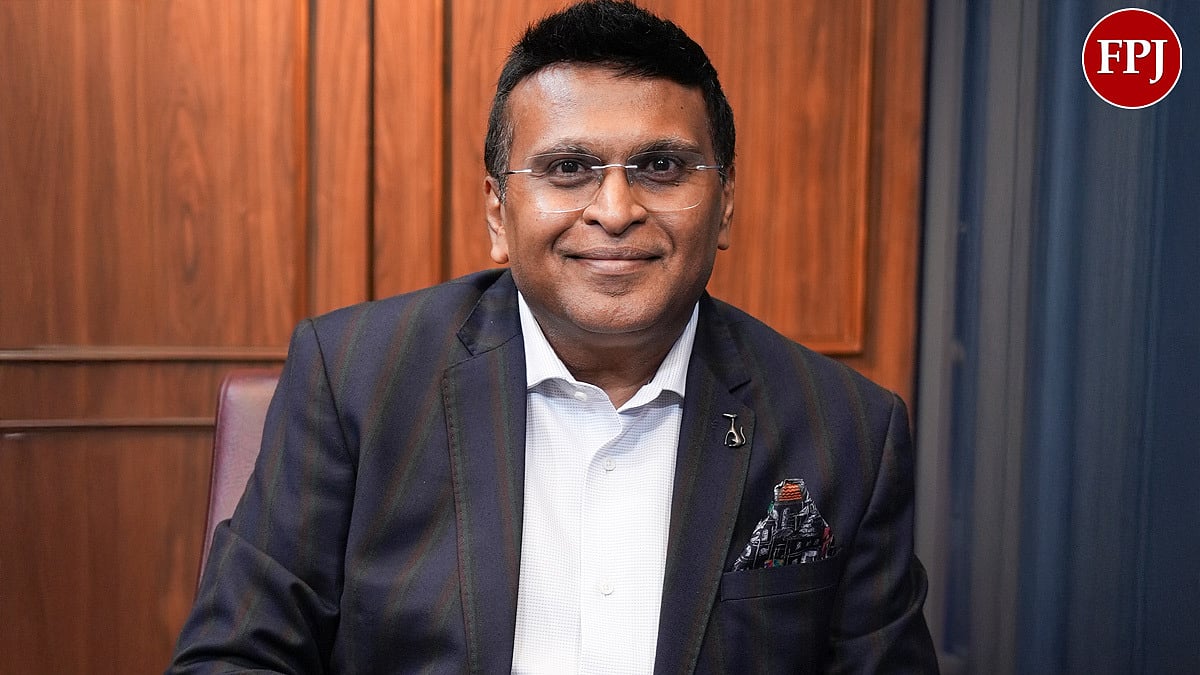
The bigger question, Sriniwasan believes, is who should own these assets.
Rather than allowing a large share of these long-term income-generating assets to be owned by overseas investors, he argued that domestic pension funds, insurance companies and Indian institutional investors should participate far more actively.
Doing so would ensure that the returns generated by India's infrastructure ultimately benefit Indian savers and retirees.
The Untapped Power Of Domestic Capital
Despite India's growing savings pool, domestic pension funds and insurance companies allocate only a small proportion of their money to alternative assets.
Sriniwasan sees this as one of India's biggest missed opportunities.
Globally, many of the world's largest alternative asset managers receive substantial capital from pension funds and insurance companies. India, he believes, can gradually build a similar ecosystem by allowing more domestic long-term capital to participate in productive assets.
Such a shift would also reduce dependence on volatile foreign capital while strengthening India's own financial markets.

Entrepreneurs Should Build Value, Not Chase Valuation
India's startup ecosystem has produced hundreds of unicorns, but Sriniwasan cautioned against confusing valuation with value.
According to him, successful entrepreneurs rarely begin their journey by thinking about billion-dollar valuations.
Instead, they identify genuine problems, build products that solve them and execute consistently over long periods.
Ideas matter, Sriniwasan said, but execution matters far more.
For every startup that becomes a household name, many others quietly fail despite having similar ideas. The difference often lies in discipline, adaptability and the ability to build sustainable businesses rather than simply attracting investor attention.
AI Is Powerful, But Investors Should Avoid The Hype
Artificial intelligence dominated another part of the discussion.
While Sriniwasan acknowledged AI's enormous potential, he also reminded viewers that every technological revolution creates periods of excessive optimism.
Drawing comparisons with the internet boom of the late 1990s, he noted that many companies once considered unstoppable eventually disappeared.
For investors, the challenge is separating businesses creating genuine long-term value from those benefiting primarily from market excitement.
Technology changes economies. Hype, however, rarely lasts forever.

India's Biggest Opportunity Lies Beyond Consumer Apps
Looking ahead, Sriniwasan believes India's next generation of wealth creators may emerge from sectors that receive far less public attention.
He highlighted areas such as space technology, defence manufacturing, battery innovation, advanced materials and deep-tech research as industries capable of transforming India's economy over the next decade.
These businesses often require patient capital and involve greater uncertainty, but they also have the potential to build globally competitive companies rooted in Indian innovation.
Building Wealth Is Also About Building The Nation
Perhaps the most powerful takeaway from the conversation was that investing is about far more than generating financial returns.
Capital determines which businesses grow, which technologies are developed and which infrastructure projects become reality.
According to Sriniwasan, India now has an opportunity to ensure that more of its long-term wealth is created and owned by Indians themselves.
Alternative investments may not be suitable for every investor. They demand patience, expertise and an ability to absorb risk.
But as India's economy becomes larger and more sophisticated, Sriniwasan believes they will play an increasingly important role in financing the country's future.
Ultimately, the biggest investment opportunity may not lie in finding the next multibagger stock, but in owning the assets that will help build India's next chapter of economic growth.

