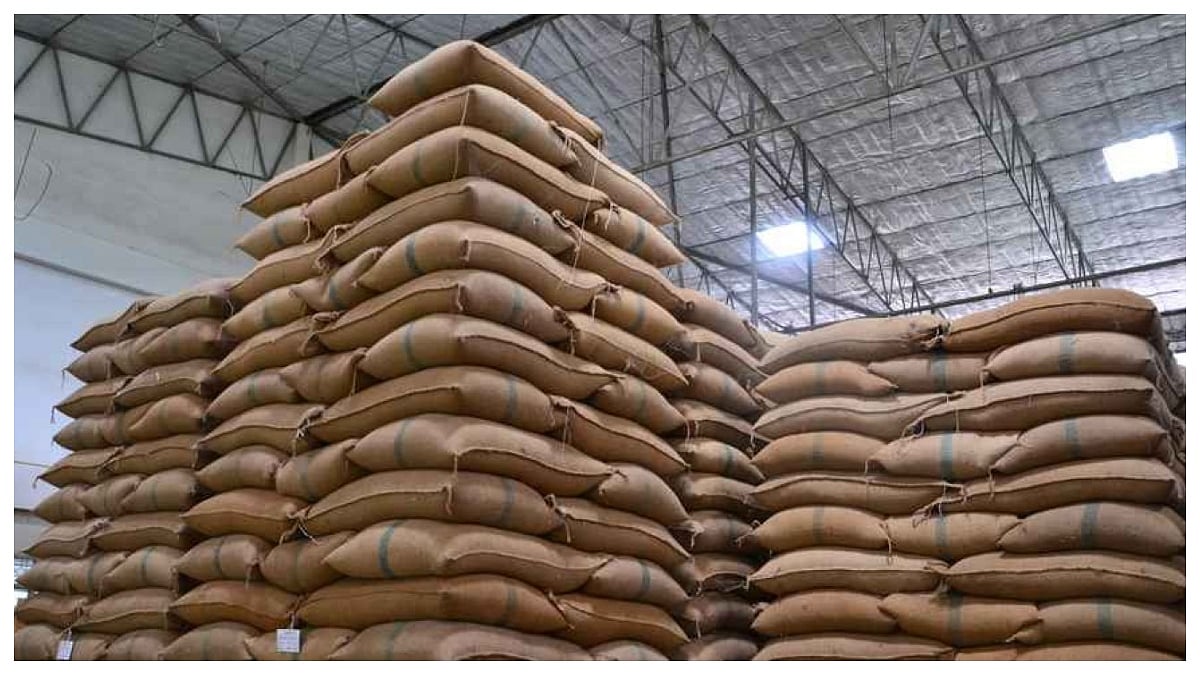
Bangladeshi buyers have placed orders for more than 200,000 tonnes of Indian wheat after New Delhi removed export curbs in August, marking the first significant purchases from India since 2022, according to a report by Bloomberg.
The purchases come amid supply disruptions from the Black Sea region, which have pushed up global grain prices.
Bangladesh imports over 7 million tonnes of wheat annually and had sourced nearly 70% of its requirement from India before export restrictions were imposed in May 2022.
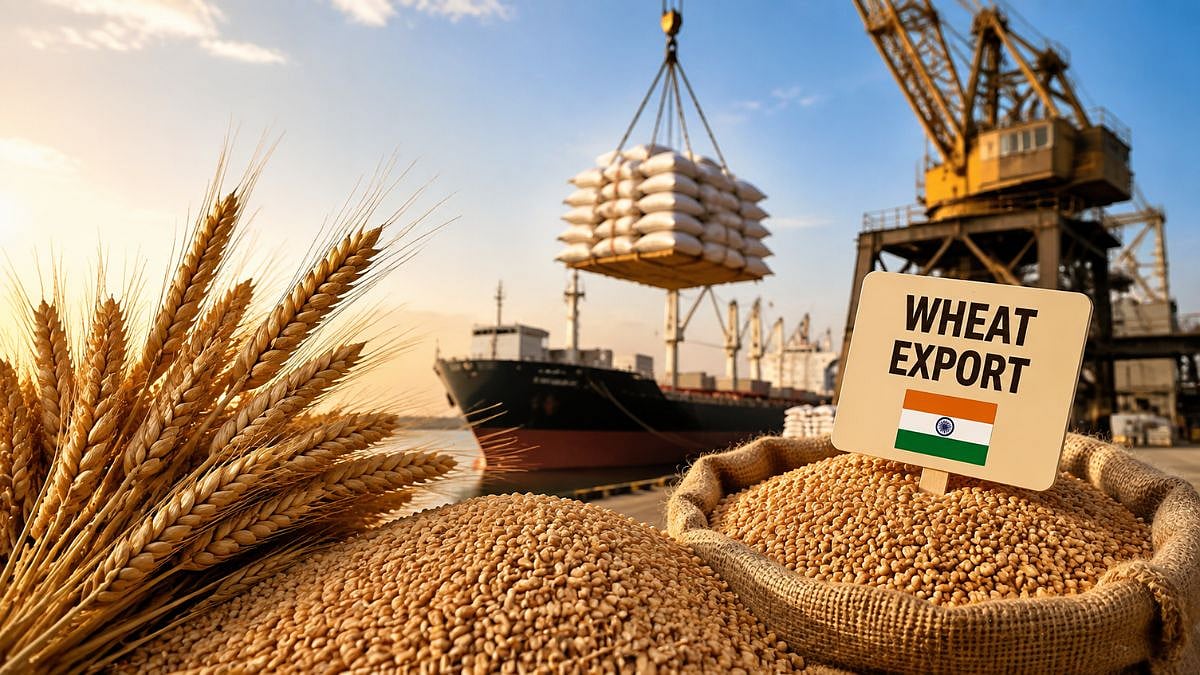
Bangladesh returns to Indian wheat supplies
Following India’s export restrictions, Bangladesh diversified its purchases, importing wheat from countries including Argentina, Canada, Russia and Ukraine. Around 40% of Bangladesh’s wheat imports were sourced from the Black Sea region, according to the report.
Most of the recently booked Indian wheat shipments are expected to reach Bangladesh through rail routes. Sources cited by Bloomberg said delivered prices are likely to remain between $305 and $326 per tonne.
Sri Lankan buyers have also recently purchased around 60,000 tonnes of Indian wheat at nearly $325 per tonne before shipping, the report said.
India had restricted wheat exports in May 2022 due to concerns over domestic availability and rising prices. The government later permitted limited exports, approving 2.5 million tonnes in February 2026 and another 2.5 million tonnes in April.
On August 24, the Directorate General of Foreign Trade moved wheat exports to the “free” category.
Wheat prices remain a concern in Bangladesh
In Bangladesh, refined wheat flour prices increased 17% over the past month, according to data from the state-run Trading Corporation.
Vladimir Zinkovski, head of APAC crops research at S&P Global Energy, told Bloomberg that affordability remains a bigger challenge for Bangladesh than availability. He said elevated wheat prices could encourage consumers to shift towards rice as a more affordable staple.
The renewed trade between India and Bangladesh comes as global grain markets continue to adjust to supply disruptions and changing export policies.

