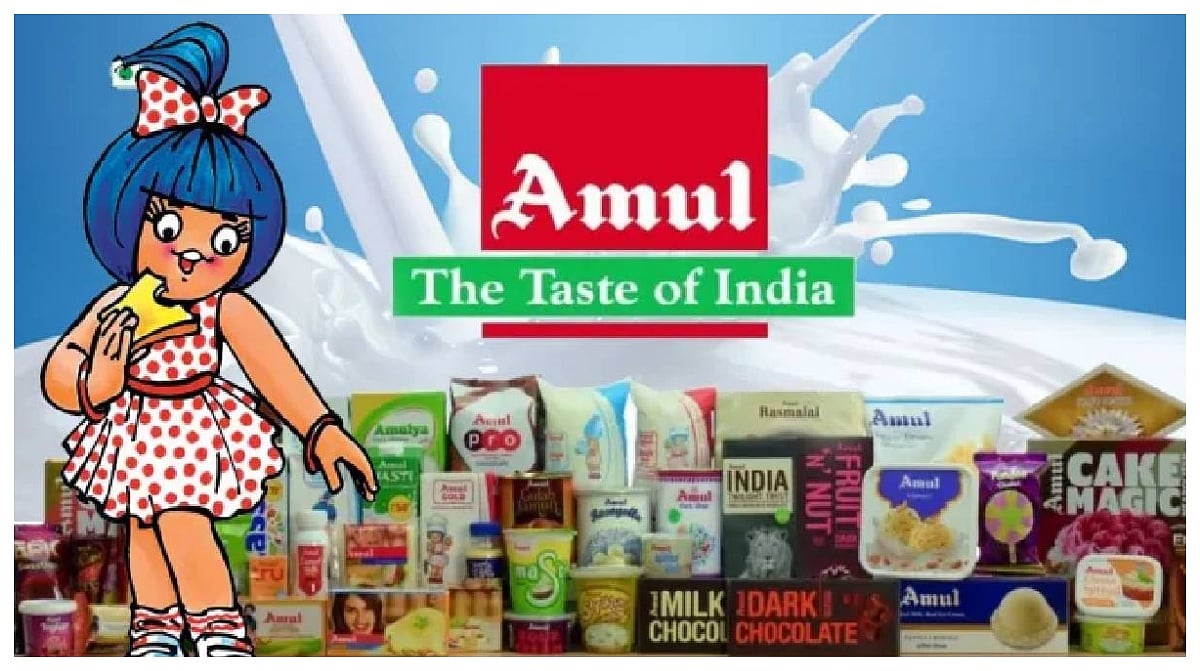
Mumbai: India’s leading dairy brand Amul has achieved a major milestone by crossing Rs 1 lakh crore in total turnover in FY2025-26. The company reported an 11 percent growth compared to the previous financial year, showing strong demand for its products.
Strong Growth in Revenue
According to Gujarat Cooperative Milk Marketing Federation, which markets Amul products, the brand’s total revenue rose from around Rs 90,000 crore in FY2024-25 to over Rs 1 lakh crore in FY2025-26.
The federation’s own turnover also increased by 11.4 percent, reaching Rs 73,450 crore, up from Rs 65,911 crore in the previous year.
What Drove the Growth
The strong performance was supported by several key factors:
- A large portfolio of over 1,200 product variants
- A wide and efficient distribution network across India
- Growing demand for dairy products among consumers
- Ability to quickly adapt to changing consumer preferences
Amul products include milk, butter, cheese, ghee, ice cream, and many more everyday dairy items.
Cooperative Model Behind Success
Amul’s success is built on its strong cooperative structure. The federation works with around 36 lakh dairy farmers across India.
Chairman Ashokbhai Chaudhary said that crossing the Rs 1 lakh crore mark reflects the trust of millions of consumers and the hard work of farmers.
Vice Chairman Gordhanbhai Dhameliya highlighted that this achievement shows the strength of the cooperative model in driving inclusive growth.
Global Presence and Scale
Amul has also expanded its presence globally. It now exports products to more than 50 countries.
The federation collects around 31 million litres of milk every day and sells over 24 billion packs of products annually. This makes GCMMF one of the largest farmer-owned dairy organisations in the world.
Managing Director Jayen Mehta said the company is focusing on using technology and global trade to benefit farmers directly.
Looking Ahead
With rising demand and strong rural support, Amul is expected to continue growing in the coming years, strengthening both farmers’ income and its market position.

