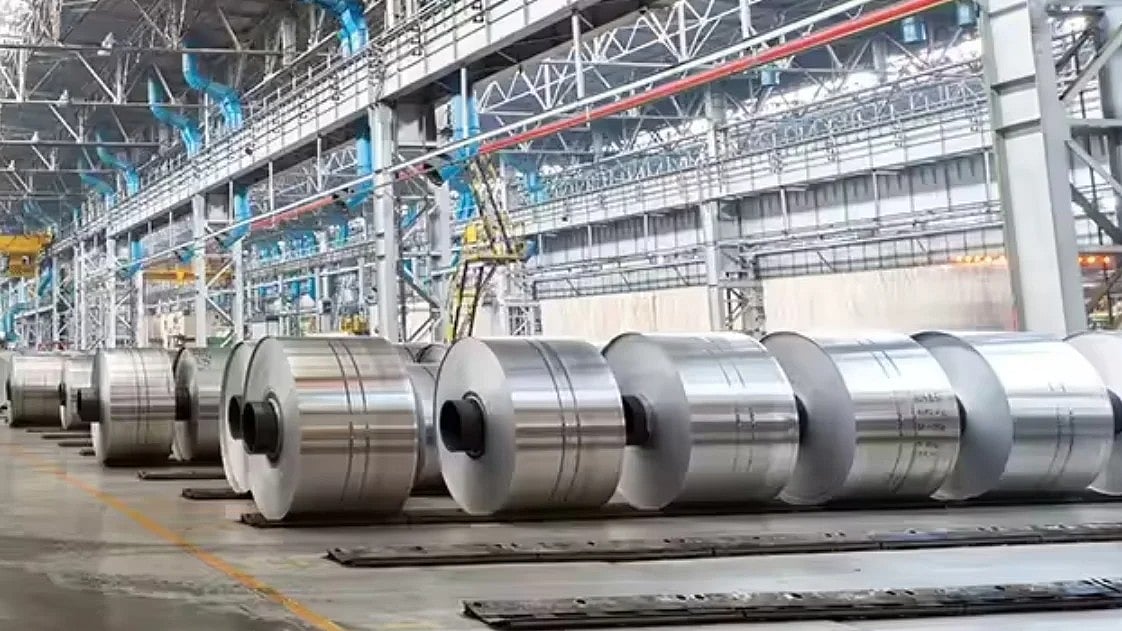
Mumbai: Global attention after the Iran war has mostly focused on rising oil and gas prices. But another important commodity is quietly facing a major shock - aluminium.
The conflict has disrupted shipping through the Strait of Hormuz, one of the world’s most important trade routes. As a result, aluminium prices have surged sharply in global markets.
Aluminium Prices Hit Four-Year High
Benchmark aluminium prices on the London Metal Exchange (LME) recently climbed to about USD 3,544 per metric ton, the highest level since March 2022. Prices later eased slightly but remained near USD 3,394 per ton.
The rally is mainly driven by fears that shipping disruptions could block aluminium supplies from the Gulf region, which has become a key supplier to Western markets.
Strait of Hormuz Disrupts Trade
The Strait of Hormuz is widely known for oil shipments, but it is also crucial for global aluminium trade.
Countries such as Bahrain, Qatar, Saudi Arabia and the United Arab Emirates produce large amounts of aluminium and ship more than 5 million metric tons every year through the strait to customers in Europe and the United States.
However, the conflict has effectively disrupted this shipping route. As a result, aluminium exports are slowing while imports of raw materials needed to produce the metal are also being blocked.

Raw Material Supply Also Hit
Aluminium production depends on a chain of materials. Bauxite is refined into alumina, which is then smelted into aluminium.
Ships carrying these raw materials have already started changing routes. Several vessels carrying about 371,000 metric tons of bauxite have moved away from Gulf destinations, while other ships are heading to Asia instead.
This means Gulf smelters may struggle both to export aluminium and to import the materials needed to keep production running.
Production Shutdowns Begin
The crisis is already affecting production. Qatalum, a large aluminium smelter in Qatar, has started shutting down operations after disruptions in gas supply.
The facility has a production capacity of 648,000 metric tons per year, and a full restart could take six to twelve months once the situation stabilises.
Market Already Under Pressure
Even before the conflict, the aluminium market was tightening. China has limited expansion of its aluminium production, while Western countries have reduced purchases of Russian aluminium due to sanctions.
At the same time, global inventories have been falling, which has further tightened supply.
Analysts say if disruptions continue, aluminium prices could even cross USD 4,000 per ton, close to levels seen during the energy crisis in 2022.
Impact on India
India is less dependent on Gulf aluminium because it has large domestic producers such as Hindalco and Vedanta. However, the country still imports some aluminium alloys used in sectors like automobiles, electrical equipment, construction and packaging.
If global aluminium prices continue to rise, Indian industries may face higher production costs. On the other hand, Indian producers could benefit from stronger export demand if Gulf supplies remain disrupted.

