
Mumbai: India has just witnessed one of the biggest IPO cycles in its history, with companies collecting more than Rs 90,000 crore through 61 IPOs in the last three months. But despite this huge fundraising wave, the performance on listing days has been disappointing.
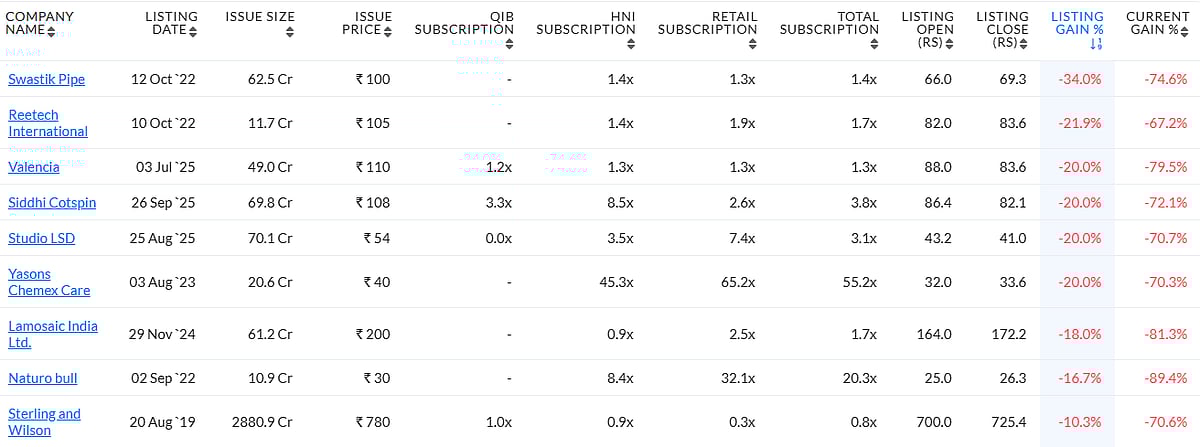
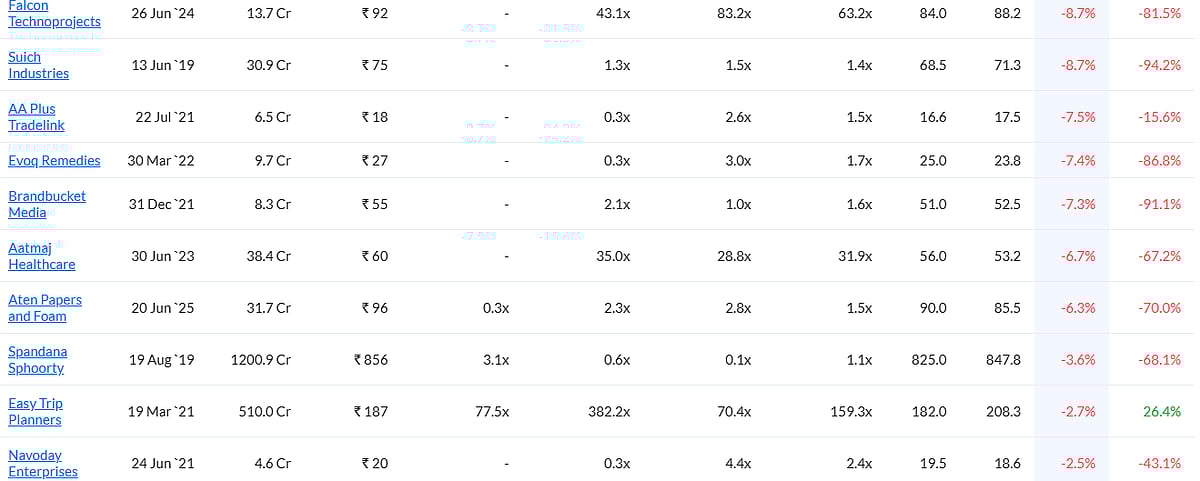
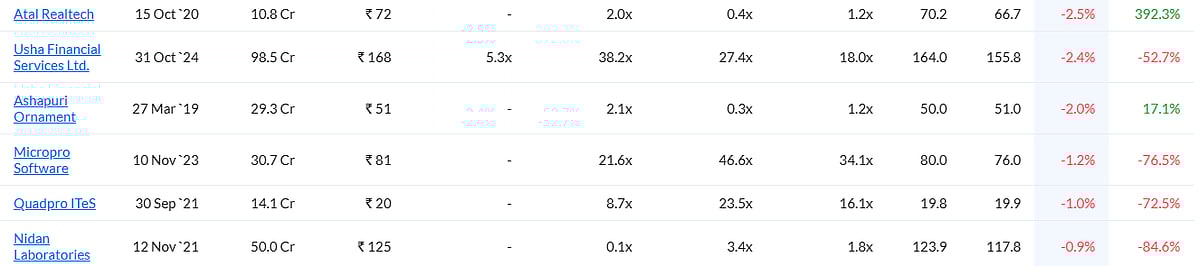
Trendlyne data shows that 44 IPOs gave less than 10 percent gains, and 19 delivered flat or even negative returns. Close to half of the newly listed companies now trade below their issue price.
Strong Pipeline, Mixed Performance
Between August and November, companies together raised over Rs 1.03 lakh crore. Big names like Tata Capital, Lenskart, Groww, LG Electronics India and Tenneco Clean Air helped push the momentum. The IPOs came from a wide mix of sectors—from finance and engineering to chemicals, consumer brands and new-age platforms.

Still, the average gain from issue price to today is only around 11 percent. Out of 61 listings, 26 stocks are in the red, while 35 remain above their issue price. Analysts say the market mood has changed—companies can raise money, but investors no longer reward every IPO with high first-day spikes.
Retail-Favourite IPOs Hit Hard
The biggest disappointment came from the most heavily subscribed IPOs, especially those crowded by retail investors. Dev Accelerator, subscribed 164 times, now trades 30 percent lower. VMS TMT has fallen 37 percent, while Solarworld Energy Solutions has dropped more than 14 percent. Other retail-packed issues like Regaal Resources and Highway Infrastructure are also in the negative.

In contrast, companies with strong finances or clear earnings growth did better. Aditya Infotech gained 149 percent, Anand Rathi Share Stock jumped over 80 percent, and Epack Prefab climbed 58 percent. But well-known tech names like Lenskart, Pine Labs, Physicswallah and Groww also posted modest but steady gains.
The last three months show one clear trend: investors are becoming more selective, and only strong companies will continue to win long-term market support.
Disclaimer: The views and analysis in this article are for informational purposes only. They do not represent investment advice, and The Free Press Journal is not responsible for financial decisions.

