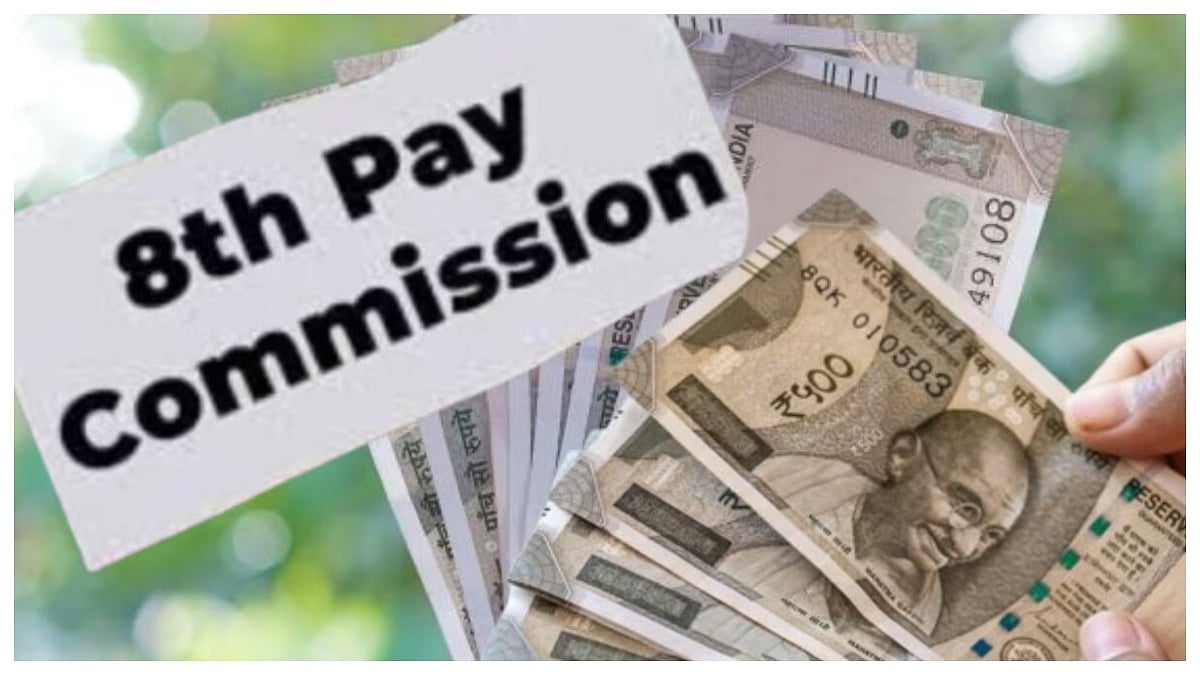
New Delhi: A major salary revision could be on the horizon for central government employees, as staff representatives push for higher pay, better benefits, and a simpler system under the upcoming 8th Pay Commission.
Minimum Pay Hike Proposed
The NCJCM has recommended a minimum basic salary of Rs 69,000 per month. This figure is based on rising inflation, retail prices, and the cost of supporting a family of five. The goal is to ensure employees can meet essential living expenses comfortably.
Fitment Factor and Increment Boost
A key demand is a uniform fitment factor of 3.83, which will be used to revise both salaries and pensions. In addition, the annual increment rate is proposed to be increased from 3 percent to 6 percent, helping employees see faster income growth over time.
Simplifying Pay Structure
The proposal also focuses on reducing complexity in the pay system. Several pay levels may be merged-for example, Levels 2 and 3 into Level 3, and Levels 9 and 10 into Level 10. A one-time upgrade has also been suggested for Level 5 employees. A simplified pay matrix up to Level 13 is expected to make administration easier.
Linking Wages to Real Life Costs
The NCJCM has suggested a nutrition-based wage model using standards from ICMR. It includes a daily requirement of 3,490 calories and accounts for a balanced diet. The proposal also breaks down expenses—7.5 percent for housing, 20 percent for utilities, and 25 percent each for skill development and lifestyle needs.
Big Reform Ahead
These recommendations aim to modernise the pay system by linking salaries with real expenses and inflation. If accepted, this could become one of the biggest salary reforms for government employees in recent years.
In simple terms, the proposal is about giving employees better pay, clearer structures, and a salary system that matches today’s cost of living.
