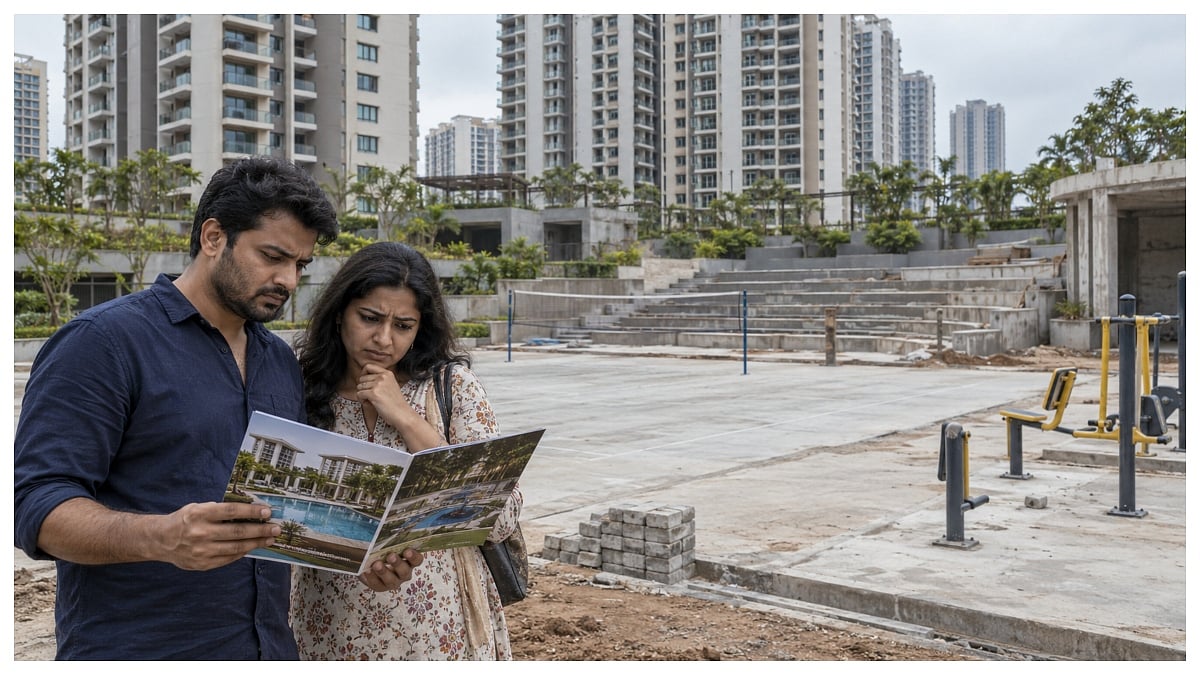
Bengaluru: Four Bengaluru homebuyers have been awarded Rs 10 lakh in compensation after their builder allegedly failed to provide several facilities promised while selling the flats.
Each buyer had paid Rs 2.08 crore for a flat in a housing complex located in Jala Hobli, North Bengaluru. The sale deeds were signed in 2022.
However, the buyers later discovered that important facilities shown in the project documents had not been developed, according to The Economic Times.
Promised Amenities Were Missing
The four residents of R T Nagar approached the Karnataka Real Estate Regulatory Authority after failing to get the promised amenities.
Their complaint said the project did not have an open gym, an open amphitheatre and a badminton court, despite these facilities being showcased during the sale.
The promises reportedly appeared in the project brochure, allotment letters and agreements given to the buyers.
RERA Flags Misrepresentation
In its September 4, 2026 order, Karnataka RERA said the builder had presented buyers with “colourful dreams” by highlighting the proposed facilities.
The authority observed that failure to provide the amenities amounted to misrepresentation, even if the omission was not intentional.
It consequently ordered the builder to pay Rs 10 lakh as compensation to the four homebuyers within 60 days. Interest will apply if the amount is not paid within the deadline.

RERA also noted other concerns, including the absence of a compound wall in certain areas, a borewell constructed in a private area and poor maintenance of the sewage and water treatment plants.
How Can Buyers Complain?
Homebuyers facing similar problems can register a complaint on their state RERA portal. They must submit project and developer details, explain the grievance and upload supporting documents.
After receiving the prescribed fee, RERA can issue a notice and hold hearings.
Authorities may order compensation, impose penalties or direct builders to correct misleading advertisements. Serious violations can result in suspension of a project’s registration.
Buyers should preserve brochures, agreements, allotment letters, emails and other promotional material.
These documents can help establish whether promised amenities or claims influenced their purchase decision before the authority during proceedings.

