By Sameer Sankhe
A leading Indian conglomerate launched a super-app with everything digital transformation promises: AI-powered recommendations, unified customer data, seamless cross-selling across brands. The marketing team had dashboards showing real-time analytics. The tech stack was impressive. Yet, they failed to attract users. Downloads surged till the marketing money flowed, but they could never retain customers.
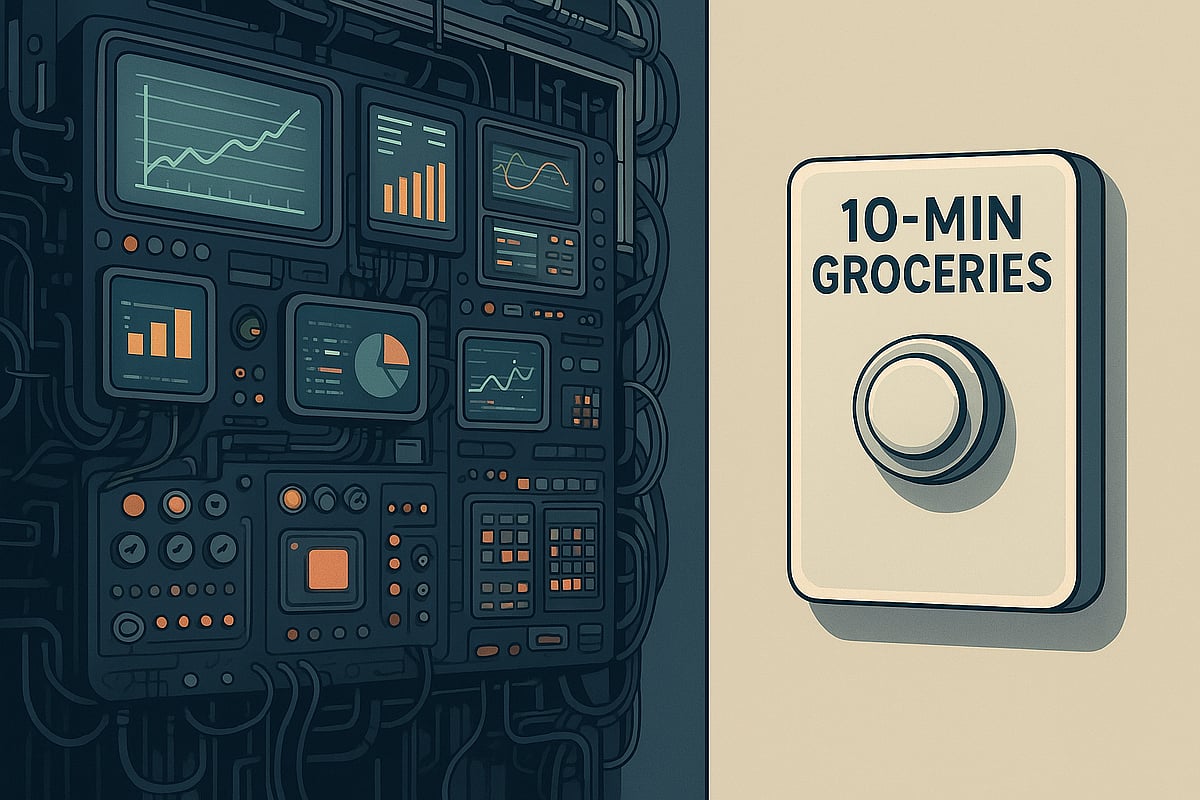
Around the same time, Zepto launched with a far simpler proposition: groceries at your doorstep in 10 minutes. No elaborate martech stack. No complex customer data platform. Just one promise, delivered flawlessly. Today, Zepto enjoys strong customer adoption with over 30 million monthly active users — growing almost entirely through word-of-mouth.
For marketing and branding professionals navigating digital transformation, this contrast reveals a crucial truth: technology amplifies what you already have. If you haven't solved a genuine customer pain point, all the AI in the world won't save you.
The Transformation Trap
Here's a pattern I've witnessed across my career building AI-powered products: digital transformation initiatives often begin with technology, not customers. Marketing teams get excited about CDP implementations, AI-powered personalisation engines, and omnichannel orchestration platforms. Budgets get approved. Vendors get selected.
Then reality hits. The technology works beautifully — but customers don't care. The super-app had sophisticated systems connecting multiple brands. But it was solving a corporate problem (cross-selling), rather than a customer problem. Few people wake up thinking, "If only I could book a hotel and order jewellery without switching apps!"
Digital transformation for marketers must start with a different question: what genuine pain point are we solving? Resistance to this approach is often rooted in corporate ego — the belief that our brand is so powerful that customers will adapt to whatever we build. They won't.
AI As An Amplifier
Consider Asian Paints, which was leveraging data-driven insights long before "data" meant anything to most businesses. In 1970, they invested in a supercomputer to track demand patterns across thousands of dealers. But the technology served a genuine customer need: small dealers couldn't afford large inventories. Asian Paints used data to deliver in smaller, frequent batches — up to four times daily. The result? A working-capital cycle of just 8 days versus competitors' 45-105 days.
Technology amplified their customer obsession. It didn't replace it.
The 10xCX Rule
Digital success requires what I call the 10xCX rule — offering an experience 10 times better, faster or cheaper than existing options. Without this dramatic leap, customers won't change habits, no matter how personalised your emails or how sophisticated your customer journey mapping.
Before Zerodha, trading stocks in India felt rigged against retail investors — high fees, mountains of paperwork, confusing platforms. Nithin Kamath didn't just improve the experience marginally. He eliminated brokerage fees on delivery trades, built an intuitive interface, and created free educational resources. The transformation was so complete that customers became evangelists. Zerodha grew to become India's largest brokerage, spending almost nothing on advertising.
Design For Eleven Stars
Airbnb's founders developed a technique every marketer should steal: mapping experiences from one star to eleven stars. One star — the host is missing, you can't get in. Five stars — the host opens the door, lets you in. Nice, but not remarkable. Eleven stars? Elon Musk greets you at the airport and takes you to space. By imagining the extreme, you discover the sweet spot between "it worked" and "I have to tell everyone."
The Taj Hotels embodied this philosophy long before it was fashionable. During the 26/11 Mumbai attacks, employees chose to stay behind to protect guests — some losing their lives. This wasn't a marketing stunt. It was decades of building a culture where "Atithi Devo Bhava" (Guest is God) wasn't a slogan but a sacred duty. That culture created brand equity no advertising budget could ever buy.
The New Brief For Digital Transformation
For marketing leaders driving digital transformation, the lesson is clear: start with customer pain, not technology capabilities. Before selecting your CDP vendor, ask: what 10xCX are we enabling? Before implementing AI personalisation, ask: do we genuinely understand what makes customers feel loved?
The brands winning in India's digital economy prove this daily. DMart barely advertises yet commands fierce loyalty through consistently lower prices. Rameshwaram Café in Bengaluru generates INR 50 crore annually from just four outlets — no ads, just fresh dosas that make customers queue willingly and post on Instagram unprompted. Technology should enhance human connection, not replace it.
In a world where everyone has a megaphone, the brands that win aren't those that shout loudest with the fanciest technology. They're the ones that give customers something worth shouting about. That's the real digital transformation.
(The author is the Chief Digital Officer at Genesys International Corporation and author of ‘Make Them Love It!’ - an AI-driven digital transformation guide.)

