IKEA is betting big on a country at an inflection point. As rising middle and upper-middle-income households navigate compact living spaces and evolving lifestyle needs, the Swedish home furnishings giant sees an opportunity to reshape how India lives at home.
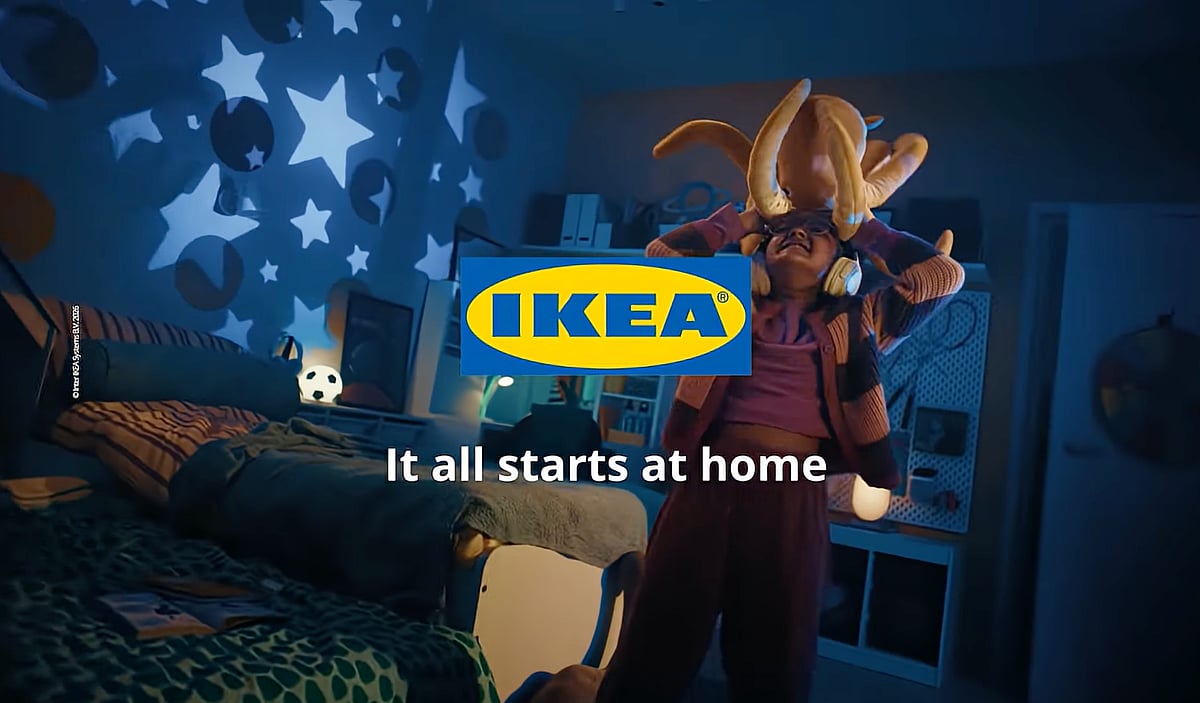
With multipurpose furniture, space-smart designs, aesthetic sensibilities and accessible pricing, IKEA is positioning itself not just as a retailer, but as a partner in everyday living. Its refreshed campaign, ‘It All Starts At Home’, reflects a deeper cultural shift — from being content with the status quo to reimagining homes as dynamic spaces for work, learning, creativity and connection.
Jayendra Gupta, Country Acting Marketing Manager & Integrated Media Manager, IKEA India, shares insights into the brand’s expansion strategy, evolving consumer mindset, and the thinking behind its renewed positioning.
Edited excerpts…
What are some consumer insights behind IKEA’s aggressive expansion plans in India?
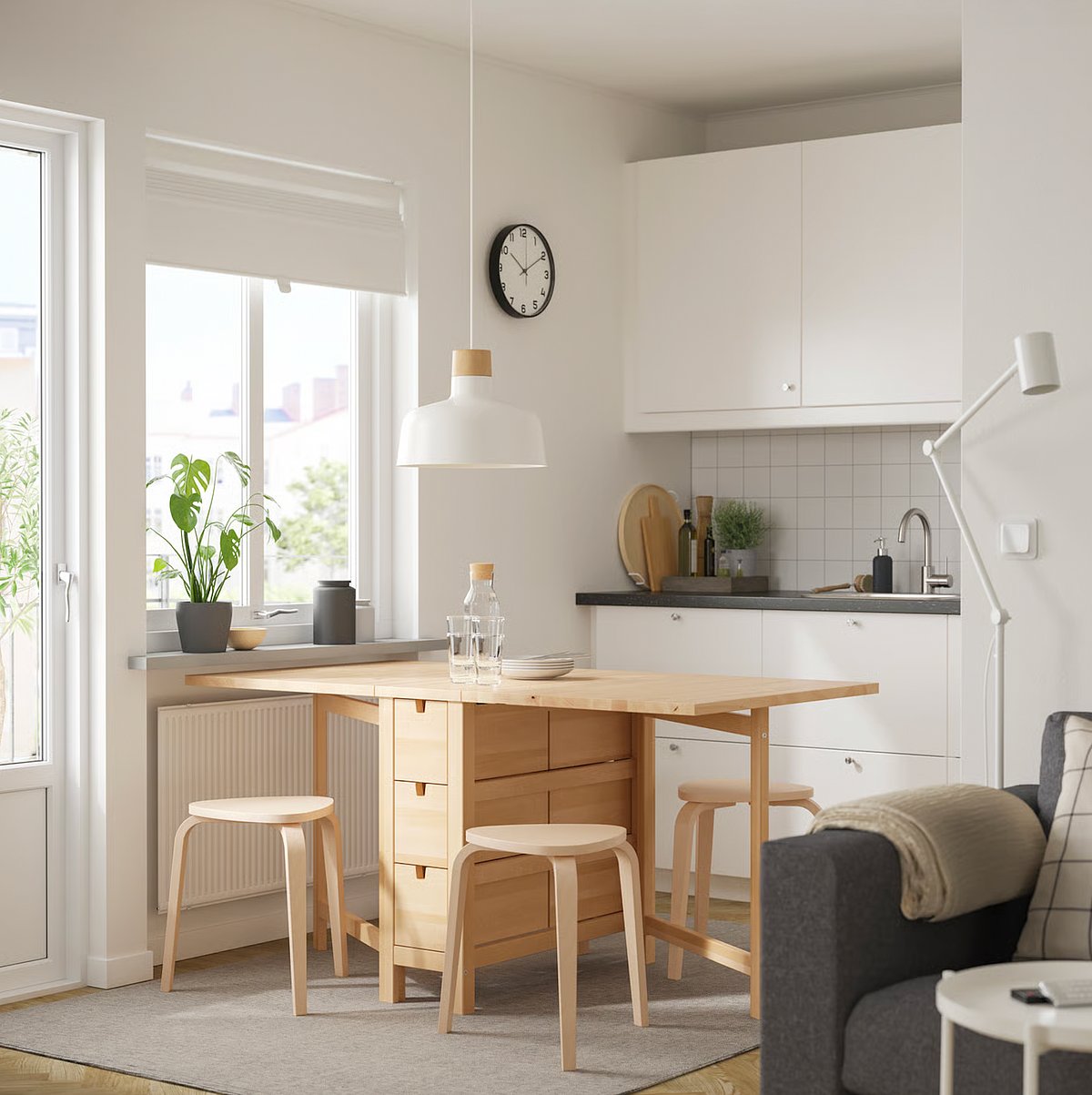
India is at an inflection point, with the economy — especially the middle-income segment — expanding rapidly. These middle- and upper-middle-income groups often find themselves living in compact homes. They are also looking for their homes, rooms, and furniture to do far more than they traditionally did. IKEA has the expertise and solutions to respond to these needs — particularly around compact living, multipurpose furniture, and smart home furnishings.
What are some aspects of the classic IKEA store experience that the brand won’t do away with in small-format stores?
The big stores — or the blue boxes — will continue to remain the full-experience destinations where customers get every kind of inspiration. Smaller-format stores are being introduced in multiple cities to make IKEA more accessible.
Our aim is always to provide inspiration rooted in how people live in that specific geography. Of course, in a smaller store, you cannot have as many room sets or layouts. So the selection of room sets and products on display changes from the bigger stores to the smaller ones. However, at every small-format store, customers can access and buy the full range. When people come to the store, they find inspiration — and that’s where the magic happens.
How is India adapting to IKEA’s DIY product assembly culture?
Our larger furniture comes in flat packs with clear instructions on how to assemble each piece. However, we understand that DIY culture is not yet hardwired in India. So we also offer assembly services for large and mid-sized furniture.
We see many customers opting for these services, but we also see a growing number evolving and confidently assembling their own furniture using the DIY manuals.
How is the brand balancing traditional and new-age media? Which platforms are delivering the maximum ROI?
We understand that traditional media remains highly relevant in India. It is effective for reaching large audiences and building widespread awareness. At the same time, we recognise the important role new-age media — particularly creators — plays for us. They bring advocacy and trust to our communication and demonstrate real-life use cases of our solutions to their followers.
Most recently, we grabbed attention through a collaboration with a creator. IKEA product names can be tongue-twisters, and we poked a little fun at that. The content was highly engaging — I know people who were watching it on loop.
Why the unique decision not to translate product names?
This is something that is not going to change. We are proud of our product names. Once a product is designed, its name is linked to the purpose it serves — and it is in Swedish. These names will remain unchanged, as they keep us connected to our Swedish heritage, which we are very proud of.
Finally, tell us a little about the refreshed brand positioning.
As Indians, we love our homes. But we have traditionally been very comfortable with the status quo, which has slowed the category’s growth. However, that is changing. More and more people now recognise the importance of the home.
Homes are no longer just shelters to return to after work or school. They are classrooms. They are creative studios. They are spaces where people experiment with their passions. Homes are playing multiple roles.
We have embraced this evolution in the relationship between people and their homes, and that is reflected in our positioning. We beautifully express it through ‘It All Starts At Home’. People’s dreams — big or small — often begin at home. And IKEA is an enabler in helping those dreams come true.

