By Rutu Mody Kamdar
There is a particular quality to the way we hold certain memories. The grainy, incidental ones. The taste of raw mango with salt on a summer afternoon, the weight of a steel glass in your hand, the specific texture of your grandmother's cotton sari. These memories sit quietly in the back of our minds, rarely summoned, until suddenly they become extraordinarily relevant.
Walk into any upscale café in urban India today, and you'll notice something curious. The menu still features flat whites and cold brews, but increasingly, there's also aam panna, jal jeera, and kokum sherbet. Presented with the same confidence as any other offering. And here's what's more telling: people are ordering them. With the quiet assurance of someone reclaiming something that was always theirs.
This extends far to almost everything. Restaurants are excavating forgotten regional recipes. Coorgi pandi curry, Kashmiri yakhni, and Bhojpuri litti chokha as legitimate culinary expressions. Fashion weeks showcase handloom saris paired with sneakers. Architects are reviving traditional jaali work and courtyards in contemporary homes. Interior designers are bringing back carved wooden furniture, brass vessels, and terracotta. Instagram feeds that once mimicked Scandinavian minimalism now celebrate Tanjore paintings and Madhubani art. What was once dismissed as "ethnic" or quaint is being reframed as sophisticated, desirable, ours.
After decades of enthusiastic participation in globalised culture, we've looked up and realised that the world we embraced is curiously flat. Everywhere looks like everywhere else. Every café has the same Edison bulbs. Every mall feels interchangeable. We have gained the world and somewhere along the way, we've misplaced ourselves.
This is what brands are now tapping into. A nostalgia of cultural correction. When Paper Boat entered the market in 2013, it addressed a gap. Traditional drinks had disappeared because we'd internalised a hierarchy where they simply didn't count. Paper Boat refused that hierarchy, treating aam panna as worthy of the same shelf space as Coke.
The pattern repeats everywhere. Tata Salt is reviving its 41-year-old jingle during the IPL. Axis Bank's Sanskrit password campaign is making heritage functional for digital security. Fabindia positions handlooms as contemporary luxury. These succeed by understanding something profound: globalisation, for all its promises, created a hollow at the centre. It offered identity through consumption but couldn't answer the deeper questions of belonging.
What advertising is learning, slowly, unevenly, is that memory can be a resource for meaning-making in a world that's grown short on meaning.
Here's the critical nuance: consumers instantly distinguish between brands that respect cultural memory and those that exploit it. Adding a tabla beat or sepia filter doesn't work. What works is genuine engagement. Brands that make heritage useful, not just ornamental. That treats culture not as a costume for the festive season but as a living context that shapes how people see themselves.
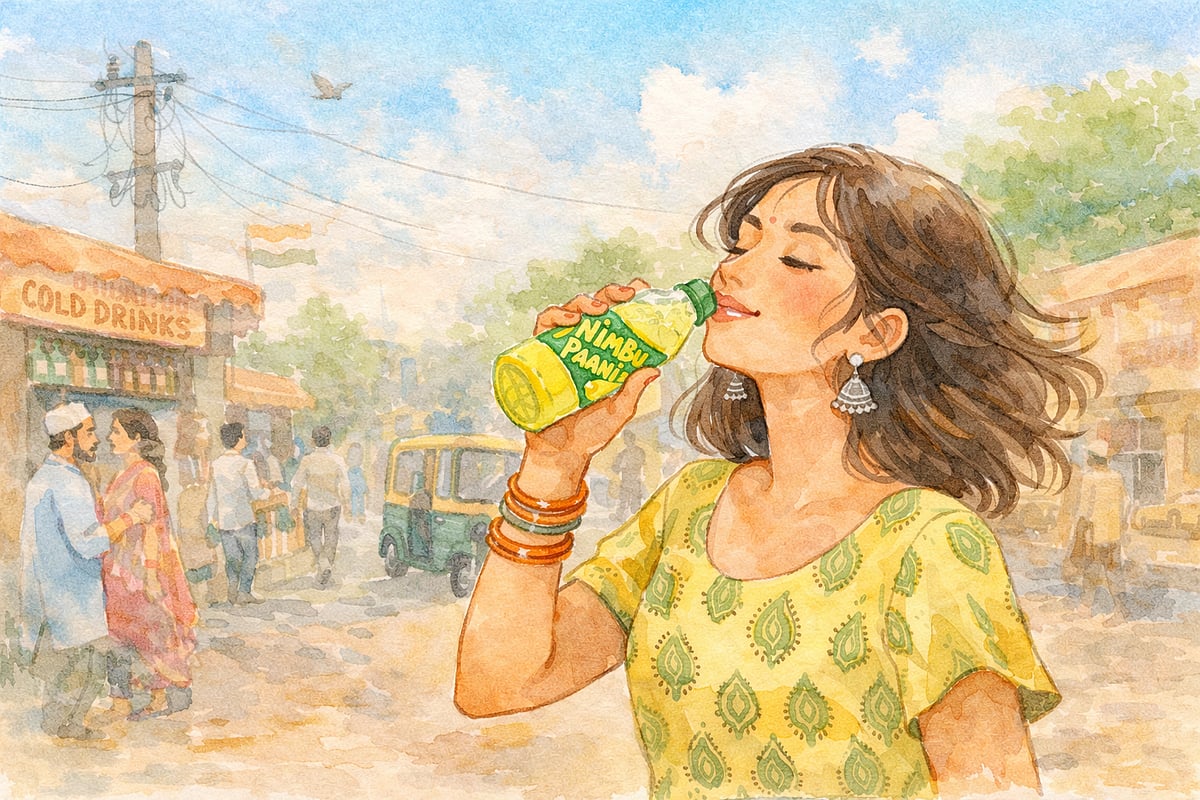
This renegotiation of the terms of modernity. A generation saying: we'll take your progress, but we'd also like our nimbu paani back. Served without apology.
The return to roots is not really about the past. It's about finding ballast in a world that became unnervingly weightless. And brands that understand this, that provide materials for meaning-making rather than just products, become part of how Indians navigate globalisation without losing themselves.
(The author is the Founder of Jigsaw Brand Consultants)

