By Sahil Chopra
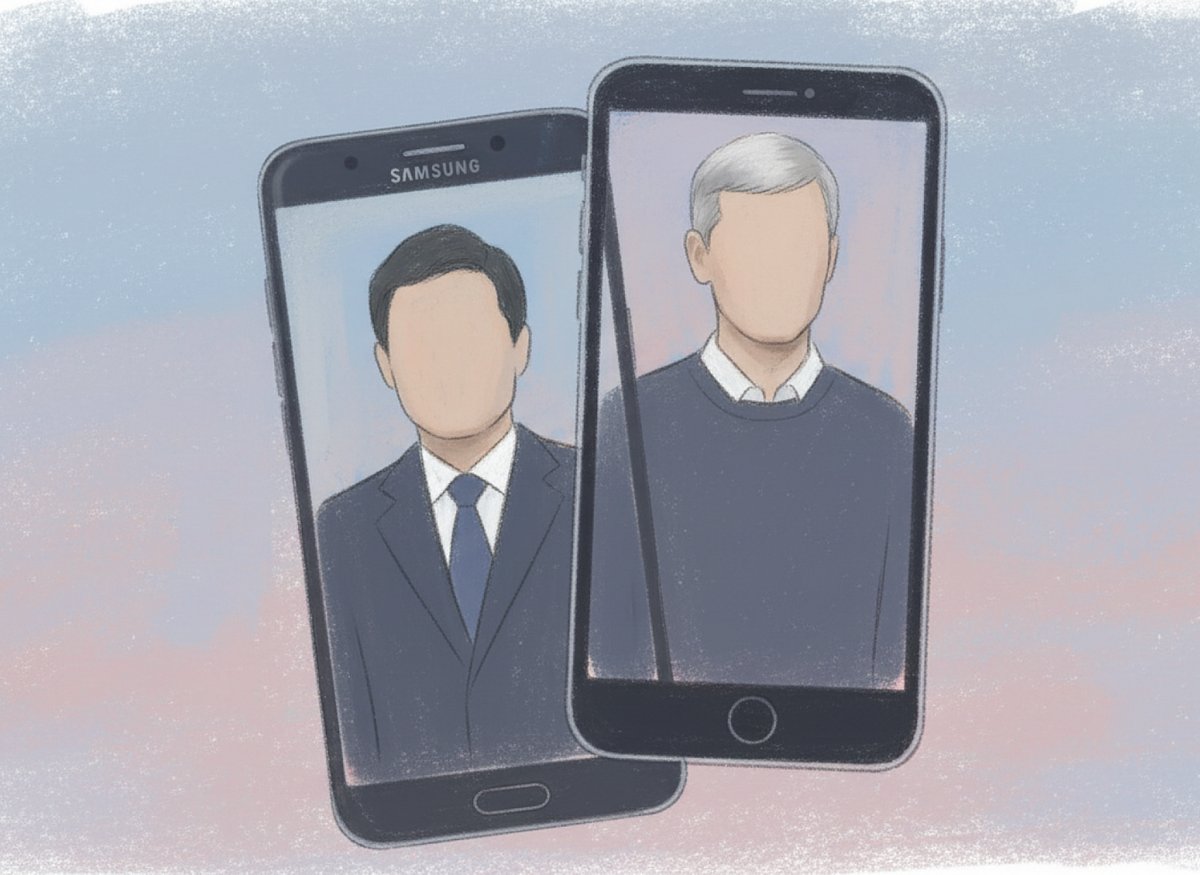
When two of the world's biggest tech giants launch their flagship phones, the marketing battle is almost as interesting as the devices themselves. We recently conducted a deep analysis of the approaches of Samsung and Apple to their recent launches, Samsung with its Galaxy Fold7 and Apple with the iPhone 17, leveraging our in-house influencer marketing tool called InfluenceZ. These results present a story of two very dissimilar approaches with their own merits and losses.
Starting with the obvious, Apple spent a lot more. About 41% of Apple's influencer conversations came from paid partnerships. Think mid-tier and macro influencers, slick unboxings, polished reviews, and the kind of messaging that feels, well, curated. Apple wanted consistency and scale, and they got it.
Samsung, meanwhile, kept things noticeably more organic. Only 15% of its influencer discussions were paid. The rest came from everyday creators, tech fans, and real buyers showing off their new Fold7. It was more authentic, more on "I just bought this, let's talk." And that authenticity worked, especially during peak hype moments. When the Fold7 conversation spiked, it really spiked.
Apple's approach delivered massive reach. Across campaigns, Apple attracted 912 million cumulative views, nearly a billion, with about 0.88 number of views per follower. Samsung had a significantly lower reach; about 44.8 million views, at 0.31 views per follower. To put simply, Apple bought scale. Samsung sparked passion.
This difference also showed up in the kinds of influencers each brand tapped. Samsung leaned heavily on nano and micro creators, 35% and 22%, respectively. These are the folks who feel like friends in your feed, not celebrities. Apple, on the other hand, went big and shiny, a higher share of mid-tier, macro, and even mega creators. It's the difference between my friend told me this phone is cool and a famous tech guy reviewed it.
However, when it came to the manner in which people felt about the launches, Samsung actually scored better. The feeling was positive about Samsung by 84.5 percent, as compared to 78.9 percent on Apple. Samsung got criticism mainly around the durability of the new phone. Apple’s critiques, like always, were more familiar around stock unavailability and the company’s return to aluminum in the iPhone 17 Pro.
Another contrast was in timing. Apple built anticipation, with nearly one-fifth of influencer content dropping even before launch day. Samsung played the momentum game, pushing harder during launch and keeping the buzz alive afterward.
So, who won? It depends on what you care about. Apple won on scale and polished engagement. Samsung won on organic energy, sentiment, and conversation that felt genuinely community led.
But the real lesson here may not be picking a side. The sweet spot for future campaigns will likely land somewhere in between, Apple's strategic reach meets Samsung's authenticity. Because in a world where everyone scrolls fast and forgets even faster, the brands that connect both broadly and genuinely are the ones that stay in the conversation.
Probably the learning for the future campaigns will be found in-between, the strategic coverage of Apple, and the realism of Samsung. Due to the fact that in a world where everybody scrolls and almost everybody forgets what they saw, the brands that remain in the discussion are the ones that connect both broadly and genuinely.
(The author is the Founder and CEO of iCubesWire)

