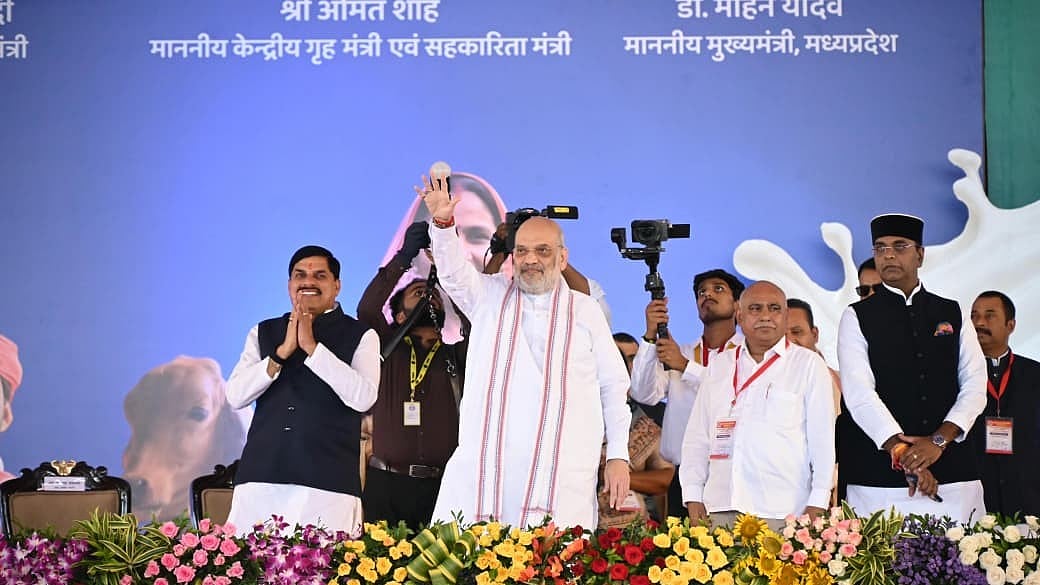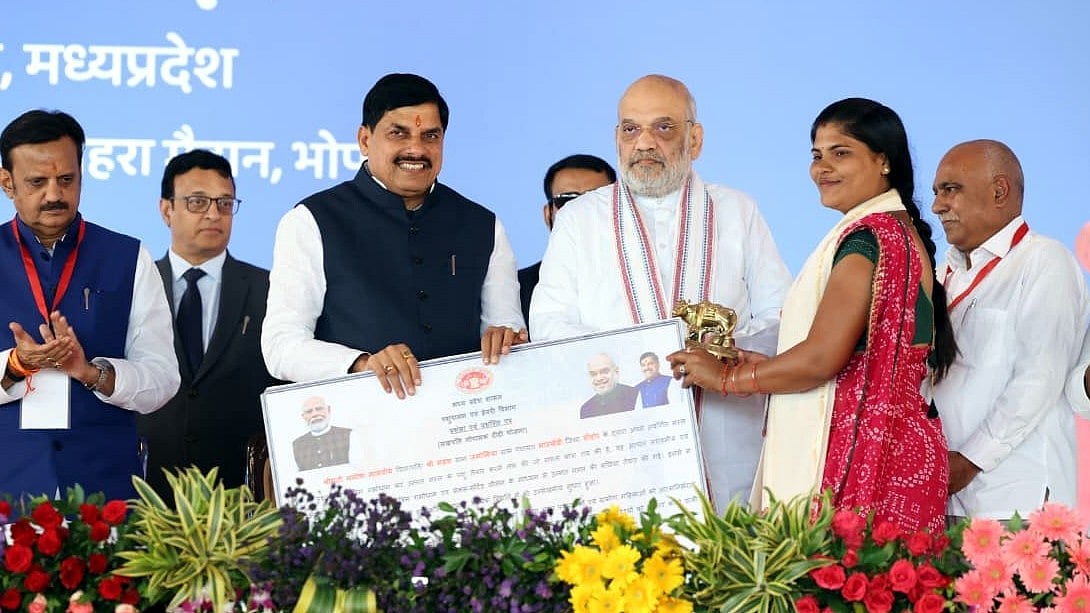
Bhopal (Madhya Pradesh): "We will make Madhya Pradesh drug-free. I have come here to assure every mother that after Dec 31, 2029, there will be no place for drugs in Madhya Pradesh for your sons and daughters.
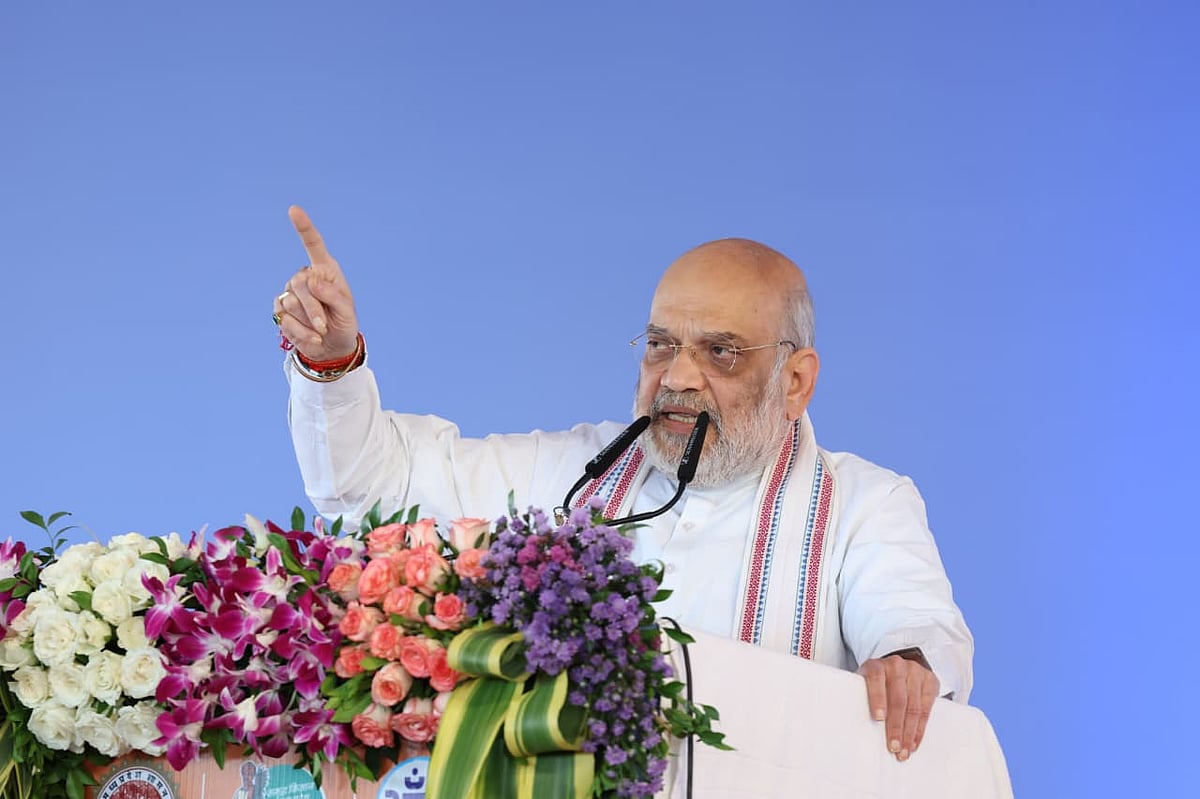
I have come here to put in place a detailed plan to achieve this," said Union Home and Cooperation Minister Amit Shah here on Saturday. Shah was addressing a state-level Gopalak Sammelan.
The announcement from Shah comes amid the Centre's intensified campaign against narcotics, with the Union Home Ministry focusing on dismantling drug networks while strengthening prevention, treatment and rehabilitation measures.
Shah said, "The Congress only spread negativity, demonstrations and did not do any development work. All five BJP-ruled states are top milk producers. Congress has no entry in this list," he said.
He said, "BJP is in power in the five major milk-producing states of Uttar Pradesh, Rajasthan, Madhya Pradesh, Gujarat and Maharashtra. Congress should answer what it did for the welfare of cattle farmers during its rule."
He said five models have been developed for scientific dung collection, reduction of methane emissions and utilisation of nutrients. In the coming days, a model will be developed that will ensure fair prices for cow dung in every village of Madhya Pradesh.
Referring to the large gathering of cattle rearers at the conference, Shah said it was a good sign for the White Revolution 2.0 in Madhya Pradesh.
Target To Produce 50 Lakh Litres of Milk In Three Years: CM
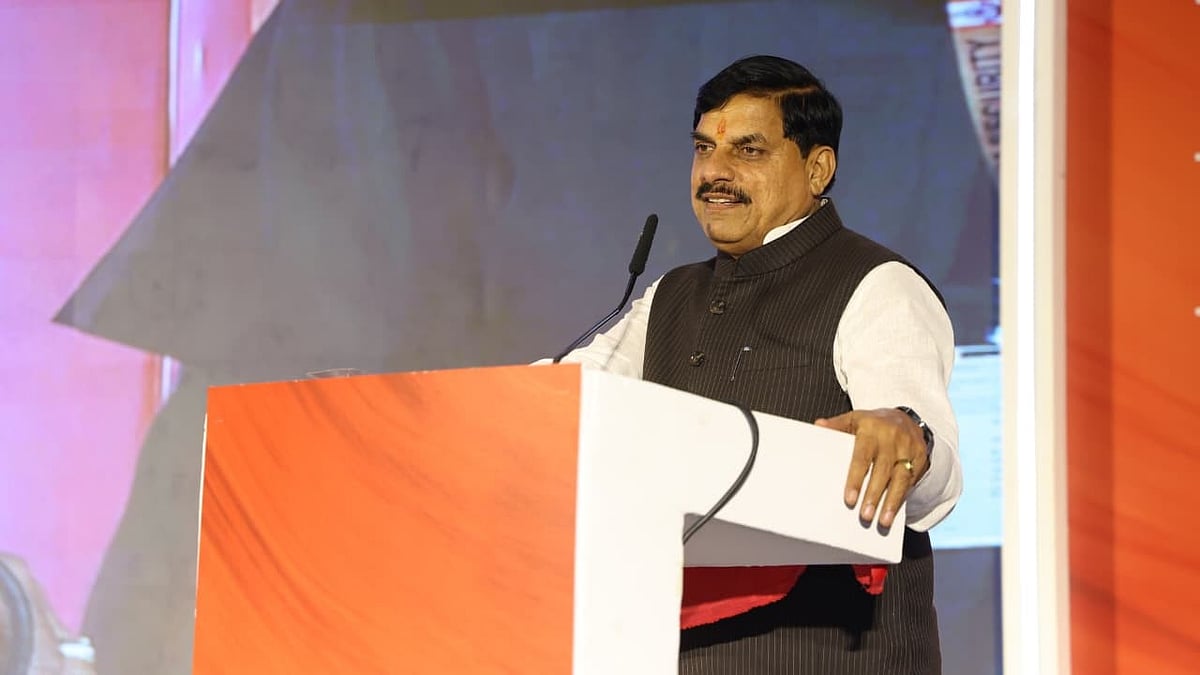
Target To Produce 50 Lakh Litres of Milk In Three Years: CM | Representative image
"We have set a target to produce 50 lakh litres of milk every day in the coming three years. At present, we are producing 12 lakh litres," said Chief Minister Mohan Yadav.
He said that under the Vrindavan Gram Yojna, which is running in 313 blocks, one farmer will get a reward of Rs 1 lakh for increasing milk production, the second runner-up will get Rs 50,000 and the third will get Rs 25,000 every year.
He added that earlier, farmers used to lose land and cowsheds because moneylenders used to give loans at higher interest rates, and not only this, they were paid less in return for milk purchases.