Bhopal (Madhya Pradesh): But Bhopalis say the monsoon maza remains wanting until the potholed roads become an extended part of the lake
The first week of July is over. It is occasionally bucketing down, indicating Bhopal has kept its date with the monsoon. Its residents, however, feel the rain god has deprived them of his blessings. El Niño's impact on the monsoon predicted by the met man initially sparked fear among the residents about the rainfall in the current wet season.
Now, a cool, balmy draught is blowing off the Upper Lake, freshening the mornings and days and dropping the late-night temperatures, varying around 26°C to 28°C.
The sun became fiercer in the last week of June, wilting trees and rendering residents huffing and puffing. They were praying for immediate relief, and then, the clouds began to gather, bringing down temperatures and providing the much-needed relief.
The rainfall in the city has been more than last year's. From June 1 to July 11, 2025, the state capital received nearly 234.4 mm of rainfall, which was the early-monsoon deluge, leading to above-normal rainfall and rendering the lakes, rivers, ponds, and streams overflowing.
Similarly, until July 10 this year, the state capital has experienced between 241 mm and 247 mm of rainfall since the first spell of the monsoon. It indicates an above-normal trend of rainfall. Now, citizens say may it fall as a blessing. The roads have become a curse, but the monsoon has nothing to do with it.
Farmers are happy because they got the initial soak for sowing the Kharif crops. The current weather has freshened the mood of the residents of Bhopal, and the wet spells they have experienced have been abundant. The mood is that they are bracing up for more.
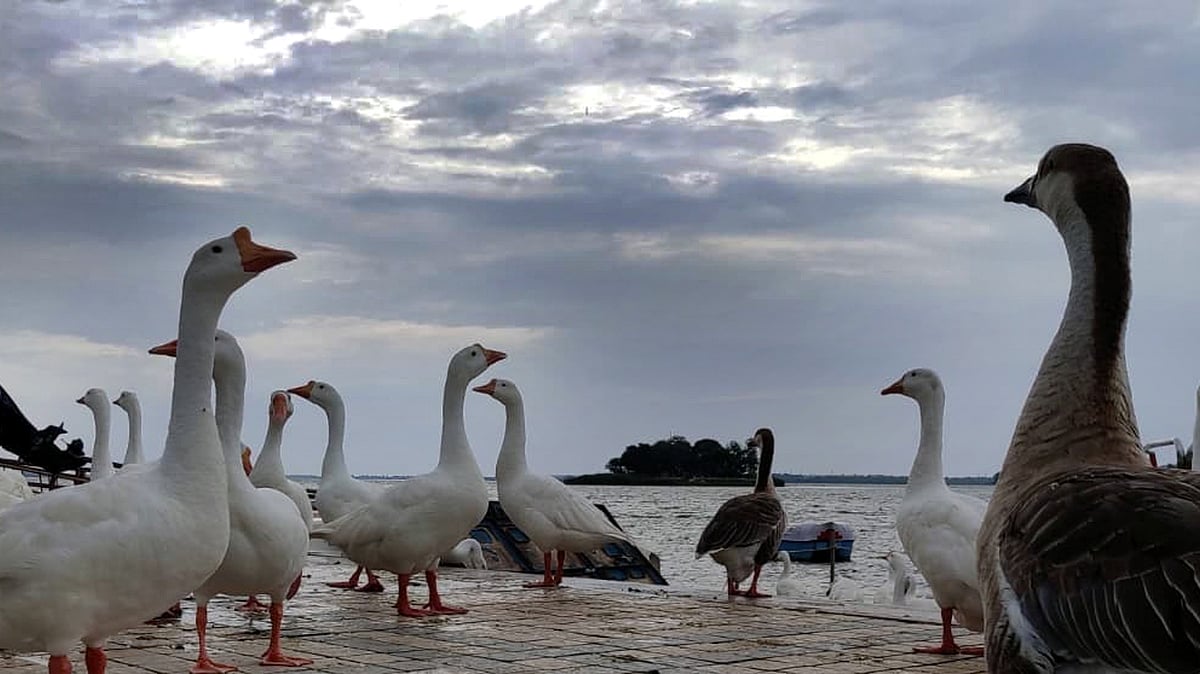
It is lovely weather for ducks, too, who are welcoming each raindrop, spreading their show-white wings on the banks of the Upper Lake.
In June, the conversation over the weather was about the dry season. But July has changed the course of discussion. Many people are unused to Bhopal's climate and to rain in particular. So, discussing it seems daft.
Elsewhere in the country, the monsoon follows more predictable cycles, but it happens otherwise in Bhopal because of the city’s location. Thus, when chummy forecasters use expressions such as 'There will be no rain or a little rain this season,' they may hit a bum note.
The cine-buffs of yesteryears, who watched the super-hit Hindi movie, Shree 420, feel how romantic rain can be! The best romantic Bollywood and Hollywood scenes are in the rain and not in parching heat.
A lack of monsoon stops the heartbeat of the Indian farm sector. The country may have gone digital. But the peasants still depend on monsoon stars for sowing seeds. Rohini Nakshatra, which appears late in May, according to a popular belief, brings the pre-monsoon showers. Adra, on the horizon, late June, heralds the arrival of the monsoon. Similarly, Punarvasu and Pushya, which appear in July, take the rainy season to its acme. This is agricultural astrology, but modern farm technology differs from agricultural astrology.
Bhopal’s tether with the rainy season is a little complicated. Sometimes it rains bricks; it often drizzles, and occasionally, it may spit. It occurs in late September and early October when the monsoon shows signs of departure.
A farmer’s phlegmatic remark better summarises the July rain: “The appearance of Punarvasu and Pushya Nakshatras means it will rain soon.” There is a Bhopali joke — the citizens enjoy the real rainy season when the potholed roads become an extended part of the Upper Lake.
Arup Chakraborty