Bhopal (Madhya Pradesh): December 1, 1926. Late afternoon: A nipping chill began to descend on the dusty roads, from Badosa or Shahzadpura (now Ganj Basoda) to Bhilsa (modern Vidisha), nicking the skin of a farmer travelling alone on a bullock cart. He left his home in Basoda at noon for Bhilsa to settle a land dispute. He wanted to reach the revenue office before the evening, hoping to get a night's shelter at Bhilsa.
But before he could draw up to his destination, the evening fell and the chill intensified. Left with no choice, he decided to spend the night roadside and arranged a bonfire to keep himself and his bullocks warm. Wrapped himself in blankets, he stayed awake before the fire through the night, to start afresh at daybreak.
The ordeal of lodging outside one’s home on a December night a hundred years ago defies all descriptions. In some places, the rich and local rulers set up waystations for travellers, some of whom also became guests of villagers for a night. But difficulties arose when there happened to be no villages around, and one had to spend a winter night in a forest or under a tree with bonfires to depend on.
The common man never maintained a diary to relate their tales those days. The Bhopal State Gazetteer, compiled by Captain C E Luard and Munshi Kudrat Ali in 1908, points to some lodges for night halts. Ordinary people counted on a few roadside shelters.
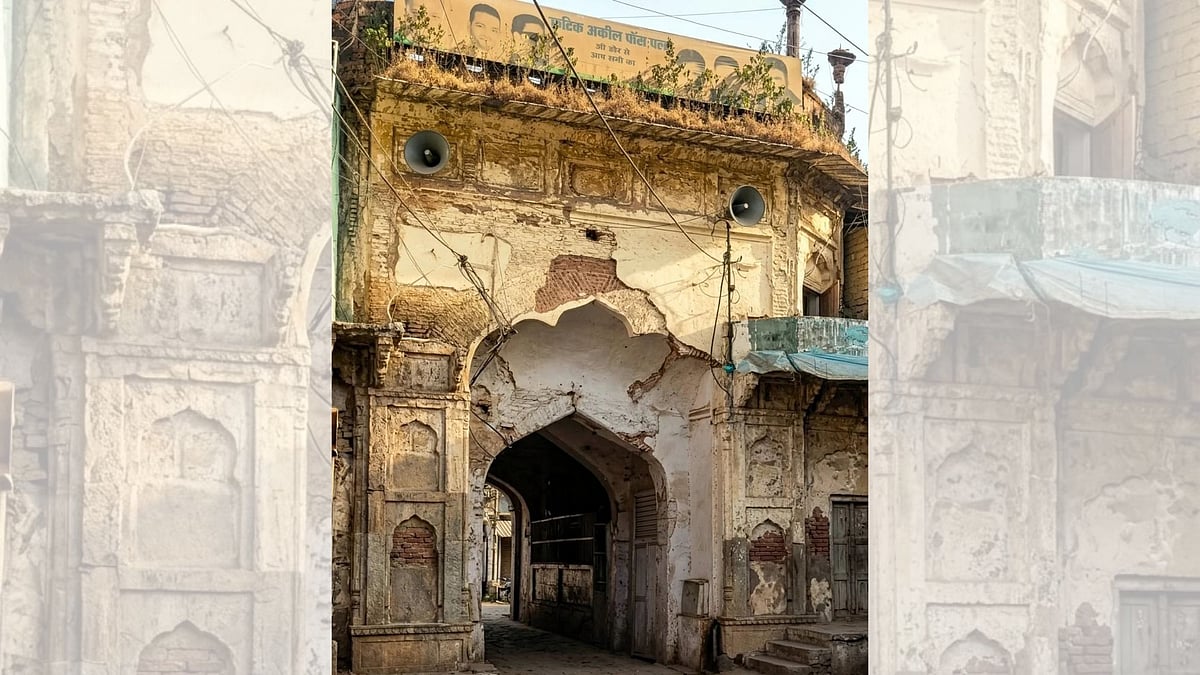
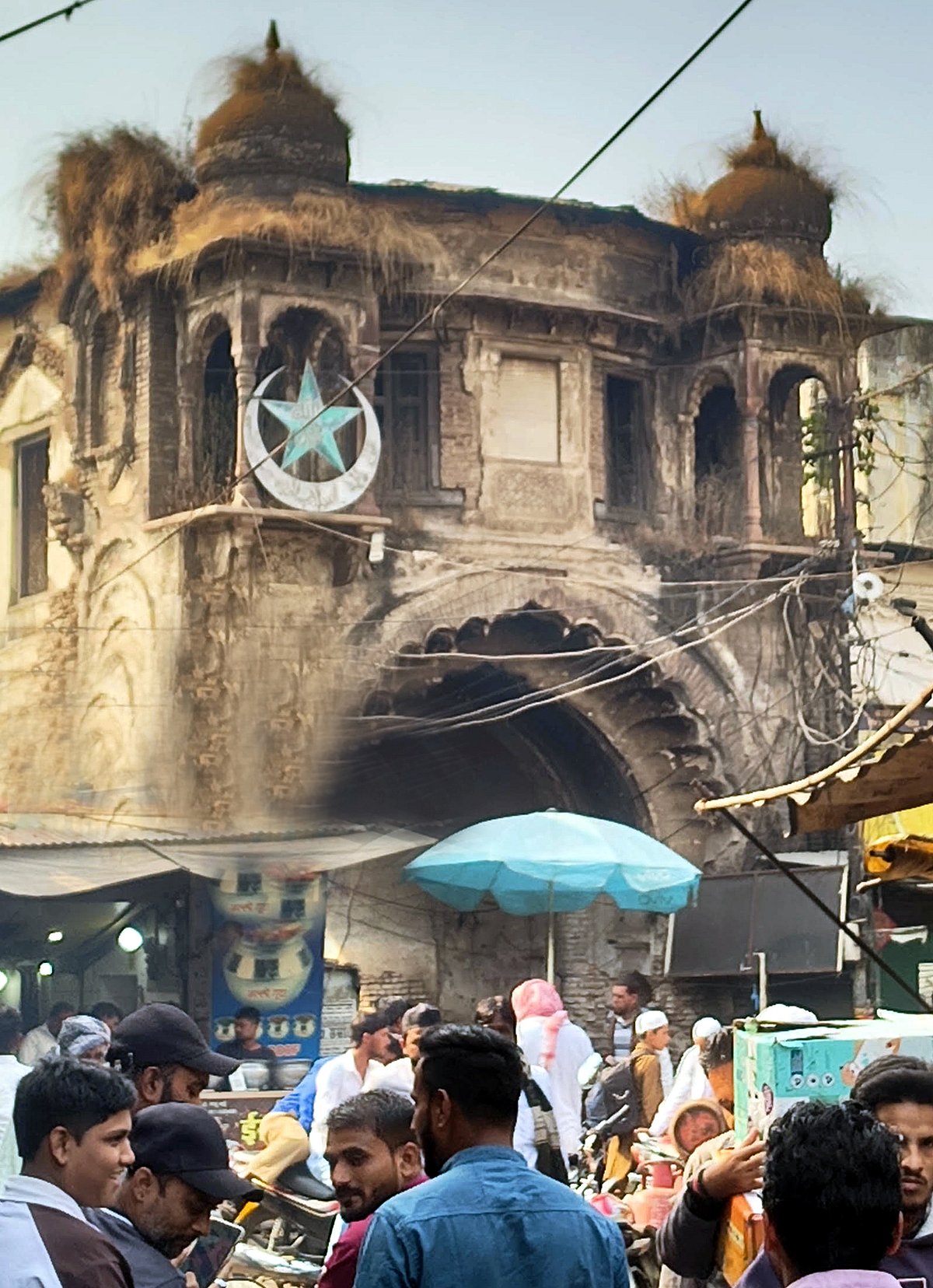
The gazetteers call a sarai or an inn a ‘stage house’. These accommodations used to be walled enclosures with small rooms or verandas set up around an open courtyard where wayfarers spent the nights. The gazetteers cited four such major inns within the Bhopal city limits and a major Mughal-era inn, Satpada Sarai, in Vidisha. The inns within the state capital include Sikandar Sarai near the railway station, Sarai Muhammad Ghulam Hussain, Sarai Hafiz Abdul, and Sarai Munshi Munaur Khan.
One hundred years ago, these inns sheltered travellers and pilgrims to keep them safe on wintry and rainy nights. Sikandar Sarai and Sarai Hussain Munshi Khan survive as postal landmarks in the old city. Sarai Muhammad Ghulam Hussain remains absent from modern municipal records
Travellers called the managers of these sarais, Bhatiyaras, who used to provide pual (straw) and firewood for 1 paisa or 1.50 paisa, depending on the quantity.
A few travellers used to carry food grains for cooking meals. Some of them also used to buy food grains from the Bhatiyaras.
Along the major trade routes, connecting Bhopal, Raisen, Sehore, Sironj, and Hoshangabad (now Narmadapuram), stood roadside inns, like historic Doraha Sarai in the Sehore district, built by Dost Mohammad Khan. Another important inn used to be Sehore Sarai, built in 1889, which served as a transit waystation, linking the Malwa and Bhopal regions. The Sehore Sarai figured in the Bhopal State Gazetteer compiled by CE Luard in 1908.
Other than Sarais, wayfarers enjoyed village hospitality. They used to spend nights on a veranda of a house. If the villager was rich enough, he provided meals free of cost. Temples and mosques also provided shelters to such journeymen.
Because Bhopal connects Delhi and Mumbai, during the rule of Nawab Sultan Jahan Begum from 1901 to 1926, it became an important layover. A stream of merchants and journeymen flocked to the town.
These inns had limited amenities, however. A room, if available, featured a bare floor and walls with small openings for an oil lamp and lacked any furniture. A traveller carried his bedding, a rough cotton mat and blankets. Sanitation and safety were the basic rules of these inns under the Sarais Act, 1867.
Trippers huddled together overnight, often shared food and traded stories of simple joys of life. As the morning broke, they bade each other farewell and set out of the inn for their next destination.
Level up your brain the fun way. Play daily games and quizzes on FPJ Smart!