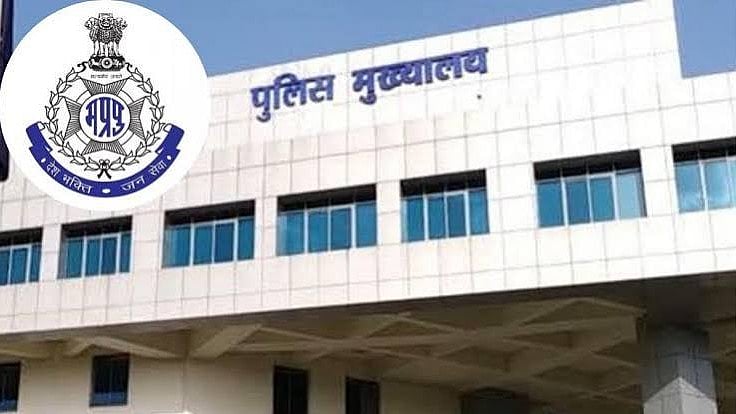
Bhopal (Madhya Pradesh): The Police Headquarters (PHQ) has empowered police stations wherein the police station in-charge can now issue a written summons directly to the concerned individual, ordering him or her to produce the requested material for the investigation. Earlier, the police had to take an order from the court to seek the same.
Citing Section 94 of Bharatiya Nagarik Suraksha Sanhita (BNSS), the Crime Investigation Department (CID) wing of PHQ has instructed station-level officials to implement the provision. Previously, to gather evidence, police personnel either had to collect it themselves or obtain a court order. Now, the station house officer (SHO) is authorised to issue a summons to any person, whether an informant or a suspect, directing them to produce relevant evidence, provided it is essential for the investigation of the case in question.
This includes bank statements, mobile records, CCTV footage, property documents or any other evidence about the crime. Instructions issued to the police commissioners of Bhopal and Indore, all district superintendents of police (SPs), Special Task Force units, Cyber Cell and the CID, mandate proper implementation of new laws to expedite the investigation of pending cases.
Relief from lengthy process
Under the previous system, the police often had to approach the court to obtain documents related to a case that was time-consuming. The new law introduces a provision whereby the station officer will issue a written summon to the concerned individual, clearly specifying the police station, the registered crime and the specific documents required.
Standardised format established, no verbal orders
The PHQ has set a standardised template for summons and distributed it to all police stations. This document will include the name of the police station, the crime registration number, the relevant legal sections, and a list of the specific documents required, which will then be sent to the concerned individual.
Under the new regulations, if a police station incharge needs to obtain documents or other relevant items from any individual for the purpose of an investigation, they should strictly follow the prescribed legal procedure.
This includes specifying when and where the items are to be produced. If an individual is unable or unwilling to appear in person, they may submit the documents via post or other appropriate channels.