
Bhopal (Madhya Pradesh): Police Communication Department will train its workforce in drone technology to ensure safe, legal and efficient operations. The training aims to bridge technical gaps, mitigate safety risks and unlock technology’s potential for national development, from agriculture to disaster management.
Police Radio Training Institute, Indore, is set to become first RPTO of MP Police. As a certified Remote Pilot Training Organisation, the institute will train 20 pilots in one batch.
Future-ready workforce
The motive is to create a future-ready workforce, foster innovation and establish India as a global drone hub. Primary focus is economic empowerment through job creation and entrepreneurship, while ensuring regulatory compliance and safe integration of drones into national airspace.
Training cost
The estimated cost for a comprehensive 2–3 week course is Rs 20,000–Rs 30,000 per trainee. Training will be entirely free for police personnel and government officers engaged in emergency response or disaster management.
Key features
DGCA-aligned curriculum, hands-on training with varied drone types and strong industry linkage for placements form core of the programme. It also emphasises entrepreneurship with incubation support. Special modules have been designed for women and aspirants from rural backgrounds to ensure inclusive growth.
Benefits for common citizens
The initiative democratises drone technology, creating new service-provider livelihoods such as agri-drone pilots in rural and urban areas. Common citizens will benefit indirectly through faster delivery services, precision farming, efficient disaster response and infrastructure monitoring, improving overall quality of life.
Boost to aerial surveillance
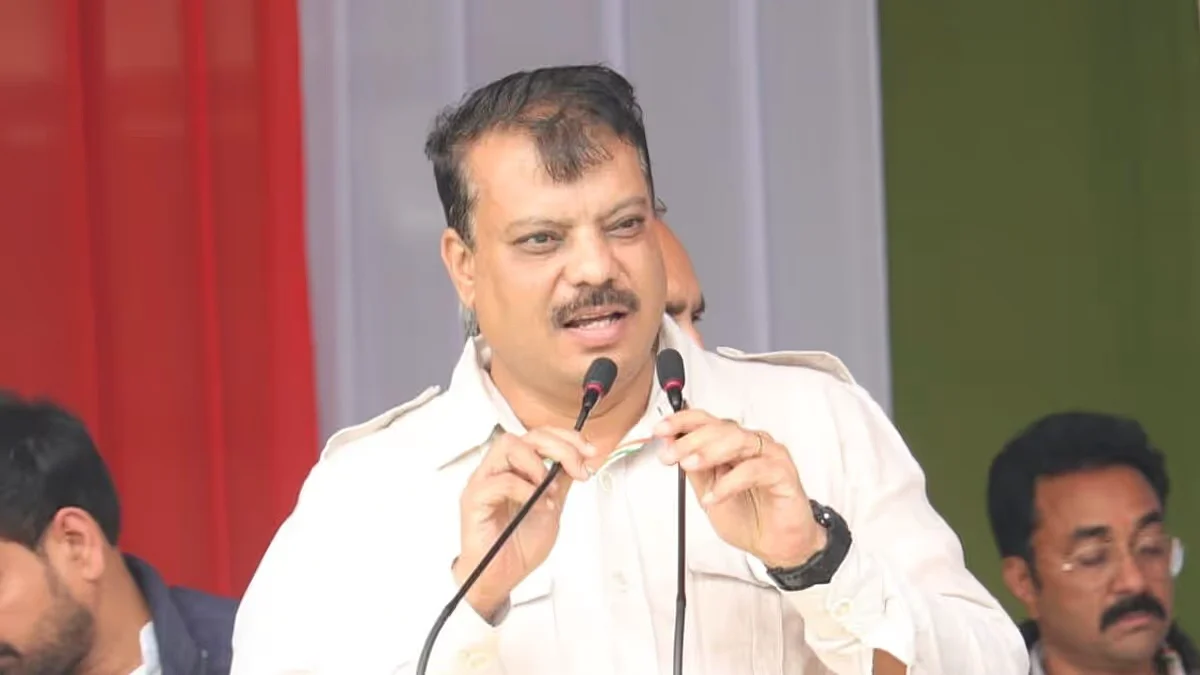
Special DG (Communications) Sanjiv Shami told Free Press that trained personnel will be able to fly drones up to 100 kilometres with endurance of more than six hours. The capability will help police keep an eye on activities of targeted individuals from sky and frame future strategy. It will also strengthen security during VVIP movement.
