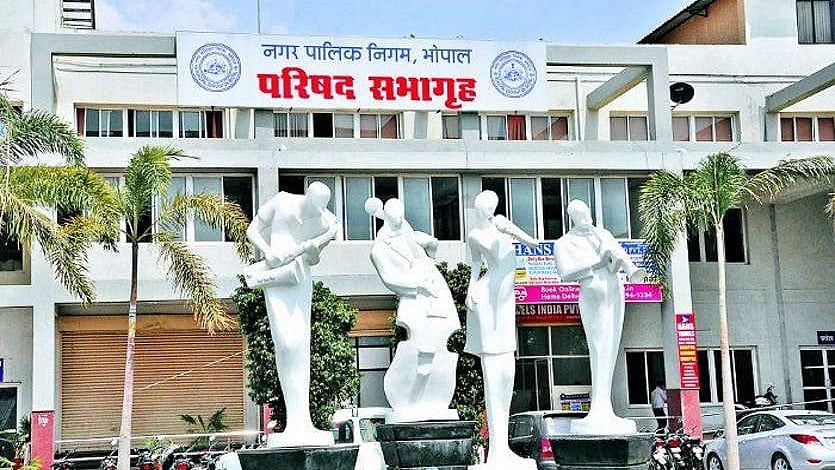
Bhopal (Madhya Pradesh): The Bhopal Municipal Corporation’s (BMC) budget for the financial year 2026–27 may appear tax-neutral on paper, but a technical revision in property tax zones is set to increase the financial burden on residents across a large part of the city.
While the BMC has not directly raised property tax rates, it has reclassified nearly 150 colonies, affecting 53 of the 85 wards. The changes are based on updated assessments of infrastructure development and geographic positioning, pushing several areas into higher tax brackets.
Reclassification to cost residents more
Areas previously categorised as underdeveloped or slum-dominated, which attracted lower tax rates, have now been upgraded to developed or general categories. This shift will automatically increase property tax rates in these localities, resulting in higher payments for residents without any formal announcement of a rate hike. The move has drawn attention as a hidden tax increase, as the impact will be felt despite no explicit revision in tax percentages.
Industrial zone limited to Govindpura area
Under the revised zoning structure, Zone 8 has been designated exclusively for industrial areas. This includes industrial units, small-scale and cottage industries in Govindpura, particularly in Ward 65, as well as the Kolua Kala industrial area in Ward 74. These areas will continue to be taxed under industrial rates.

Anomalies in key areas
Despite the reclassification, certain inconsistencies remain. Prominent upscale localities such as Arera Colony and Minal Residency continue to fall under Zone 4, raising questions over uniformity.
In Ward 3, the stretch from Sehore Naka to Kolukhedi via the Bhopal-Sehore road has been shifted from Zone 5 to Zone 6, increasing tax liability.
In Ward 26, select stretches including Bhadbhada Vishramghat to Suraj Nagar and parts extending to Neelbad have been upgraded from Zone 4 to Zone 5, while nearby residential pockets remain unchanged.
