Jabalpur (Madhya Pradesh): As the ongoing conflict between the USA, Iran, and Israel left several countries reeling under gas shortage, a village in India's Madhya Pradesh has emerged as an example for the nation. A small village in Jabalpur is making headlines for its sustainable rural energy model, with nearly half of its households relying on biogas for cooking.
Biogas plants In 50% of households
The village, Bandarkola, is highly regarded for its strategic approach to sustainable resources. The village has a total of 250 households and a population of nearly 2,500, and it has installed biogas plants in about 50% of homes. Notably, throughout the year, the stoves in the village kitchens burn using biogas.
Fuel supply directly to Kitchens
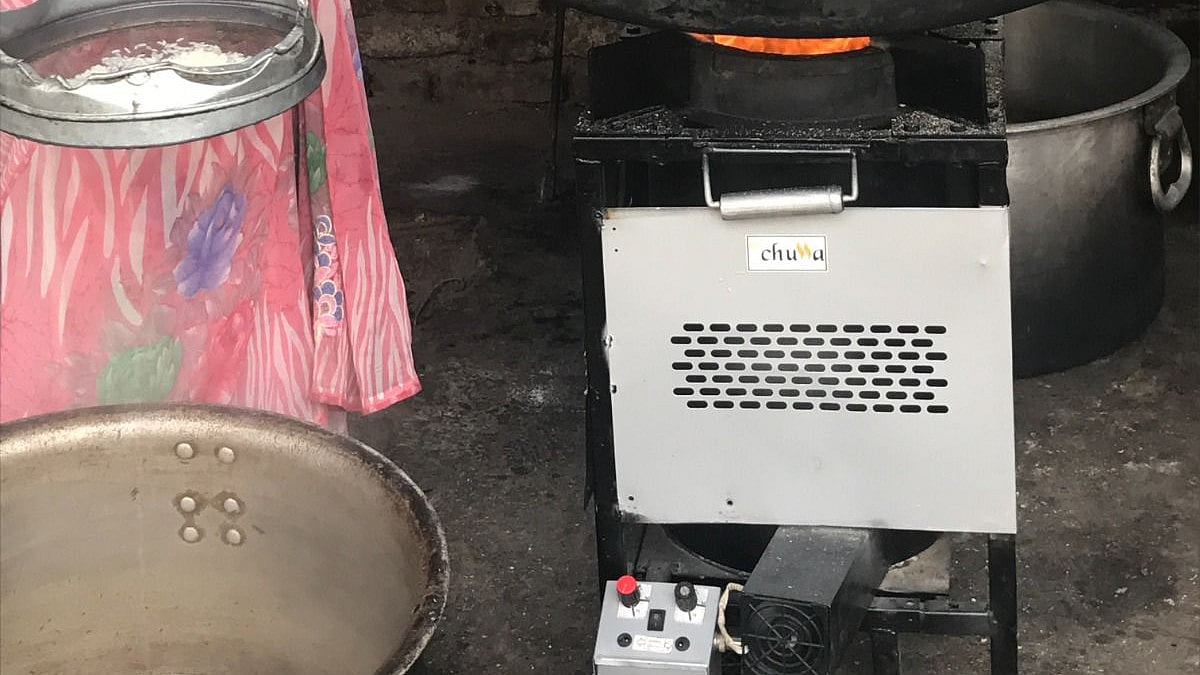
These biogas plants are supplying fuel directly to the kitchens of the village households through pipelines, ensuring a steady and affordable cooking energy source for residents.
The village has also received a Presidential Award for its achievements in sanitation.
The village's former Sarpanch (village head) installed the first biogas plant 13 years ago. Former Sarpanch Ajay Patel had a biogas plant installed at his own home 15 years ago at a cost of ₹12,000. Gradually, biogas plants were installed in the majority of the village households.
Availability of cow dung
The success of the project is largely attributed to the easy availability of cow dung in the village, which serves as the primary raw material for producing biogas.
Each household typically has a small plant installed in the backyard, where organic waste and cow dung are processed to generate gas that is then supplied directly to the kitchen.
This provides an affordable and sustainable fuel source while also benefiting the environment.