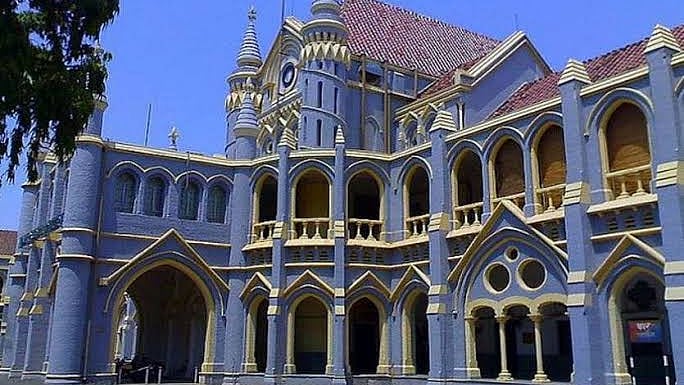
Bhopal (Madhya Pradesh): The principal bench of Madhya Pradesh High Court in Jabalpur on Friday dismissed a petition seeking adequate representation for Scheduled Castes (SC), Scheduled Tribes (ST) and Other Backward Classes (OBC) in the appointment of judges to the High Court.
A division bench comprising Chief Justice Alpesh Yeshwant Kogje and Justice Vivek Jain delivered the verdict. The OBC Advocates’ Welfare Association had filed a petition challenging the recommendation made by Supreme Court collegium on October 26 this year to appoint seven advocates as judges of Madhya Pradesh High Court.
The High Court observed that the scope of judicial review in the matter of the appointment of judges is limited. The HC cannot direct the setting aside of a collegium’s recommendation, nor can it order the recommendation to be sent back for reconsideration. Doing so would amount to evaluating the collegium’s decision and substituting it with HC’s own personal opinion.
Senior advocate Rameshwar Thakur told court that none of the seven recommended advocates belonged to SC or ST while only one belongs to OBC category. The petition alleged that the process adopted by the High Court Collegium on May 13, 2026, failed to provide public notice to advocates' associations. Nor were transparent and objective criteria established for the selection. Consequently, advocates from SC, ST and OBC categories as well as women advocates were denied adequate opportunities.


