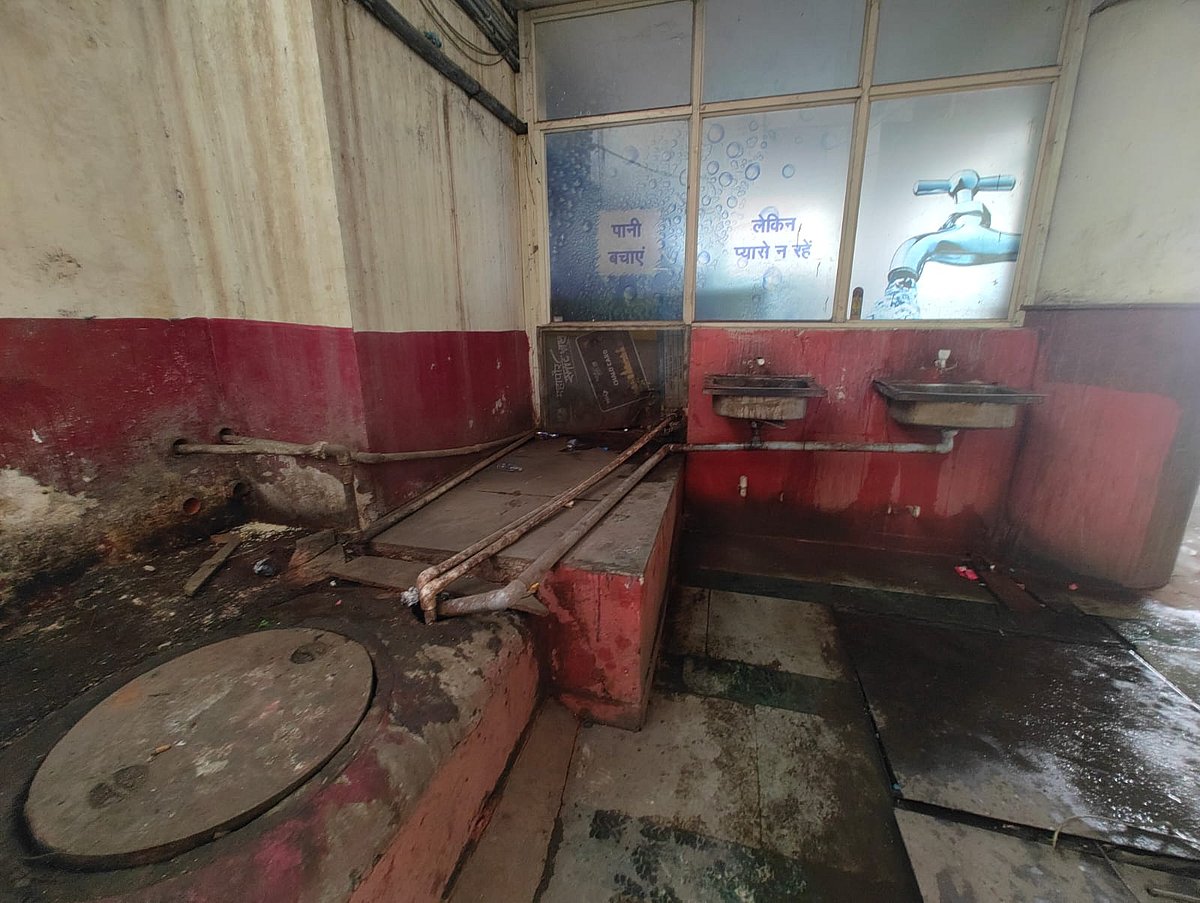
Bhopal (Madhya Pradesh): Bhopal Municipal Corporation (BMC) says it has intensified water sampling across the city, collecting over 1,000 samples in three days. However, allegations suggest only around 25 samples are actually tested, while reports are prepared for nearly 250 samples, raising serious concern over the city’s drinking water safety.
Nearly 80% of water supply lines in Bhopal are intertwined with sewage pipelines, violating national planning and public health standards. Experts also allege that tests which typically require days are being completed within hours, often by computer operators instead of trained chemists.
Expert say that comprehensive bacterial tests require at least five days, pesticide residue tests need two days and heavy metal analysis takes a minimum of 24 hours, casting doubts over the credibility of rapid reporting.
Violation of guidelines
Dr. Jagdish Singh, professor at MANIT, told Free Press that URDPFI guidelines mandate a minimum vertical separation of 450 mm at crossings and horizontal distance of 3 metres when pipelines run parallel. “Such separation is critical to prevent contamination, but is reportedly missing in large parts of Bhopal,” he said.
15-year-old pipelines to be replaced
Amid rising concern, BMC has announced plans to replace all 15-year-old pipelines. A zonal-level survey has begun under the AMRUT 2.0 scheme. Engineers have been assigned to the survey, and the report is expected within one to two days.
Leak near drain sparks concern
Residents of Jahangirabad flagged a major leak in a Kolar pipeline passing through a drain near Jhada Cemetery. Locals claim the pipe remains submerged during monsoon, allowing contaminated water to enter. Officials, however, maintain it is an air valve, not a leak.
Manpower shortage admitted
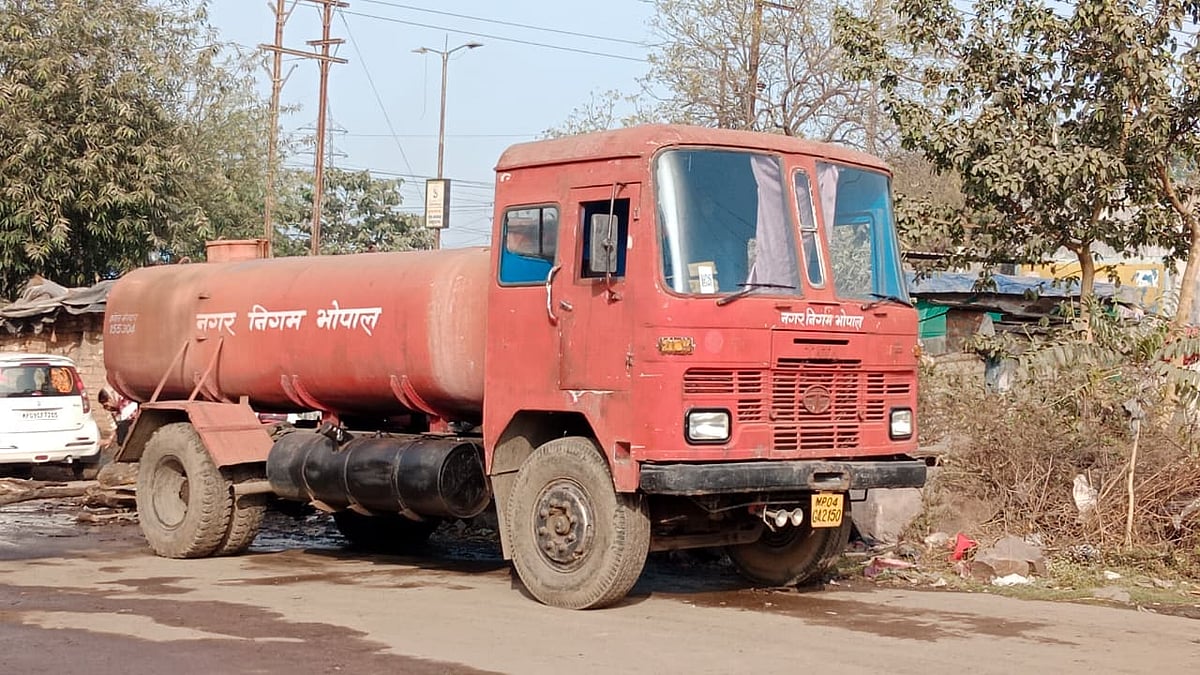
BMC officials denied wrongdoing in sample reporting, noting that geo-tagged photos are taken during collection. The corporation runs eight labs with only four chemists, assisted by lab staff. Officials admitted that intertwined pipelines are a major issue, particularly in the old city, and AMRUT 2.0 aims to address it.
Official response
BMC Additional Commissioner Tanmay Vashishth Sharma told Free Press, “On December 31, 58 samples were collected, and 119 on January 1, none showing harmful bacteria. From Saturday, samples from slum areas were collected and reports will come after 36 hours.

