Bhopal (Madhya Pradesh): The nationwide cleanliness survey, Swachh Survekshan 2025-26, is set to begin its citizen feedback phase on April 10, placing residents at the centre of evaluating urban hygiene standards.
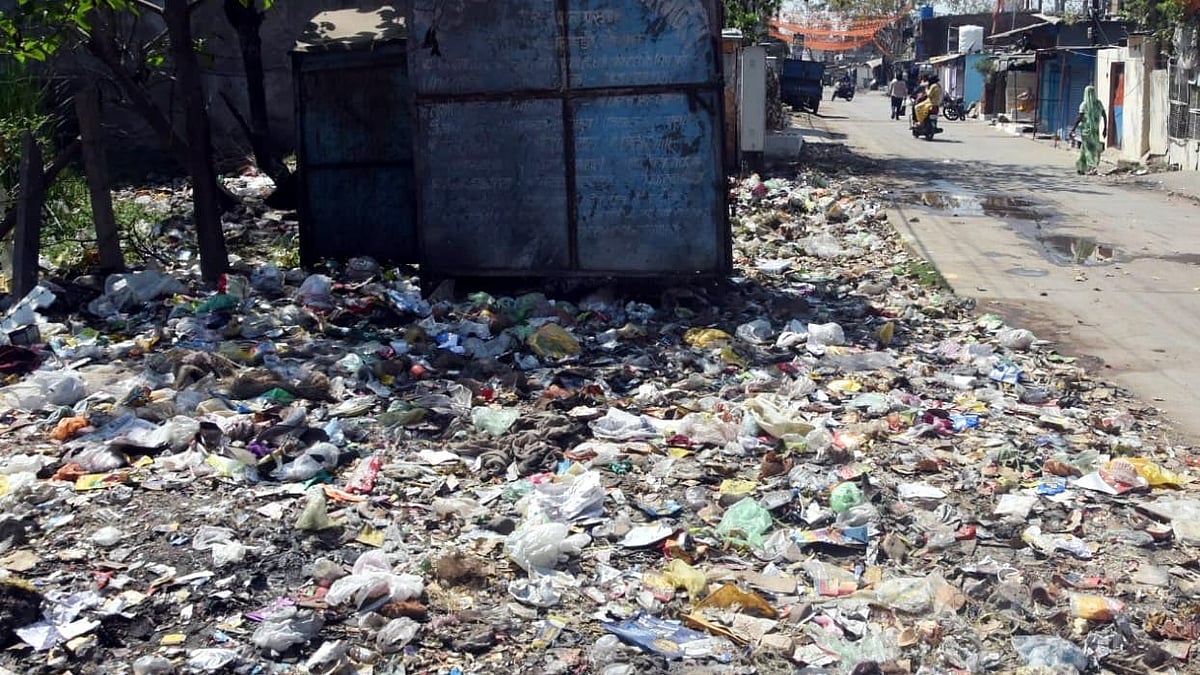
A major concern for the Bhopal Municipal Corporation (BMC) remains the Adampur Chhawani dumpsite, as large accumulations of waste could impact the city’s performance. Additionally, visible cleanliness along with the fading impact of earlier beautification drives at major roads and intersections has raised questions about sustainability.
According to the BMC, the survey will be followed by a 45-day on-ground assessment from April 16 to May 31, during which central teams will conduct detailed inspections across cities.
For Bhopal, the stakes are particularly high. The city ranked second nationally in the previous survey among cities with populations above 10 lakh and earned a prestigious Seven-Star rating, securing a place in the elite Super League. However, maintaining this status is emerging as a major challenge for the municipal corporation amid concerns of declining cleanliness in key commercial and sensitive zones.
This year’s survey framework places greater emphasis on ground reality rather than documentation. Rankings will rely heavily on citizen feedback and visible sanitation outcomes. Core parameters include source segregation of waste, efficiency of door-to-door collection, scientific waste processing, and water management practices. Strict scrutiny will also be applied to the treatment of legacy waste and dumpsite remediation.
During the assessment phase, central teams will carry out surprise inspections of public toilets, markets, garbage stations, and residential areas. They will also evaluate sewage treatment plants and recycling systems to ensure compliance with national standards.
