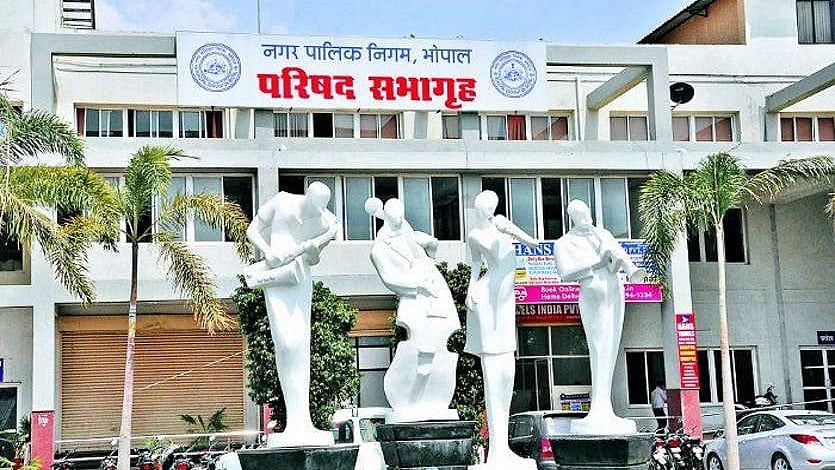
Bhopal (Madhya Pradesh): The implementation of the Solid Waste Management Rules 2026 began in Bhopal on Wednesday, with the Bhopal Municipal Corporation (BMC) launching strict enforcement across multiple wards.
Special teams have been deployed to penalise violations, signalling a firm approach to improving waste segregation practices in the city. According to the BMC’s Swachh Bharat Mission (SBM) cell, despite the strict rollout, the success of the initiative will depend on how quickly infrastructure and public awareness catch up with policy enforcement.
Four-way segregation mandated, system yet to catch up
Under the new rules, residents must segregate waste into four categories: wet, dry, sanitary and hazardous. While collection staff have begun instructing households to comply, most public spaces, including parks and markets, still have only two or three types of dustbins, making proper segregation difficult.
Confusion over disposal in public areas
The lack of updated infrastructure has led to confusion among citizens. Items such as sanitary waste, expired medicines and e-waste do not have designated bins in many locations, raising concerns about effective implementation.
Fear of fines, awareness still low
The BMC has warned of spot fines for non-compliance, littering, spitting and improper disposal of pet waste. Bulk waste generators, such as hotels and malls producing over 100kg of waste daily, are under strict monitoring. However, many residents said awareness about the new categories and disposal methods remains limited.
Authorities promise upgrades
Officials said outdated bins will be replaced in the coming weeks, and awareness campaigns are underway to educate citizens about the colour-coded system: green for wet waste, blue for dry waste, red for sanitary waste and black for hazardous materials.
Quote
“Dustbins placed along the roads are our responsibility. Municipal staff ensure that the waste is segregated before it is collected from these bins. At the same time, efforts are being made to improve waste management in large colonies and institutions.”
— Sanskriti Jain, municipal commissioner