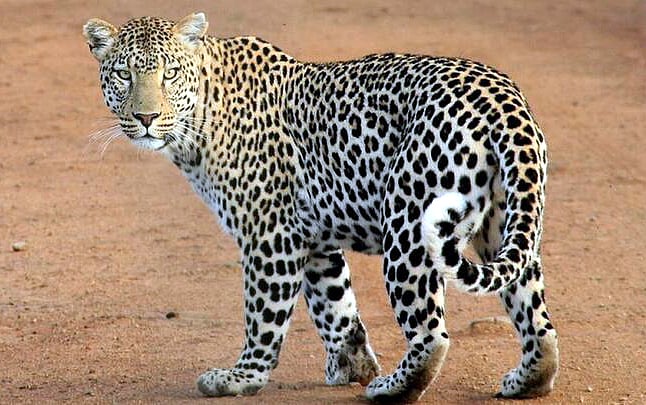
Bhopal (Madhya Pradesh): At least 149 leopards have died in the duration of 14 months from January 2025 to February 2026 in Madhya Pradesh. Seoni and Umaria have emerged as the most high-risk districts for leopard fatalities in the state. This has been revealed in the Right to Information (RTI) sought by wildlife activist Ajay Dubey.
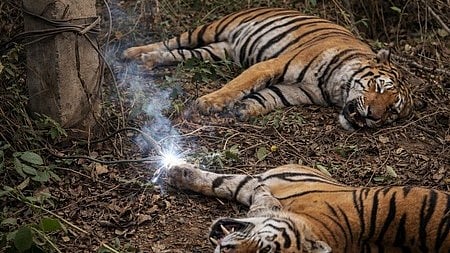
The report states that Indore and Malwa region have frequent reports of electrocution as leopards move through agriculture fields. Farmers often use live wires to protect the crops from wild boars which inadvertently kill leopards.
The report dubs Seoni circle as the highest casualty zone, largely due to its proximity to major highways and the Pench corridor. Narmadapuram is the second highest casualty zone which witnesses significant road-kill incidents near Satpura Tiger Reserve.
In Raisen and Bhopal areas, the high mortality is linked to the Ratapani Wildlife Sanctuary where leopards frequently cross the roads. In Indore and Dewas, notable deaths are occurring in hilly forest patches surrounded by expanding urban and agriculture zones.
Summary of Findings
Infrastructure impact: Approximately 31% of all leopard deaths are concentrated in areas where highways bisect forest corridors, particularly the Seoni Nagpur stretch.
Conflict zones: Intraspecies conflict (fighting over territory) is highest in protected areas like Bandhavgarh, suggesting high population density in those specific zones.
Hotspots: A significant number of accidents occurred on linear infrastructure projects (highways and roads) cutting through forest corridors.
Proximity to humans: Many deaths occurred in areas where leopards live close to human settlements, increasing the risk of electrocution and vehicle collision.
Leopard mortality in MP from Jan 2025 to Feb 2026
Total deaths: 149
State population: 3,907 (highest in India)
Wildlife activist Ajay Dubey said that the staggering loss of 149 leopards in just 14 months reveals a grim reality for Madhya Pradesh. The state takes pride in its Tiger State status but at the same time, it has inadvertently turned into a graveyard for leopards. Nearly one-third of deaths are caused by road accidents and it underscores a systematic failure to ensure safe corridors. It is not just about losing animals rather it is losing the balance of the ecosystem due to negligence.