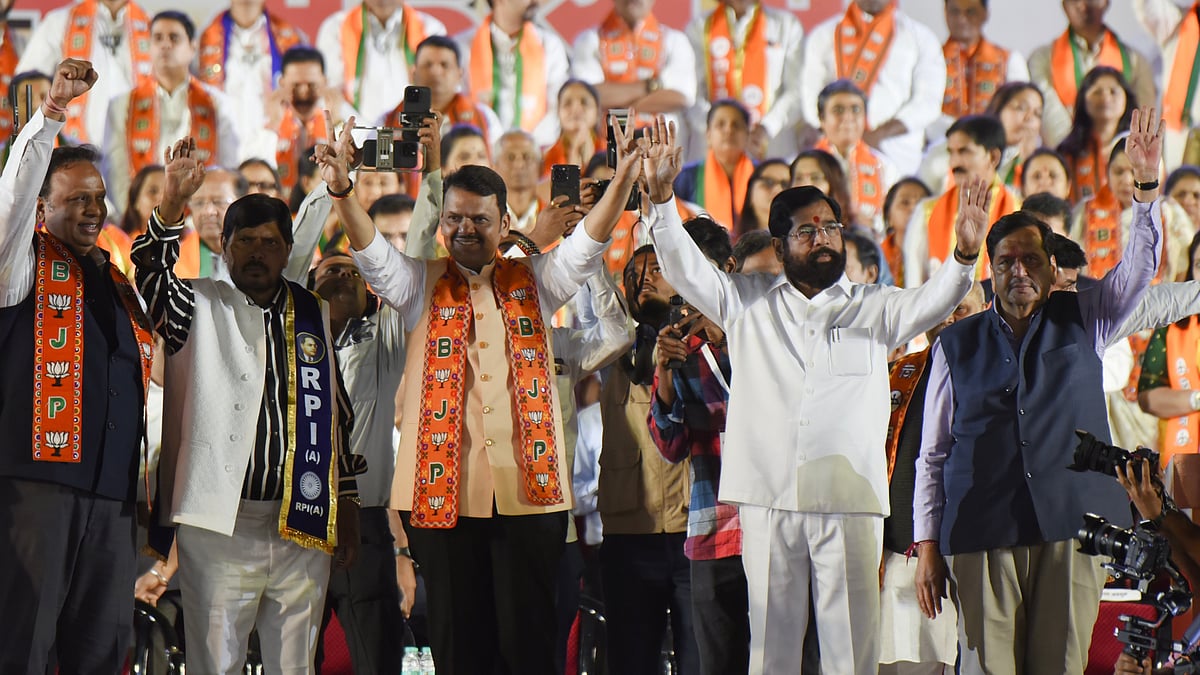
The results of the 2026 Brihanmumbai Municipal Corporation (BMC) elections, declared on January 16, mark a historic shift in Mumbai's political landscape. The Mahayuti alliance—comprising the Bharatiya Janata Party (BJP), the Eknath Shinde-led Shiv Sena, and allies—has decisively ended nearly three decades of dominance by the undivided Shiv Sena and its successor faction led by Uddhav Thackeray. This victory is not merely electoral; it signals Mumbai's rejection of parochial, fear-based politics in favour of development-orientated governance. It is a watershed moment that heralds a new era of rapid infrastructure growth, efficient administration, and inclusive progress for India's financial capital.
The Era of Shiv Sena Dominance and Stagnation
For over 25 years, the Shiv Sena held near-absolute control over the BMC, India's richest municipal corporation, with an annual budget exceeding Rs 50,000 crore. Beginning in the late 1980s and solidifying through its alliance with the BJP, the party positioned itself as the champion of the "Marathi manoos". However, in recent years—particularly during Uddhav Thackeray's tenure as chief minister (2019-2022) and the continued Sena influence over the BMC contracts—Mumbai witnessed unprecedented levels of alleged corruption and administrative neglect. Scams in COVID-19-related procurement, irregular road contracts, and rampant encroachments became hallmarks of this period. The city's infrastructure crumbled: pothole-riddled roads became a perennial nightmare, flooding remained unchecked despite heavy monsoons, and basic civic services deteriorated. Mumbai, with its infinite potential, continued to lag behind peers like Singapore or Dubai, trapped in a cycle of contractor-driven graft and political patronage.
The Turnaround Under Modi’s Vision and Fadnavis’s Execution
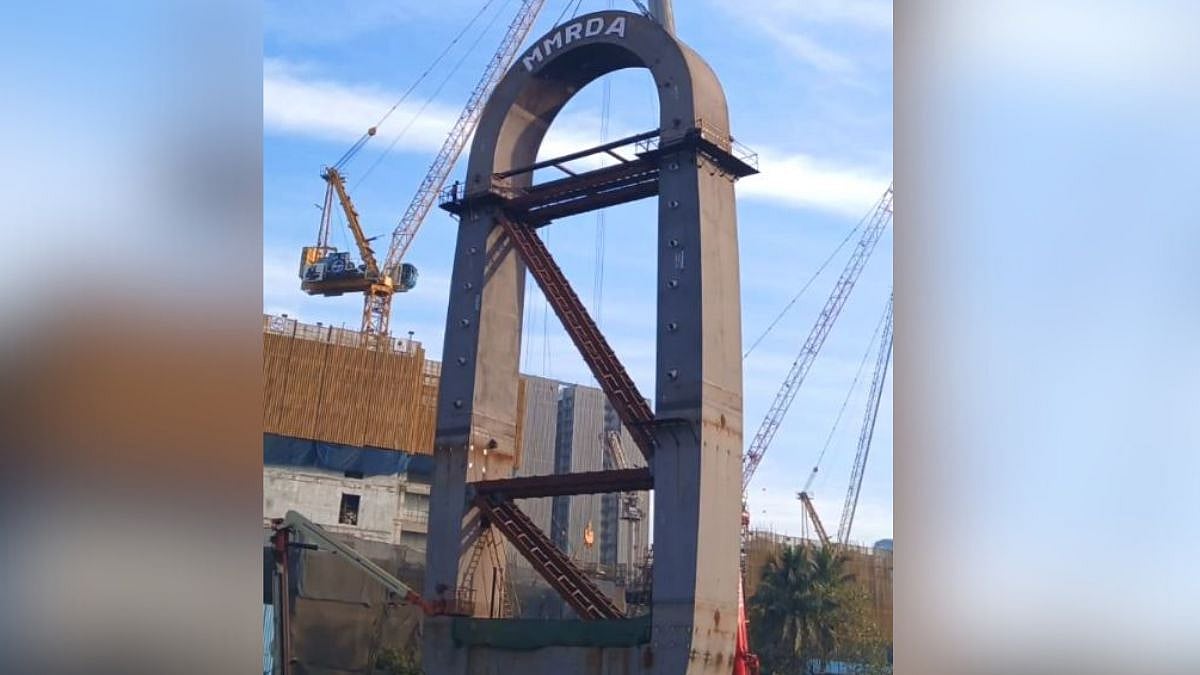
The tide began to turn after the formation of the Eknath Shinde-Devendra Fadnavis government in 2022, aligned with Prime Minister Narendra Modi's vision for a Viksit Bharat. With Fadnavis as Deputy Chief Minister (and later Chief Minister), long-stalled projects were revived and executed at breakneck speed—a testament to his iron will and administrative acumen. Key achievements include the Mumbai Coastal Road, a game-changing 29-km expressway connecting South Mumbai to the suburbs, with phases opening rapidly to ease traffic congestion. In the years ahead, this coastal road will stretch right up to Bhayandar, outside the northern precinct of Mumbai. Another huge transformation is visible in Mumbai’s metro network expansion. Nearly 100 km of metro lines are operational or under construction, including the Aqua Line (Line 3), transforming public transport and reducing commute times drastically. Two other game-changer infrastructure projects include the Navi Mumbai International Airport, which is showing steady progress toward operationalisation and is poised to decongest the existing airport and boost connectivity, and the Goregaon-Mulund Link Road (GMLR), a vital east-west tunnel project gaining momentum, set to slash travel time between the western and central suburbs.
These projects, delayed for decades under previous regimes, were fast-tracked through decisive clearances, efficient funding, and rigorous monitoring. Mumbai's skyline and roads began reflecting ambition rather than apathy.
The Campaign Contrast: Development vs. Divisiveness
The 2026 BMC campaign crystallised the choice before Mumbaikars. The Mahayuti alliance campaigned on "vikas" (development)—promising redevelopment of dilapidated chawls, new tunnel projects, improved slum rehabilitation, and world-class civic amenities. In contrast, the Uddhav Thackeray-led Shiv Sena (UBT) and allies resorted to venomous rhetoric against "outsiders", stoking regional fears and identity politics. The Thackeray camp, including appeals invoking Balasaheb Thackeray's legacy, warned Marathi voters that this could be their "last election" if they did not consolidate. Yet, this fear-mongering fell flat. Mumbaikars, a cosmopolitan mix contributing to the city's vibrancy, rejected divisive narratives.
Ideological Dilution and Leadership Vacuum
A striking feature of the campaign was the Thackerays' marked shift from Balasaheb Thackeray's core Hindutva-Marathi ideology. In desperate bids for votes, Uddhav Thackeray's faction aggressively wooed the religious minority community, aligning with forces antithetical to the original Sena ethos. This dilution alienated traditional supporters while failing to broaden the base sufficiently. On the other side stood Devendra Fadnavis's leadership—a crucial differentiator. Known for executing mega-projects stalled for decades, Fadnavis brought futuristic vision to the table—proposals for asset tokenisation and blockchain technology to enhance transparency, optimise municipal finances, and position Mumbai as a global fintech hub. His track record resonated with aspirational voters seeking governance over gimmicks.
The End of the Road for Thackeray Politics?
The results underscore a profound message: Mumbai has moved beyond dynastic, fear-driven politics. The Thackeray family's warnings of electoral extinction for the Marathi community backfired spectacularly. Instead, the verdict suggests that the politics of division, patronage, and stagnation may have reached its end. Voters prioritised performance, inclusivity, and progress. This watershed victory empowers the Mahayuti to transform the BMC into a truly efficient, corruption-free body. With CM Fadnavis's proven execution prowess and PM Modi's national backing, Mumbai is poised for unprecedented growth—better roads, flood resilience, modern housing, and economic opportunities for all.
Mumbai has spoken: the future belongs to development, not division. This is the dawn of a truly global Mumbai.
The writer is a national spokesperson of the BJP, besides being an acclaimed author.
