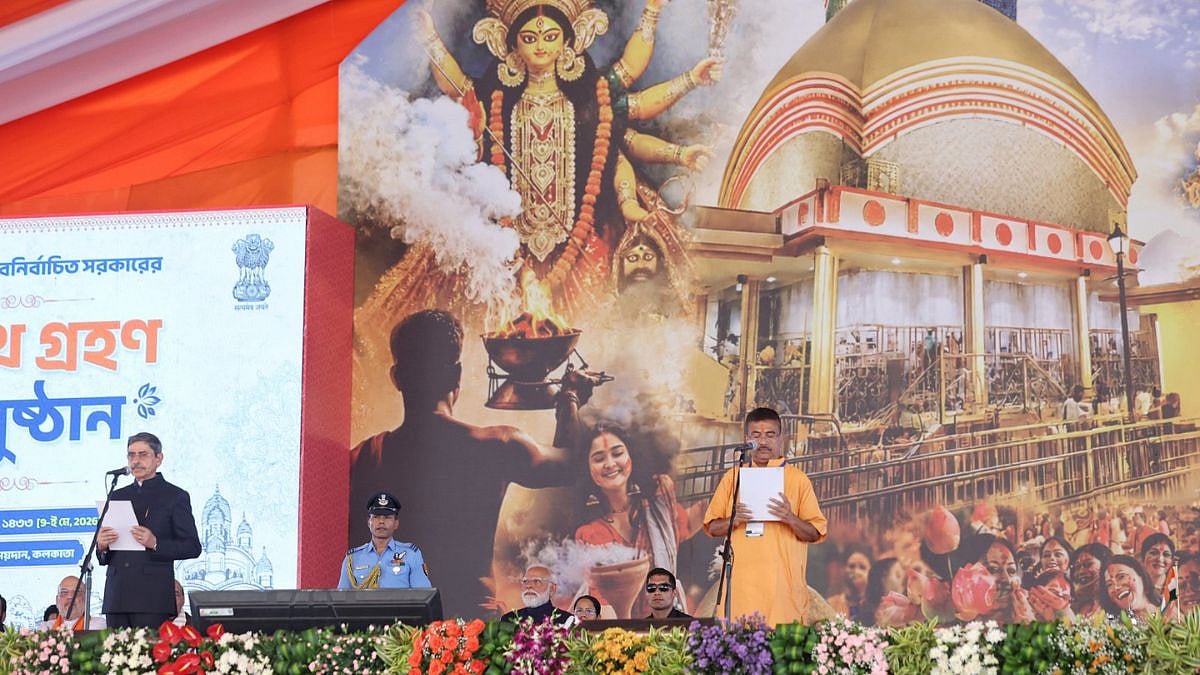
The rise of Suvendu Adhikari as West Bengal’s first BJP chief minister marks not merely a change of government but also a test of whether the Bharatiya Janata Party can transform itself from a powerful electoral machine into a credible governing force in a state long shaped by ideological politics and administrative drift.
During the last half-century, Bengal’s politics revolved around confrontation—first under the Left Front and later under Mamata Banerjee. Adhikari now faces the hard task of governance and the even harder task of meeting the expectations of his voters who have voted for a ‘Sonar Bangla’ or a ‘Golden Age for Bengal’.
Voters will look for visible delivery, particularly on the BJP’s campaign promises. The initial tasks are simple—the BJP committed itself to clearing pending dearness allowance arrears, implementing the Seventh Pay Commission, and introducing monthly cash support for women heads of families and unemployed youth. Money is in short supply given Bengal’s dire fiscal situation, but central loans or grants may make his task easier.
The state’s deeper crisis is economic stagnation, which the BJP highlighted during the election campaign, citing the decline of manufacturing hubs and rising youth unemployment and terming Bengal an “industrial graveyard”.
Adhikari must now convert campaign criticism into a realistic industrial strategy, which involves investment in logistics, ports, food processing, and industrial corridors linked to Durgapur, Burnpur, and the state’s agricultural hinterland. Reviving tea and jute industries, while encouraging technology, media, and design sectors, could help reposition Kolkata as a creative and services hub rather than merely a city of nostalgic decline.
Employment generation is central to the BJP’s long-term survival in Bengal. Large sections of the state’s educated youth see migration as the only route to opportunity. A visible jobs pipeline would not only improve incomes but also restore confidence in Bengal’s economic future.
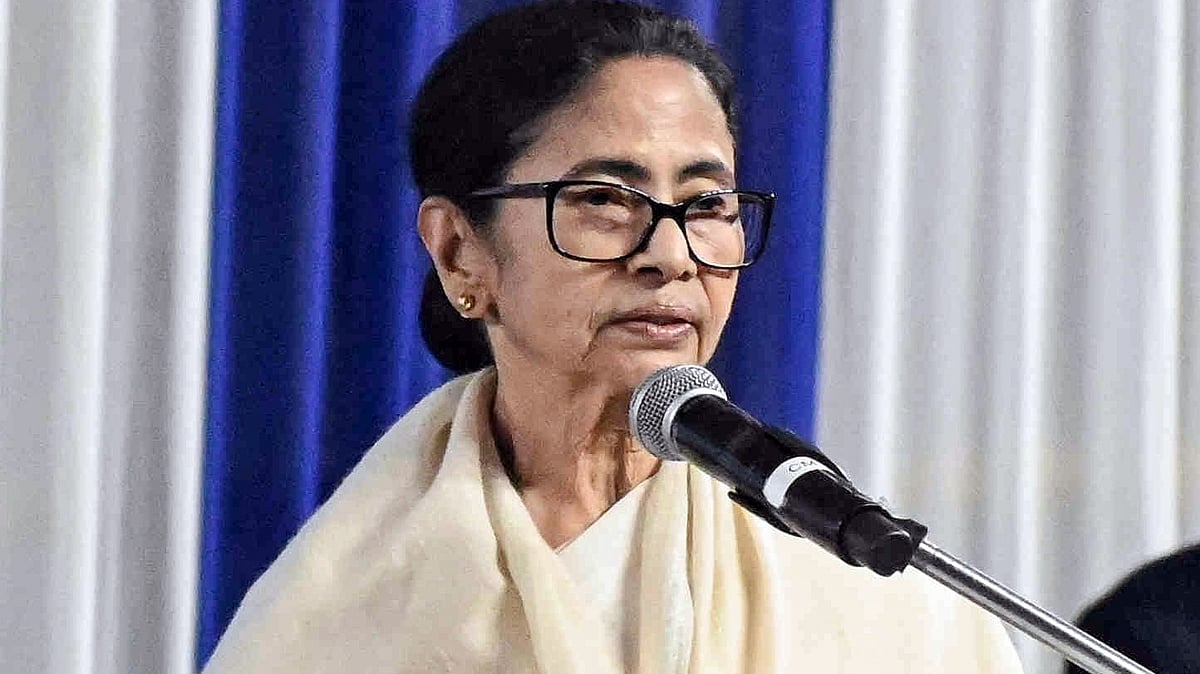
Bengal’s bureaucracy and police have long functioned under intense partisan pressure, with transfers, recruitment and local administration often turning into extensions of political patronage. If Adhikari genuinely wants to distinguish his government from its predecessor, he must professionalise governance rather than merely replace one political-patronage network with another. A corruption inquiry into the previous regime may satisfy political expectations, but Bengal’s larger need is procedural trust—transparent recruitment, accountable welfare delivery, and more neutral policing. The greatest risk for the BJP is that it remains trapped in permanent political combat where public life remains deeply polarised along party and communal lines and governance is arbitrary and partisan.
Ultimately, his real challenge lies in persuading Bengal that the BJP’s rise need not come at the expense of Bengali identity, institutional balance or social cohesion. If Adhikari succeeds in combining right-wing nationalism with economic revival and administrative credibility, Bengal could become the saffron party’s most important governance experiment yet.
However, if he falters, the state may simply slip into another round of political blood-letting, deepening the sense of anguish among its citizenry.

