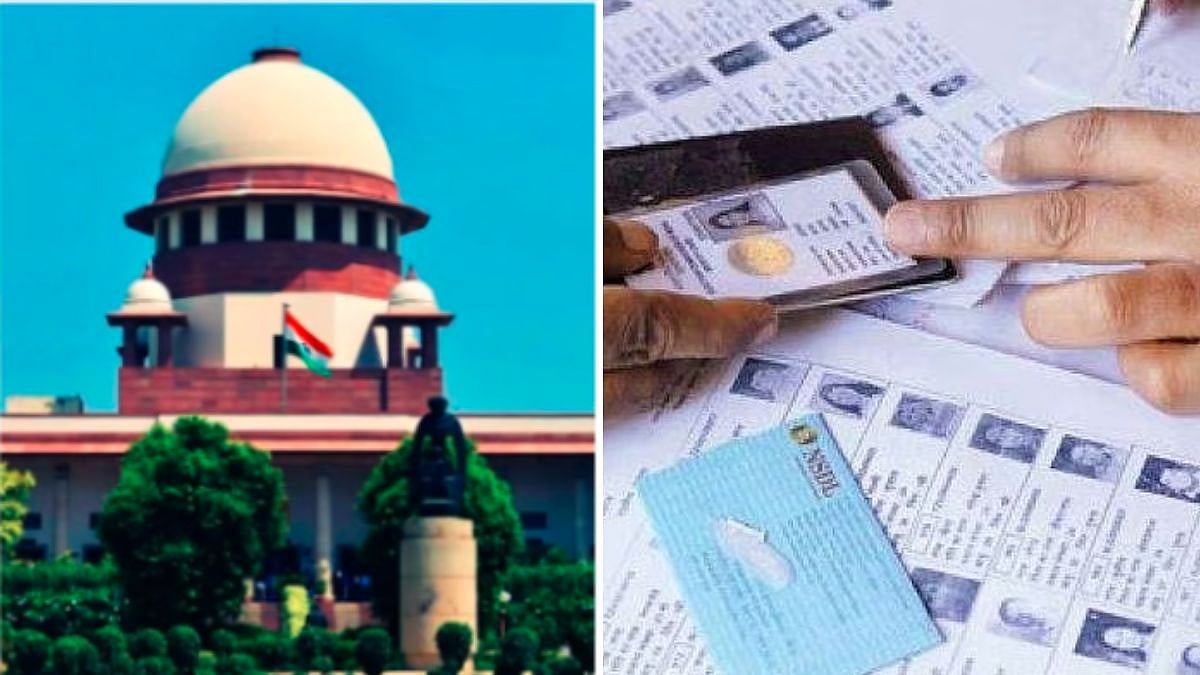
This recent observation from the Supreme Court, while legally pragmatic, carries a weight that should unsettle any practitioner of democracy. In an effort to sanitise this country’s electoral rolls through a Special Intensive Revision (SIR), the administrative machinery has prioritised a “pure” register over an inclusive one. But as the ink dries on the first phase of polling in West Bengal, the gap between institutional purity and individual franchise has widened into a chasm. The sheer volume of exclusions is staggering: nearly 90 lakh names removed in West Bengal alone. While the Election Commission maintains that AI-driven audits were necessary to purge "ghost voters", the aftermath suggests a more chaotic reality. Over 34 lakh appeals have been filed, yet with only 19 tribunals tasked with adjudication, the math of justice simply does not add up. In the days leading to the first phase, a mere fraction of these cases were resolved. The concern is no longer just procedural; it is mathematical. In the handful of cases where tribunals did provide a hearing, the restoration rate reportedly hovered near 94 per cent. If this success rate holds, it implies that the vast majority of those deleted were not "ghosts" at all, but legitimate citizens caught in a digital dragnet. When the margin of deletion—roughly 12 per cent of the electorate—far exceeds the typical victory margins of 2 or 3 per cent, the potential for a distorted election result shifts from a theory to a distinct possibility.
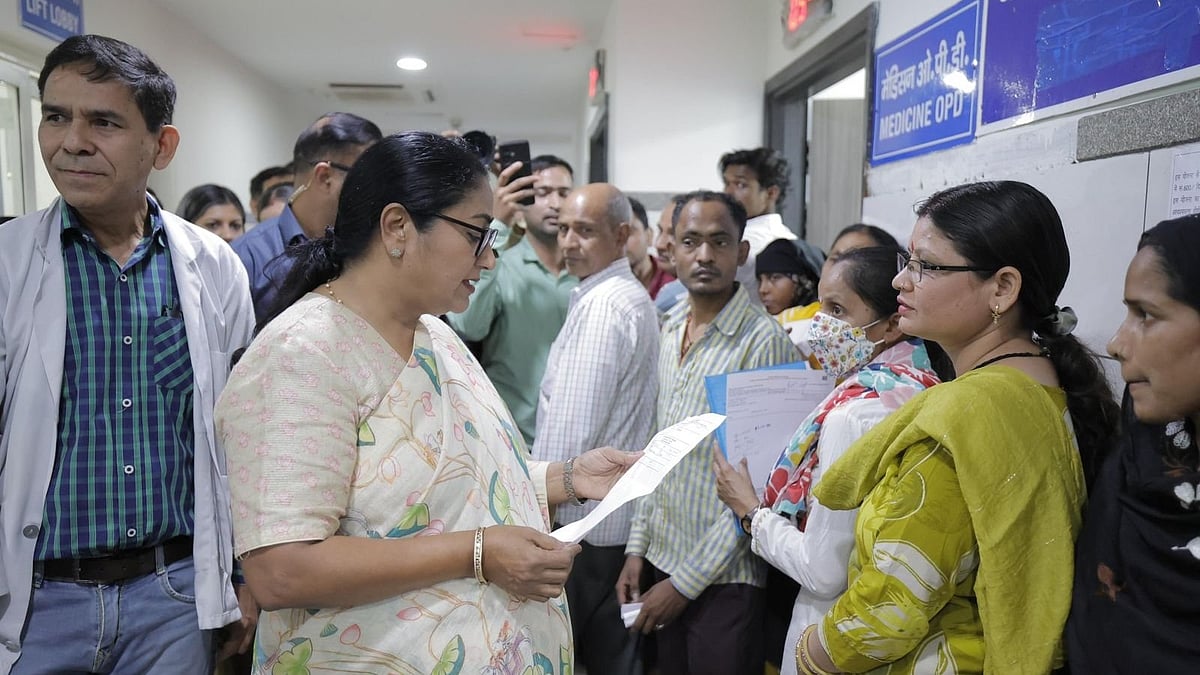
This distortion is likely to be most visible in districts like Murshidabad and North 24 Parganas. These regions are characterised by complex naming conventions and high linguistic diversity—factors that frequently trip up automated "logical discrepancy" filters. In Murshidabad, where deletions reached as high as 7.43 lakh, the inability of the judicial system to process appeals in time for the polls means that entire pockets of the community may have been rendered willy-nilly ineligible. When deletions cluster around specific demographics or geographies, the "will of the people" is no longer a full chorus but a carefully filtered recording. The Court’s focus on the “more valuable right to remain on the rolls” for the next election offers cold comfort to a voter standing outside a booth today with a valid ID but a deleted entry. While the judiciary seeks to avoid "constitutional chaos" by not halting the election, the current process forces a choice between stability and the fundamental right to enfranchisement. Administrative efficiency is a virtue, but in a democracy, it must be the servant of the vote, not its gatekeeper. If lakhs are sidelined by a rushed process that outpaces the speed of judicial remedy, we must ask: was this surgical strike on the rolls indeed the best way to let democracy shine?

