
If even some of the 1,700 to 1,800 trees of Tapovan in Nashik remain standing after the plans to construct Sadhugram (village of monks) for the Simhasta Kumbha Mela 2026-27 are implemented, they will have the enraged people of the city to thank. For the past two weeks, citizens of Nashik, supported by environmentalists and activists from across Maharashtra, have employed all the methods at their command to draw attention to the mindless massacre of thousands of trees, some of them old and treasured, to make the ‘village’. The Tapovan forest, along the Godavari River, is not only the heartbeat of the rapidly expanding city of Nashik but also carries the ancient mythological imprint of having held Lord Ram, Sita, and Lakshman in its bosom on their way to the 14-year-long exile.
Protesters filed representations with the state government, the Tree Authority, and the Nashik Municipal Commissioner; they held Chipko-like agitations, hugging the trees to drive home the message; and they took on local officials during hearings, demanding answers to key questions. Why, they asked, do the Nashik Municipal Corporation and the Nashik-Trimbakeshwar Kumbh Mela Authority need to clear this span of nearly 300 acres to build temporary accommodation for the sadhus expected at the Kumbh Mela when a similar provision had been built for the previous one 12 years ago? On what basis, without studies and appropriate methods, can the administration keep sacrificing trees every 12 years? They demanded to know. Their aggression did make the administration backtrack on the number of trees to be axed, but the issue is not settled yet. Nashik is already battling poor quality air and extreme heat; fewer green areas play a role in these climatic events.
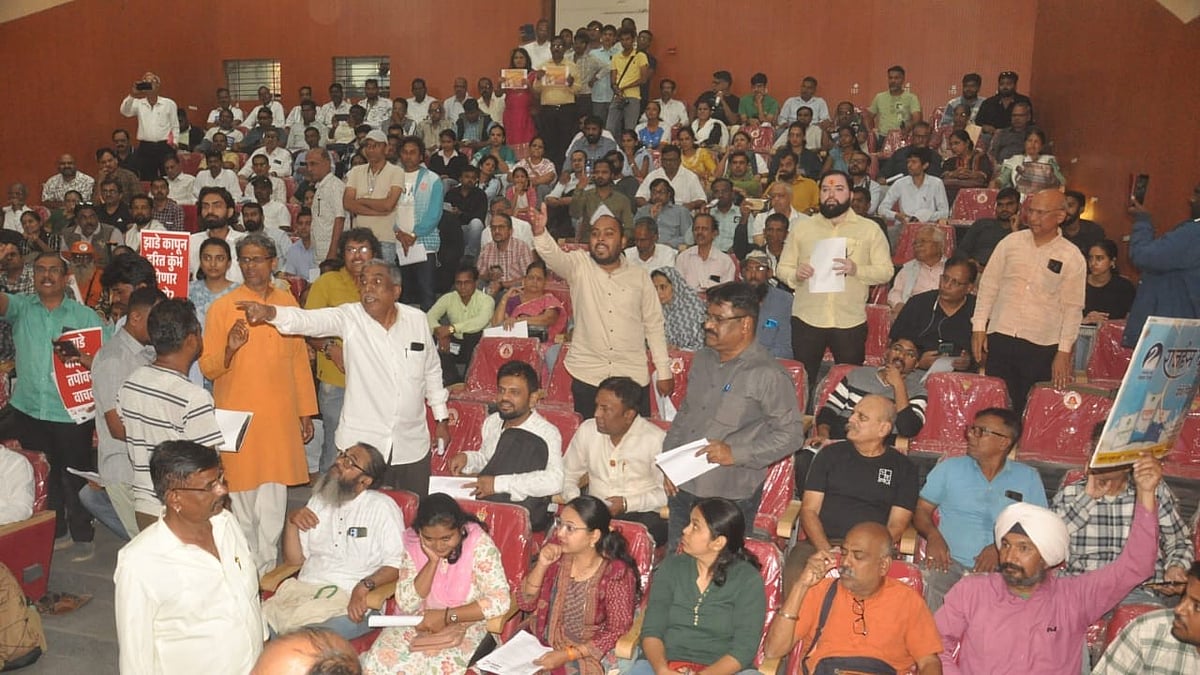
Infrastructure work of around Rs 6,000 crore is expected to be carried out for the Kumbh Mela. That it should fall upon citizens—hard-working people managing their work and homes—to step out, join forces, mount campaigns, attend meetings, visit local officials, and make a noise in defence of trees exposes not only the apathy but also the intent of the local administration and the Kumbh Mela Authority, which would have had the original plan green-lit by the state government. That the administration, right through the hierarchy, did not think in terms of the ecological cost of constructing the Sadhugram across 300 acres is tantamount to playing with citizens as well as nature. The administration is only the custodian of natural wealth from trees and hills to rivers and lakes in any city, not its owner. For people to take up cudgels to remind it of this, whether in Nashik or Jaipur or Hyderabad, shows a dangerous trend indeed. Let ecological sustainability not be played with to satisfy other motives.

