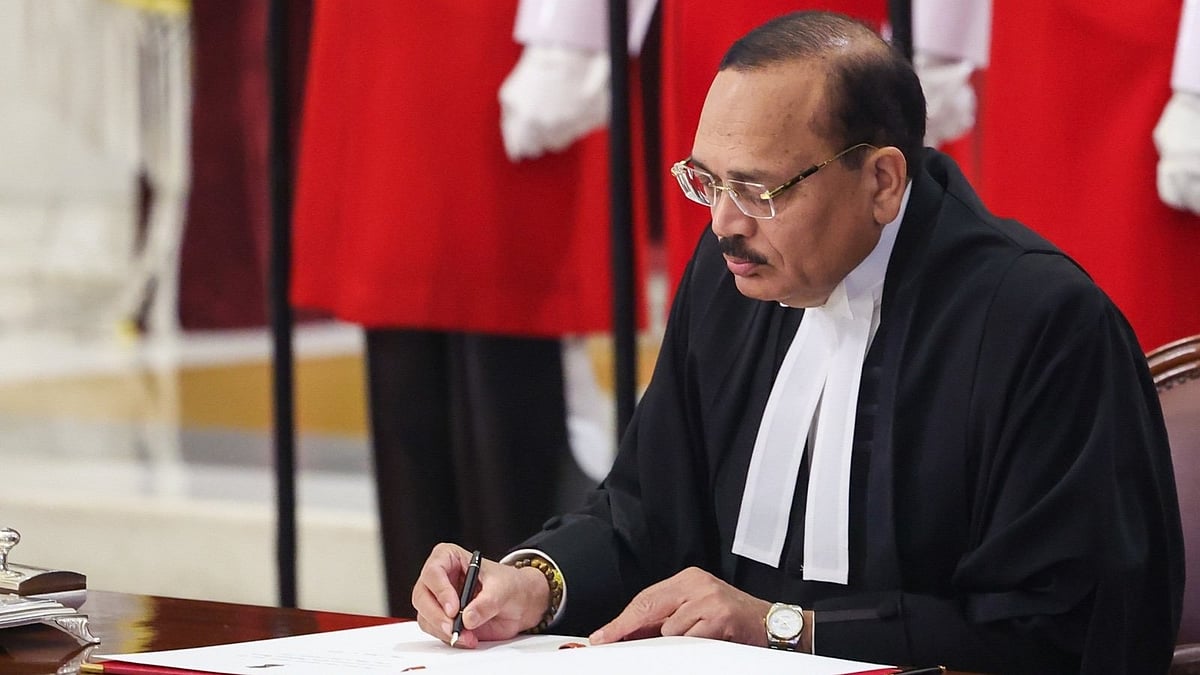
Chief Justice of India Surya Kant’s call for a reformed legal architecture that matches national ambitions to become a ten trillion dollar economy in the not-so-distant future needs to be welcomed for underscoring a foundational requirement of a modern nation. Predictability, specialisation and a culture of good faith in commercial law, as Justice Kant explained in a public address, form the bedrock of confidence of all sectors involved in growth. What is equally salient to developmental goals is the confidence of the average citizen, that institutions have high credibility, regulators are independent, lawyers maintain the highest integrity, justice is available without excessive cost or time overruns, and the rights-based basic structure of the Constitution remains protected. Importantly, the Supreme Court emphasised a few years ago the need to raise the ratio of judges to 50 per million people, but in 2025, it was a dismaying 22. Fair, timely and effective justice is elusive for thousands due to the staggering volume of pending cases, leaving India a sorry outlier among robust democracies. Most citizens encounter the legal system at the level of District and Subordinate Courts, where the vacancy situation is worrying: official data at the start of 2026 show 4,867 vacancies in these courts, with Uttar Pradesh, Rajasthan, Gujarat and Bihar faring the worst. If the situation in the Delhi High Court as assessed by a think tank is any indication, the massive pile-up of litigation across the country results from frequent adjournments granted by judges, going up to even 91% of pending cases. The Law Commission has repeatedly flagged these and other challenges.

Administrative and structural reforms in the legal system, such as the use of Information and Communication Technology through the e-courts scheme, alternative dispute resolution for commercial matters through legal amendments making mediation and settlement mandatory, and limiting adjournments are promising initiatives. Yet, a steady growth of the domestic economy also warrants close monitoring of relations between governments, industry and consumers. It is here that the system falters, because of the small, incremental steps taken by governments in strengthening transparency, undertaking administrative reform, preventing oligopolies and eliminating illicit rents that hamper growth. Evidently, the national Lokpal and the state Lokayuktas have not built a robust docket of cases against rent-seeking and the state vigilance departments are often a token presence. The non-constitutional courts, under the purview of states and High Courts, play a major role in the national legal architecture and there is an urgent need to upgrade them qualitatively and quantitatively. The proposal of amicus to the court, for an all-India competitive recruitment test for district judges to make these posts as attractive to the best and brightest as the civil services, is notable, of course, with states retaining the option to accept these candidates or use their own credible test.

