The lynching of Dipu Chandra Das for alleged blasphemy is not just a gruesome crime; it is a chilling marker of how far Bangladesh has drifted towards the edge. Das, a 27-year-old Hindu garment worker earning $150 a month, was accused after a workplace discussion of making an offensive remark. The police themselves admit they cannot verify the allegation. Yet, a mob dragged him into the street, tied him to a tree, and burnt him alive. The terror unleashed by the killing was so deep that members of his community were afraid even to attend his funeral. This horror has unfolded against the backdrop of a nation lurching from one crisis to another over the past 16 months. The downward spiral began with the violent ouster of Prime Minister Sheikh Hasina, when a rampaging mob stormed her residence and sent an unmistakable message: had she not fled to India, she might have met the same brutal fate as her father, Sheikh Mujibur Rahman.
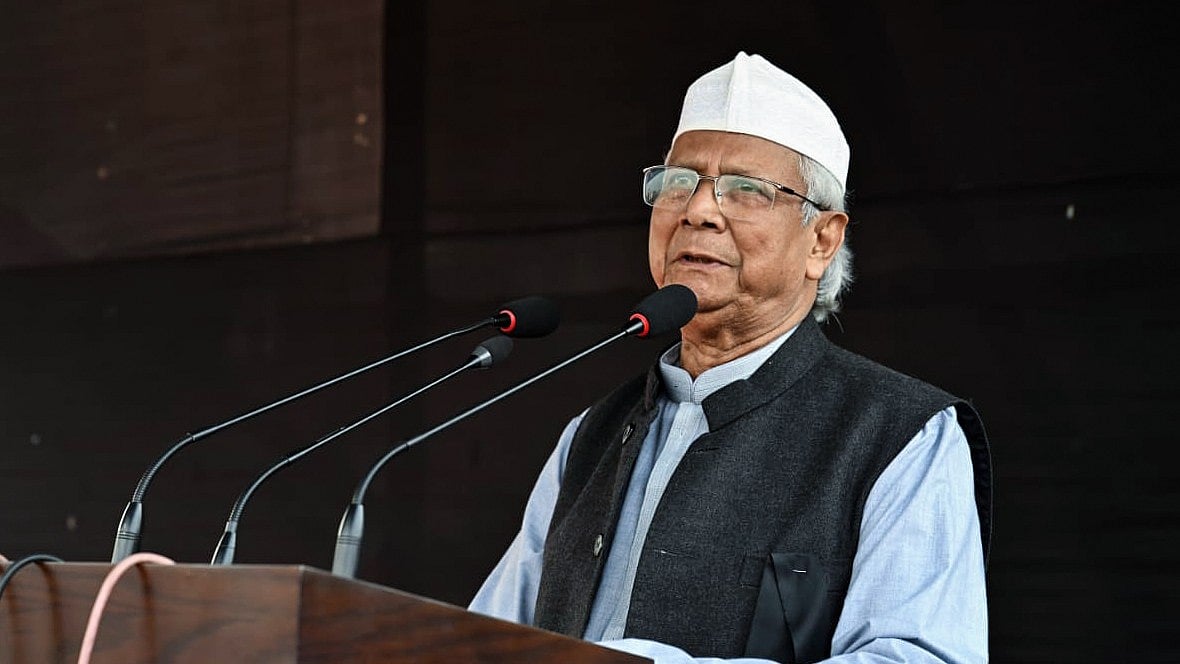
What followed was a collapse of order in Dhaka, with arson and looting becoming routine. Hasina and the Awami League were subjected to what amounted to a trial without defence. The process bore all the characteristics of a kangaroo court, stripping justice of credibility and deepening political polarisation. Elections scheduled for February 12 should have offered a way back to stability. Instead, by barring the Awami League from contesting, the interim government led by Nobel laureate Muhammad Yunus has rendered the exercise hollow, raising serious questions about its legitimacy. India, which was the first country to recognise Bangladesh as a sovereign democratic republic, has traditionally shared close and mutually beneficial ties with its neighbour. Today, however, a wave of anti-India sentiment appears to be sweeping over Bangladesh. Disturbingly, this hostility has coincided with repeated attacks on Hindus, a shrinking minority that has often borne the brunt of political upheaval. The killing of Das is the most savage reminder yet of how exposed they have become.
This murder did not occur in isolation. It took place amid a leadership vacuum, recurring breakdowns in law and order, and the systematic silencing of dissent, including critical journalism. Extremist elements, long present but previously restrained, are now exploiting the chaos to advance their agendas ahead of the elections. That some political aspirants publicly celebrated Das’s death on social media only underlines the depth of the moral decay. Yunus has sought to dismiss such violence as part of a broader security challenge. That explanation rings hollow when mobs dispense “justice”, minorities live in fear, and the press is attacked with impunity. Those who instigated or glorified Das’s murder are playing with fire. Unless the perpetrators are swiftly punished and the politics of hate is firmly rejected, Bangladesh risks tumbling over a precipice from which recovery may be impossible.

