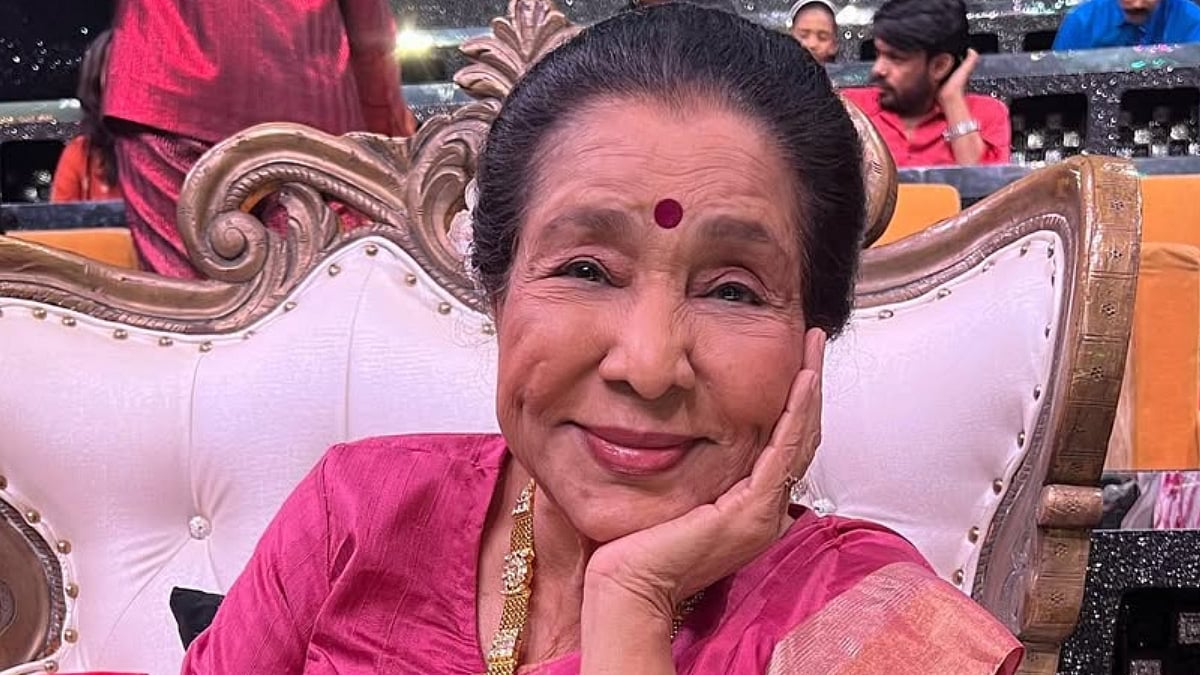
Art born out of pain is often the most exquisite, be it Vincent Van Gogh’s The Starry Night or Beethoven’s 9th symphony or, for that matter, the ever-so-versatile Asha Bhosle—the queen of Indi-pop. While the first two struggled with the pain of physical disabilities—Van Gogh creating his best while confined to an asylum and Beethoven creating his famous Chorale Symphony after going deaf—Asha Bhosle’s pain was both physical and emotional, stemming from a bad decision and marked with sibling rivalry, broken relationships, and personal loss.
Eloping at the tender age of 16 years with a man 20 years her senior led not only to estrangement with her siblings, Lata in particular, but also physical and mental abuse, leaving her no choice but to walk out of a turbulent marriage with her two children in tow back to her mother and siblings. She was expecting her third child then. Once, talking about the initial days of her marriage during an interview, she commented, “I would have to leave my one-month-old behind so I could go and sing and earn money. Apart from all this, I had to do all the household chores as well.” But the tenderness of romance was soon replaced by the harsh reality every married woman in India faces—abuse and ill treatment by the husband and the in-laws. Asha was no different.
If things were heading southway in personal life, her professional life was not thriving either. By the time Asha entered the Hindi film industry as a playback, Lata had already established herself. Work was difficult to come by, as music directors preferred Lata to Asha. Lata specialised in romantic, classical, and devotional songs rather, she had a monopoly over them. A comparison was inevitable between the two. To make a mark of her own and not get overshadowed by the elder sibling, Asha made a deliberate choice of bringing versatility in her work—from Indian pop to qawwalis, cabarets, and ghazals. This is the time she came close to music director OP Nayyar, who transformed her from a “singer for vamps” into the voice of A-grade heroines, and with whom she was said to be in a long relationship, though she never acknowledged the latter. The professional/personal relationship came to a bitter end in 1974, leaving Nayyar a lonely and bitter old man, estranged from his family.
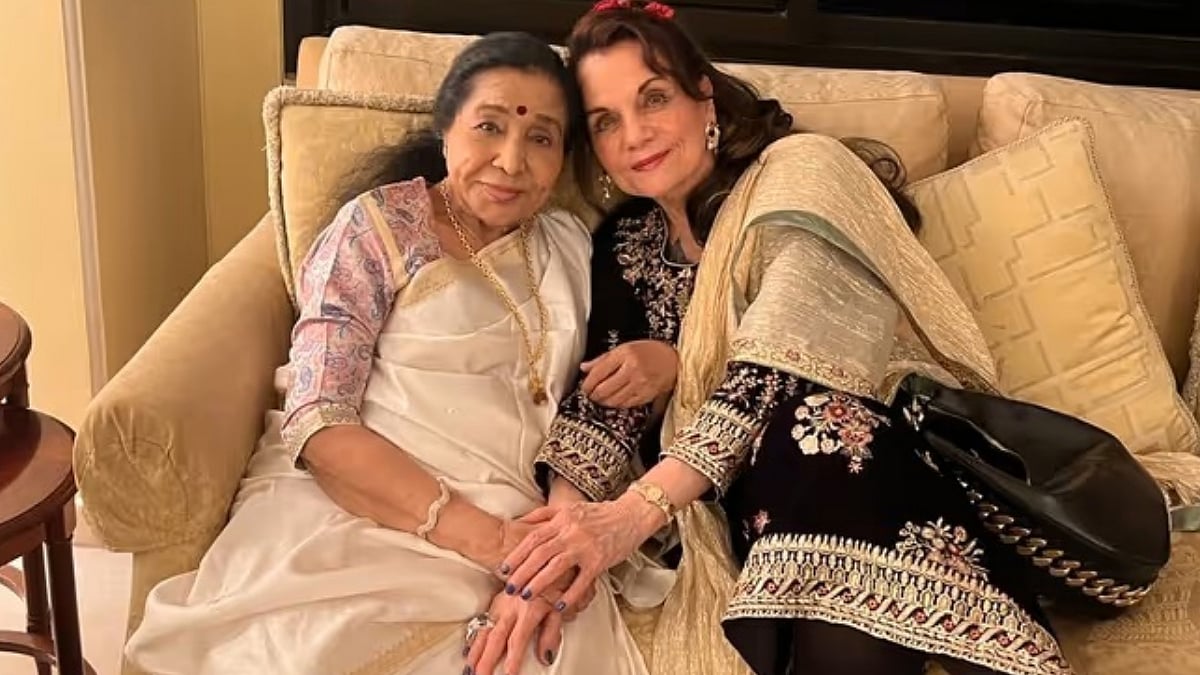
Her second marriage to RD Burman, in 1980, was not a success either. Though it lasted until Burman’s death in 1994, the couple had already separated in the late 80s due to personal differences. But Burman’s demise was a huge setback for her. Most tragic, however, were the deaths of her children, daughter, in 2012 and elder son Hemant, in 2015, that completed the loss. Despite these setbacks, Asha moved on undeterred and finally called it quits on April 12.

