Doctors are being trained to diagnose monsoon-related diseases like malaria, dengue and leptospirosis
Mumbai: In a major effort to fight monsoon-related diseases in the city, the This is one of a slew of measures that have been taken by the corporation to deal with the illnesses that come up during this season.
According to Dr Mini Khetrapal, deputy health officer, public health department of the municipal corporation, they had initiated this exercise in mid-April and they have been training their doctors to diagnose monsoon-related diseases like malaria, dengue and leptospirosis. “Equally important, information on the number of cases diagnosed and treated has to be relayed to the head office of the municipal corporation,” she said.
In fact, this applies even to the private doctors and they have trained doctors from about 45 private hospitals in this regard. “We are taking regular meetings at the Indian Medical Association to join with the private doctors and show them how to give the necessary details if they are treating any of the monsoon-related diseases,” Dr Kehtrapal said.
The health official further said that they have kept adequate stocks of medicines in all the hospitals with the idea that treatment should be quick. “Along with the medicines we have also kept adequate numbers of ventilators ready that can be used if a patient becomes serious,” she pointed out.
Speaking on the subject, Dr Pradeep Jadhav, medical superintendent, Bandra Bhabha Hospital, said that they have launched a major initiative for information, education and counselling of the general public so that preventive measures can also be taken. “We have been organising regular camps in slum areas of the city and giving the necessary information to the public on how to prevent such diseases,” he revealed. “We are using posters and even documentary films to explain various concepts to the slum dwellers that will help them to take preventive steps,” he said.
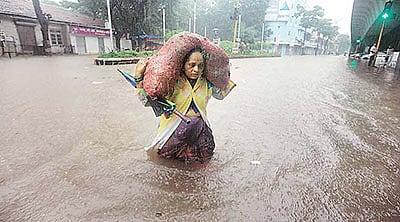
A senior health official explained that there are various phases in the monsoon season that decide the nature of the disease that will be prevalent in the community and steps have to be taken accordingly.”The first thing that has to be taken care of at the start of monsoon is drinking water and then comes issues like malaria and dengue,” the official said. And if there is water logging at some places when there is heavy rain, that is the time to look out for leptospirosis, he pointed out. In any case, all doctors in the city have to be told to maintain a high index of suspicion so that no patient with even routine fever and body ache is taken casually and all necessary tests are carried out.
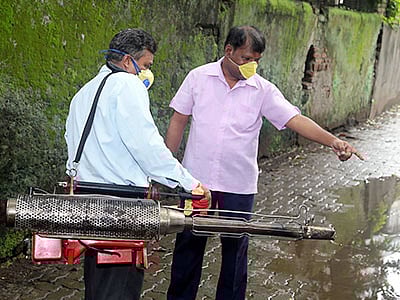
The civic body is carrying out other preventive activities like fogging drains and gutters with anti-malaria spray. Also, efforts are being made by the health officials to visit housing colonies and tell them that they should not allow any kind stagnant water to collect in the area, since these are breeding grounds for malarial mosquitoes, sources said.
As part of the monsoon preparation, resident doctors of JJ Hospital have embarked on a major vaccination programme to protect their doctors against the H1N1 infection. According to Dr Parameshwar Sathpathy from the department of preventive medicine, they have vaccinated around 150 resident doctors and even staff members of the hospital against this disease.
The doctor explained that it is well known that each season there is a new strain of the influenza virus that is present in the air and people get infected by this. “Therefore, pharma companies try to develop a vaccine against this particular strain which is effective for one year,” he said. Next year, the germs mutate and form a new strain and again the drug companies have to come up with a new vaccine, he pointed out.
