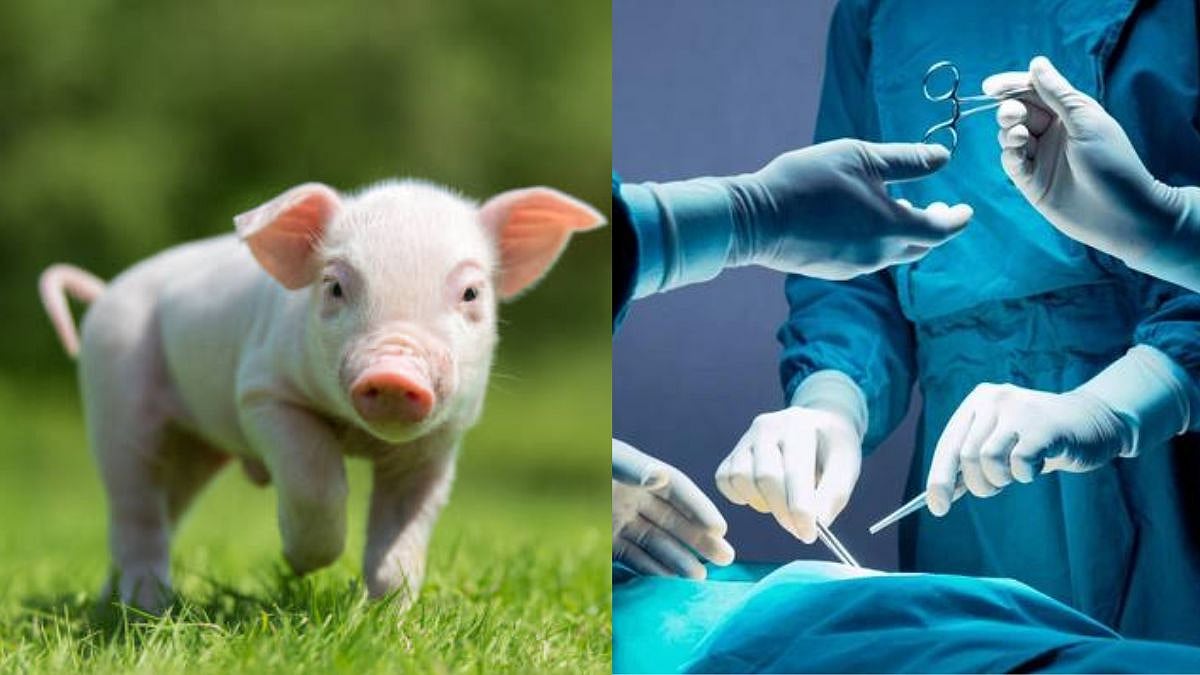
There have been discussions regarding xenotransplantations since the death of Richard Slayman, 62, who was the first man to undergo the procedure of receiving a kidney transplant from a pig and died two months after receiving a kidney transplant. This has raised speculations over the credit of xenotransplant and its field.
Organ Transplants
The human body is a complex machine, and parts wear out. Transplants are a lifesaver for those who are suffering from organ failure, but there is an organ shortage; over 100,000 people in the US alone are waiting for a kidney transplant, and many will have to endure years of dialysis, which is an exhausting procedure that removes waste products from the blood. This is where xenotransplantation, or the transplantation of organs from animals to humans, comes into play.
Xenotransplantation: A Promising Method
According to the United Network for Organ Sharing (UNOS), the one-year graft survival rate for kidneys from deceased donors is roughly 90%, and it gradually decreases over time. Finding a compatible donor is essential to the success of these transplants, but it can be challenging due to blood type and tissue matching issues. This is an area of great promise for xenotransplantation.
Because of their similar physiology and size to humans, pigs have gained popularity as organ donors. Nevertheless, immune rejection is a significant obstacle because the human body views a kidney from a pig as foreign and attacks it. To get around this, researchers are genetically modifying pigs using the potent gene-editing tool CRISPR-Cas9. This involves taking out genes that cause rejection and inserting human genes that encourage acceptance.

It is only the beginning for the xenotransplantation field, which is currently investigating and improving methods. Studies are being conducted to evaluate the long-term sustainability of pig kidneys and investigate the use of other animal organs. The potential implications are enormous: transplant wait times could drastically decrease as a result of an almost limitless supply of genetically modified organs, providing hope for millions of people.
The First Case Of Pig Kidney Transplant
In March 2023, researchers at Massachusetts General Hospital performed a historic first: they transplanted a genetically modified pig kidney into a human recipient. The recipient, a 62-year-old man with end-stage kidney disease, responded well at first, with the pig kidney performing a vital function: urine production. Tragically, the recipient passed away two months later from unrelated complications, but the transplant itself was a major success.

Challenges And Results
A 2022 study published in Nature Medicine offered promising results. Genetically-modified pig hearts transplanted into baboons functioned for up to two years. However, a contrasting study in Xenotransplantation (2021) reported significantly lower survival rates for pig kidneys in baboons. This highlights the significant need for further research and refinement of xenotransplantation techniques.
Immune Rejection
Even with advanced gene editing techniques, the human immune system might still recognize and attack the pig organ. This immune response can lead to organ failure, necessitating removal of the transplanted organ. This is considered a major failure in xenotransplantation.
Other Animals, If Not Pigs
Currently, pigs, monkeys, chimpanzees, and baboons are among the large animals that have been utilized in xenotransplantation. Because of their similar organ sizes, physiological metabolisms, and immune systems to humans, pigs are thought to be the best candidates to donate organs for xenografts.
