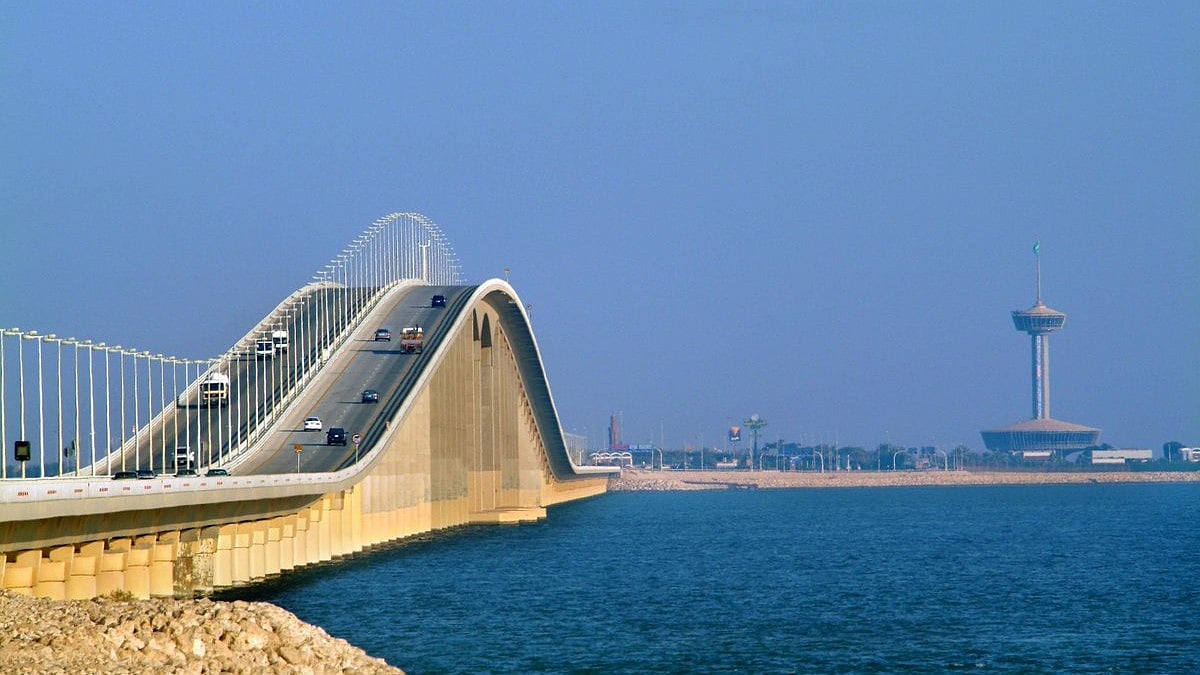
The King Fahd Causeway reopened on Tuesday after being briefly shut as a safety precaution amid heightened threat alerts linked to Iran. Authorities in Saudi Arabia resumed traffic once immediate risks subsided, ensuring the restoration of normal movement.
The reopening is quite crucial as the causeway is the only land link between Saudi Arabia and Bahrain. Any prolonged closure risks isolating Bahrain, disrupting daily commuting, trade flows, and tourism. The swift restoration helped prevent economic losses and ensured continuity in cross-border supply chains.
A Strategic Economic Lifeline
Spanning 25 kilometres, the causeway connects Khobar to Al Jasra and handles thousands of vehicles daily. It plays a vital role in facilitating business, family travel, and regional commerce, making it one of the Gulf’s most important infrastructure links.
Tensions Behind the Closure
The temporary shutdown followed security concerns over potential retaliation and missile threats amid rising regional tensions involving Iran and its adversaries. While no attack occurred, authorities acted cautiously to safeguard civilians and infrastructure.
Stability Signal in a Volatile Region
The quick reopening signals a temporary easing of immediate threats and helps stabilise movement between the two nations.
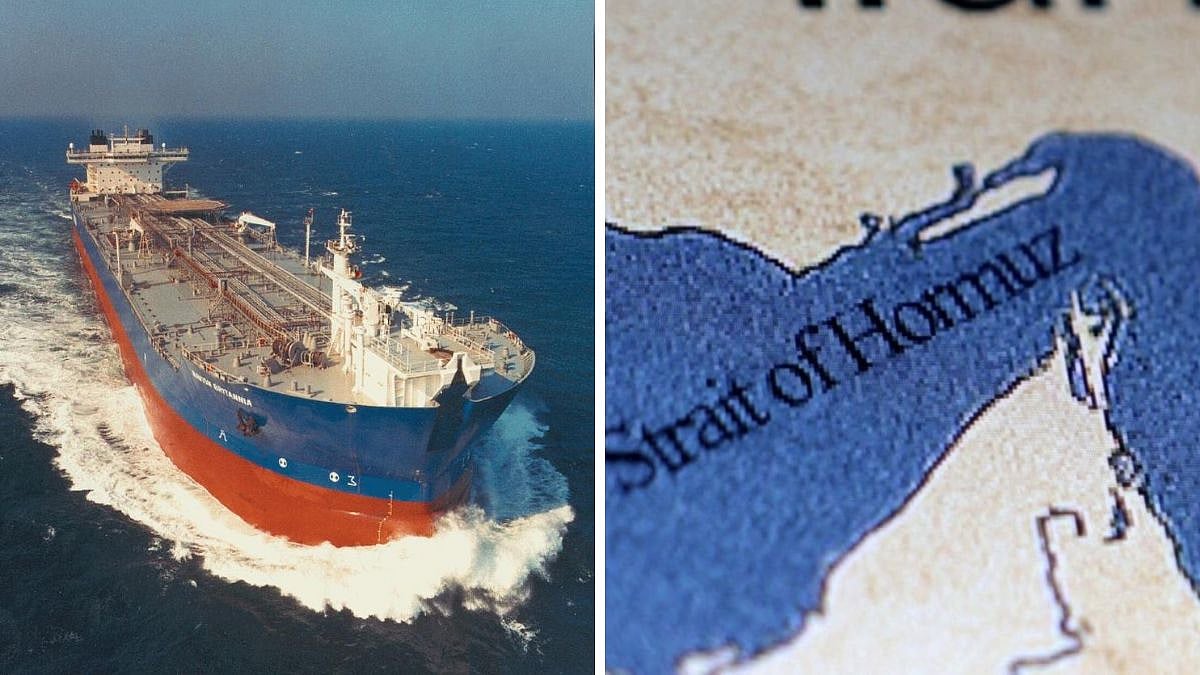
The precautionary closure comes amid rising tensions in West Asia involving Iran, the United States, and regional allies. Bahrain also saw airspace restrictions during the alert period, reflecting broader security concerns across the Gulf.
Future Expansion Plans
To reduce pressure on the existing link, Saudi Arabia and Bahrain are planning expansions, including a parallel bridge and a potential railway connection to enhance connectivity and resilience.
