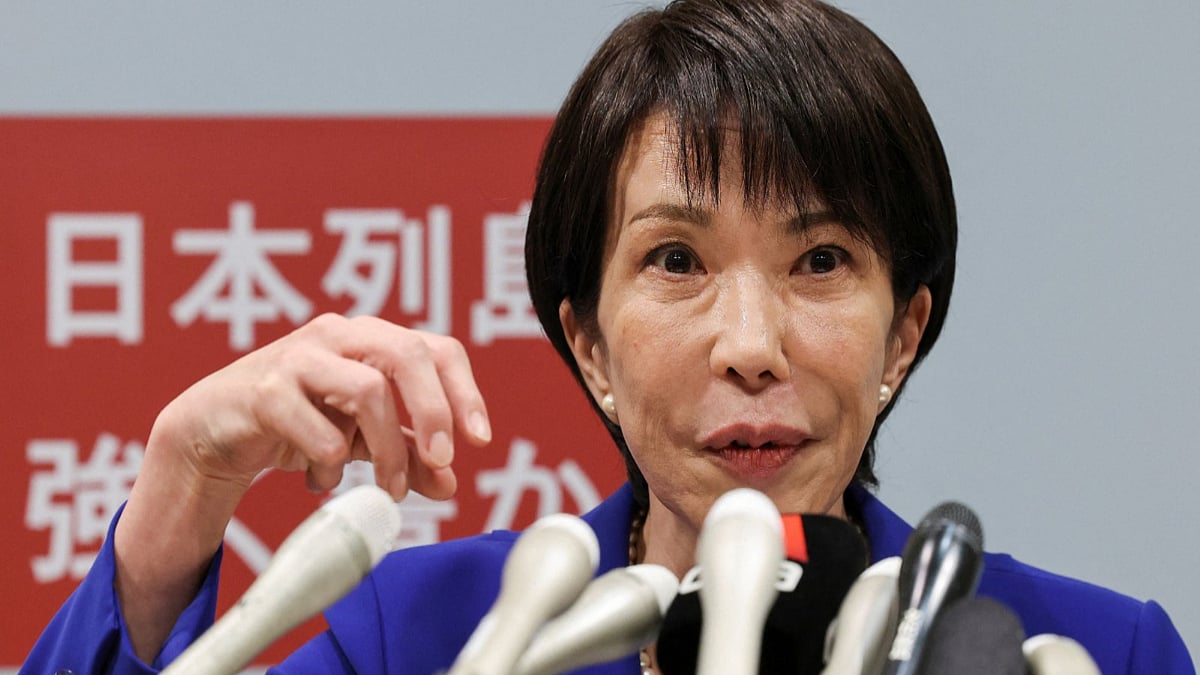
Amid geopolitical tensions in West Asia, Japan has reportedly announced that it will release part of its oil reserves as early as March 16. The development was confirmed by Prime Minister Sanae Takaichi on Wednesday. The aim of the move is to stabilise energy markets amid the ongoing conflict.
“Japan plans to release 15 days worth of private-sector oil reserves and one month's worth of state oil reserves,” Prime Minister Sanae Takaichi said.
Japan’s decision comes after talks among major energy-consuming nations on possible emergency measures to prevent supply shortages and curb volatility in oil prices.
Governments maintain strategic oil reserves to cushion economies from sudden disruptions in global oil supply, especially during geopolitical tensions or natural disasters that affect production and transportation.
The disruption comes amid escalating tensions following US–Israeli strikes on Iran on February 28, which triggered a wave of retaliatory drone and missile exchanges between the two sides. In response, Iran and its allied forces have effectively choked off traffic through the Strait of Hormuz, warning that any vessel attempting to pass through the strategic waterway could be targeted.
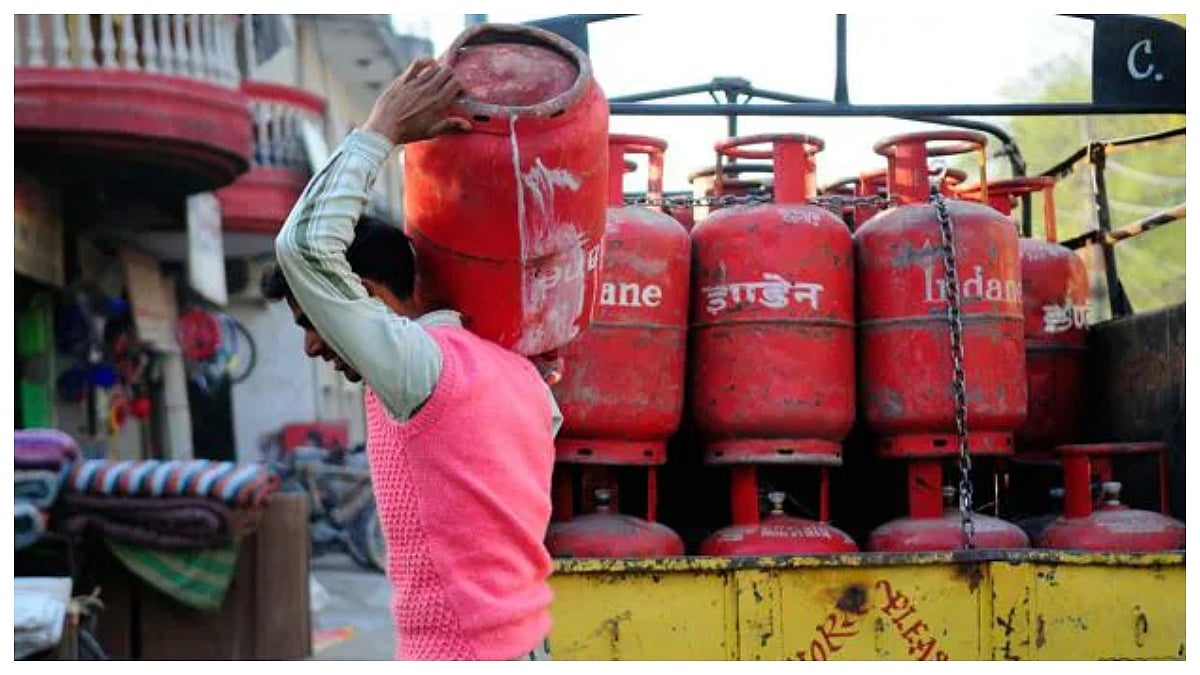
Why is there a shortage of LPG in India?
About 60% of India’s LPG is imported, mostly from Persian Gulf suppliers such as Saudi Arabia and Qatar. With the Strait of Hormuz closed since March 1, these imports have been severely disrupted.

