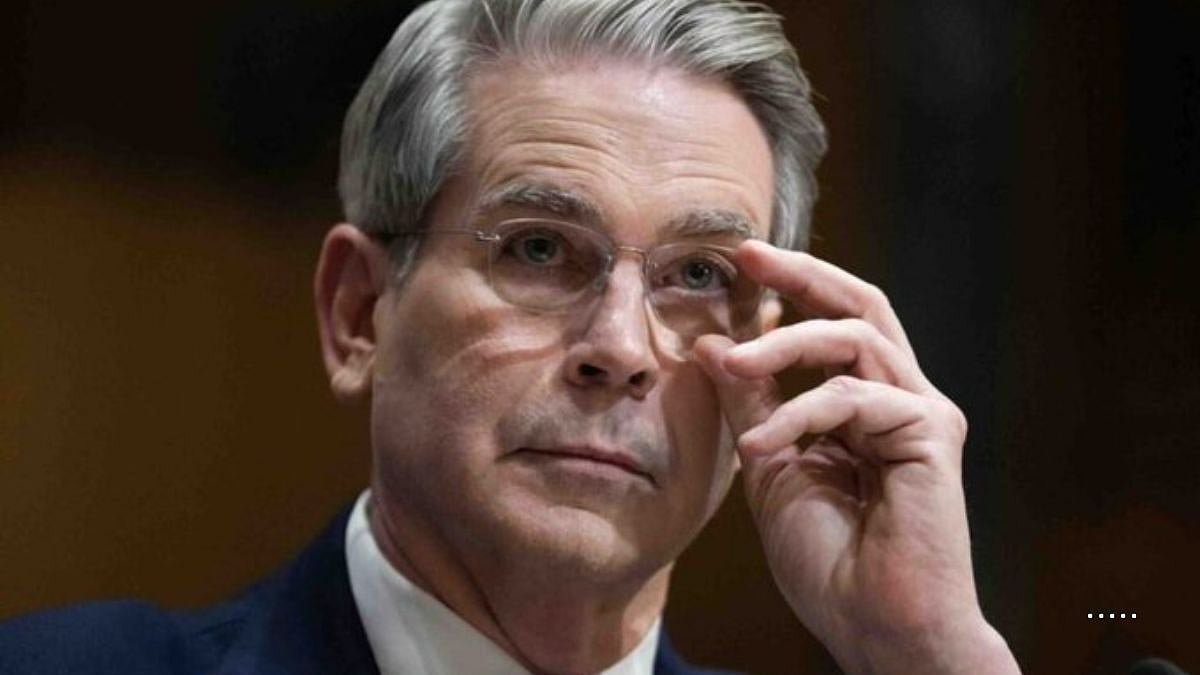
Washington: US Treasury Secretary Scott Bessent has relocated from his residence to a military base following threats to his safety allegedly connected to Iran, The New York Times reported on Tuesday, citing individuals familiar with the situation.
Also Watch:
The precise nature and severity of the threats against the cabinet official remain unclear. Nevertheless, the reported relocation comes amid mounting anxieties within the administration regarding potential Iranian plots targeting American citizens and personnel.
Despite escalating concerns, US officials have assessed that Tehran's capability to orchestrate large-scale attacks domestically or internationally remains constrained, the publication noted. Tehran has consistently rejected accusations of plotting attacks against US individuals on American territory.
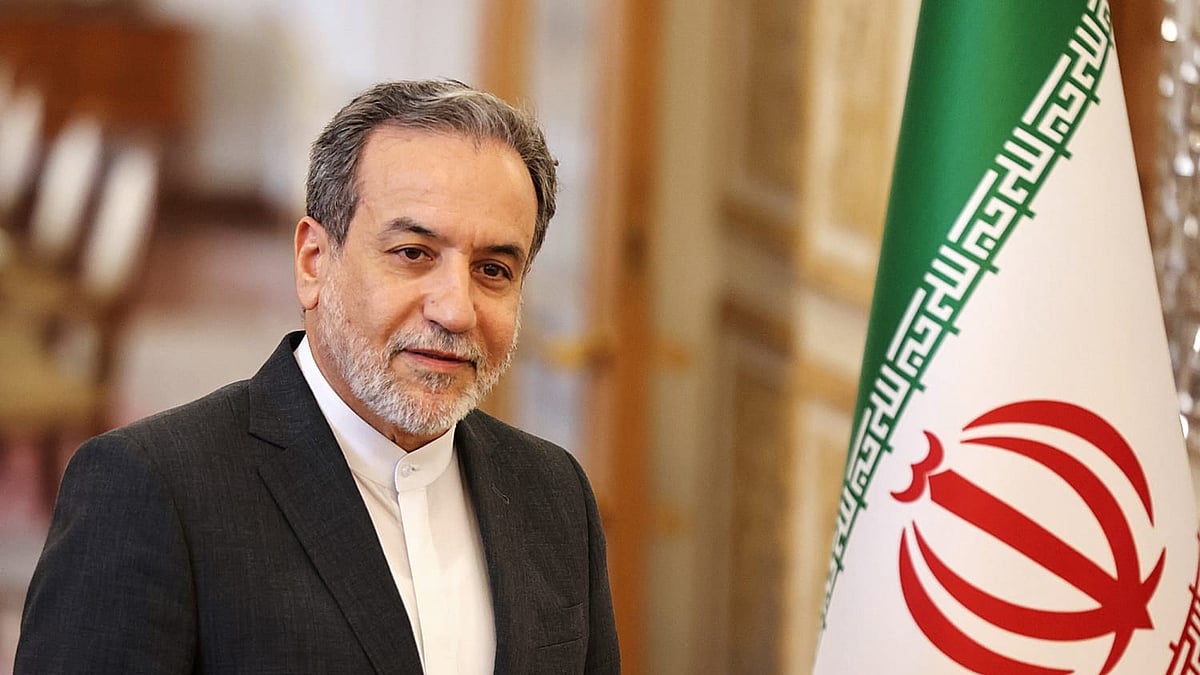
Bessent has emerged as a pivotal architect of Washington's economic campaign targeting Tehran, leveraging financial restrictions and punitive measures to squeeze Iranian oil revenues, financial networks and capital channels.
The Treasury Department has been at the centre of the administration's strategy to intensify financial pressure, particularly during the US-Israeli war that began on February 28. American authorities have actively worked to cripple Tehran's capacity to generate revenue and finance its military operations, imposing sanctions on designated individuals, corporate entities, maritime networks and oil trade participants.

This financial squeeze has operated alongside the broader military offensive, which has involved American and Israeli armed forces conducting airstrikes on strategic locations and Iranian military installations. These attacks have claimed thousands of lives and displaced millions across the broader region.
Furthermore, the conflict has resulted in the deaths of multiple high-ranking Iranian figures, notably former Supreme Leader Ayatollah Ali Khamenei. Concurrently, Israeli military campaigns inside Lebanon have intensified the human cost across the territory.
As the ongoing war deepens hostilities between the two capitals, concerns over potential reprisals targeting American officials remain a paramount security preoccupation.
Level up your brain the fun way. Play daily games and quizzes on FPJ Smart!
(Except for the headline, this article has not been edited by FPJ's editorial team and is auto-generated from an agency feed.)

