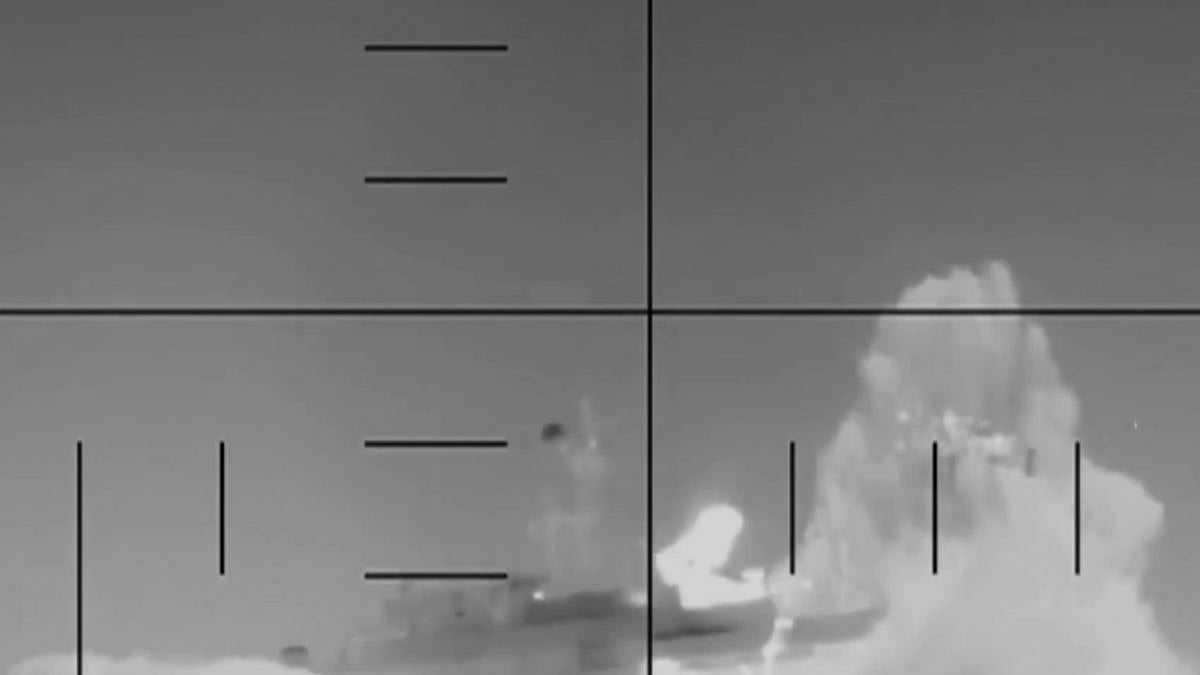
The current crisis in the Middle East has entered a surreal phase where high-intensity military operations and high-stakes diplomacy are no longer sequential, but simultaneous, or at least it seems so on tghe peace efforts.
The region is witnessing a dual-track reality. While US and Israeli forces conduct deep-strike operations inside Iran, diplomatic backchannels in Ankara and Muscat are working frantically to prevent a global economic collapse. This phenomenon is a classic example of "coercive diplomacy," where military destruction is used as a live negotiation tool to force a political settlement.
Who is involved in this expanding conflict?
The war, which began on February 28, 2026, with a massive US-Israeli surprise attack that killed Iran's Supreme Leader Ali Khamenei, has now pulled in nearly every major regional power. On one side is the US-led coalition, supported by Israel, which is targeting Iran’s missile launchers and leadership hubs. On the other is Iran, now led by Mojtaba Khamenei, which has retaliated by striking US bases and energy infrastructure in Saudi Arabia, the UAE, Qatar and Kuwait.
According to The Wall Street Journal, Gulf monarchies like Saudi Arabia and the UAE are moving away from their initial neutrality. Saudi Arabia has granted the US access to the King Fahd Air Base in Taif—a strategic move to keep American assets out of range of Iranian drones—while the UAE has begun shutting down Iranian-owned assets in Dubai to sever the Revolutionary Guard's financial lifelines.
What war track is currently achieving
The military dimension of this crisis is focussed on two goals -- decapitation of leadership and the degradation of strategic assets. According to The Guardian, Israeli and US strikes have reportedly destroyed roughly 75 per cent of Iran’s static missile launchers. However, Iran’s war on the global economy remains potent.
Tehran has effectively closed the Strait of Hormuz, a maritime chokepoint through which 20 per cent of the world's oil transits. By using "swimmer mines" and remote-controlled explosive boats, Iran has rendered the waterway uninsurable for commercial shipping. This "energy warfare" has pushed Brent crude prices beyond $100 per barrel.
How the peace track is operating at the same time
In a move that caught many by surprise, US President Donald Trump on Monday announced a five-day postponement of planned strikes against Iranian power plants. This "pause" was framed as a window for diplomacy, following what Trump described as "very good and productive" talks with an unnamed "top person" in Iran.
While Tehran officially denies direct negotiations, Al Jazeera and The Guardian report that "multi-layered" mediation is happening through Turkey and Oman. Turkish Foreign Minister Hakan Fidan has been coordinating with Egyptian and EU officials to create a "framework for de-escalation." This represents the "peace" side of the paradox—using a temporary lull in bombing to see if the Iranian regime, bucking under the loss of its top leadership and 6,000 military personnel, is ready to "make a deal."
Why Gulf States are inching"toward open combat
The Gulf monarchies find themselves in what analysts call a 'structural bind.' For weeks, they attempted to stay neutral to avoid becoming Iranian targets. However, that strategy failed when Iran began striking soft targets like Qatar’s Ras Laffan LNG hub and the SAMREF refinery in Saudi Arabia.
The realisation that US security umbrellas cannot stop every drone has led to a shift in posture. According to Chatham House, Saudi Arabia and the UAE are now debating whether to use their own advanced air forces—such as F-15s and F-16 Block 60s—to join the offensive.
They are lobbying the Trump administration to "finish the job" before a ceasefire is signed, fearing that a premature peace would leave Iran’s remaining military capabilities intact and ready for future revenge.
Where humanitarian and economic impact is most felt
The human cost is staggering. In Iran, more than 3 million people are internally displaced and the threat of total power grid failure looms. Experts quoted in The Guardian warn that if the US "obliterates" Iran's 100,000-megawatt energy grid, it would create an "unimaginable hell" for 90 million civilians.
Globally, the impact is felt at the pump and in supply chains. With the Strait of Hormuz effectively closed, even the use of overland pipelines through Saudi Arabia can only offset a fraction of the lost 20 million barrels per day. The world is currently facing the largest energy supply disruption since the 1970s.
When will the five-day window end?
The current standoff is scheduled to reach a turning point by late March, when Trump’s five-day postponement expires. If the mediation efforts by Turkey and Oman fail to produce a verifiable opening of the Strait of Hormuz, the US has threatened to resume "bombing our little hearts out," specifically targeting the civilian energy infrastructure that has so far been spared.
The Middle East is essentially waiting to see which track wins -- the one that seeks a "complete and total resolution" through backchannels, or the one that views total military victory as the only path to lasting security.
