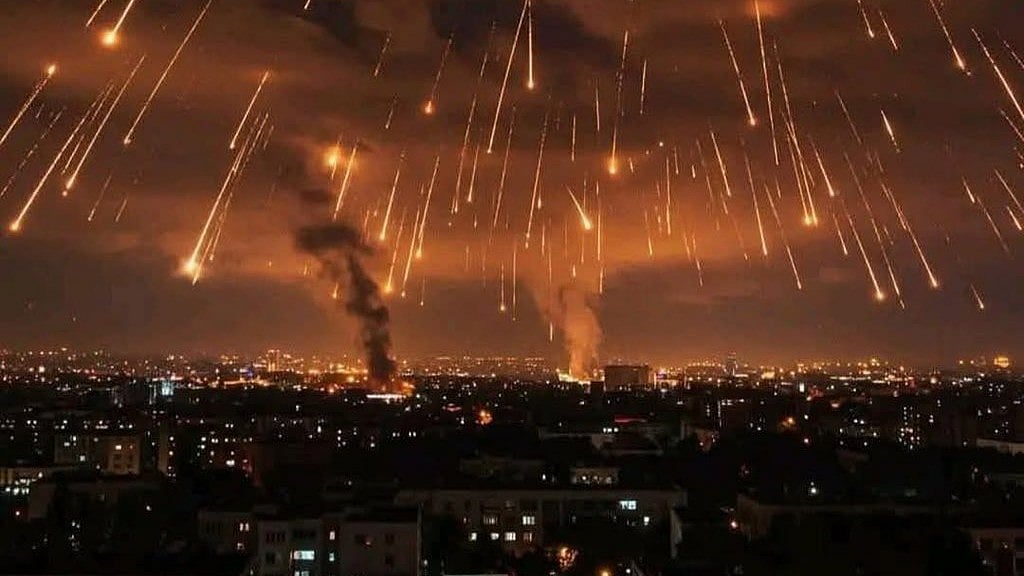
The death toll from US-Israeli airstrikes on Iran has risen to 787, Iranian state media reported on Tuesday, citing figures from the Iranian Red Crescent. The escalating military campaign, which began on February 28, has caused extensive destruction and marked one of the most serious confrontations in the Middle East in recent decades.
Strikes Target Leadership And Military Sites
The confrontation erupted after coordinated US-Israeli strikes on Iranian territory targeting what Washington described as key military installations and government leadership infrastructure. Among those reportedly killed was Supreme Leader Ali Khamenei, along with several senior political and military figures and members of his family, according to Iranian reports.
The attacks have triggered retaliatory actions and heightened tensions across the region, raising fears of a prolonged and destabilising conflict.
Araghchi Shares Image Alleging Civilian Deaths
Amid the intensifying war, Iran’s Foreign Minister Abbas Araghchi shared an image on X showing rows of freshly dug graves, claiming they were prepared for more than 150 girls allegedly killed in a joint US-Israel strike on a primary school in Minab.
In the post, Araghchi described the victims as “innocent young girls” whose bodies were “torn to shreds” in the bombing. He criticised US President Donald Trump, saying the strike contradicted Washington’s stated aim of delivering “rescue” to the Iranian people.
Region On Edge
Now entering its fourth day, the conflict has widened beyond initial targets, sparking diplomatic fallout, cross-border attacks and mounting humanitarian concerns. Analysts warn that continued escalation could further destabilise the Middle East, with regional actors increasingly drawn into the unfolding crisis.

