The United States has imposed a 10% tariff on goods imported from India over concerns related to the use of forced labour in production, reducing the proposed levy after New Delhi amended its foreign trade policy to ban the import of such goods.
Last month, the US had proposed a 12.5% tariff on Indian goods under Section 301 of the Trade Act. However, Washington revised the rate after India introduced a prohibition on the import of goods produced using forced labour.
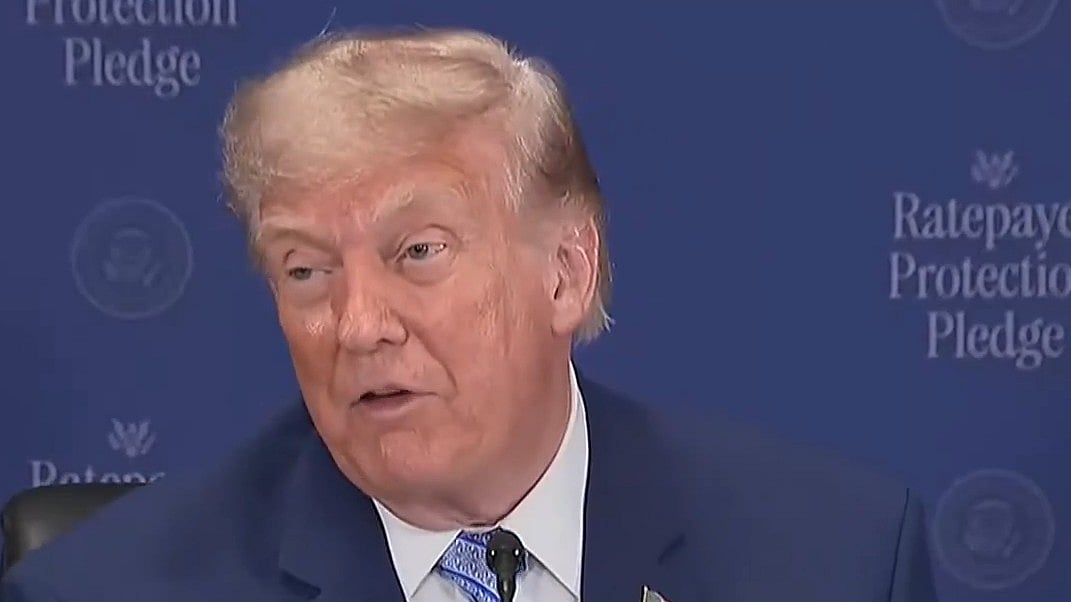
“As a result of these actions, the Trade Representative has advised me that the goods of these economies should be tariffed at the 10 per cent rate to further encourage these economies to effectively enforce such prohibitions,” US President Donald Trump said in a memorandum issued on Thursday.
US Trade Representative Jamieson Greer announced the tariffs on 60 countries under Section 301 of the Trade Act on Thursday, a day before the expiry of the temporary 10% additional levy imposed on imports from all countries.
India among 17 countries facing lower tariff
The new tariffs place India among 17 countries that will face the lower 10% rate. Other countries in this category include Canada, the UK, Bangladesh and Pakistan. The remaining 43 countries will face tariffs of 12.5%, including nations that do not have laws prohibiting the import of goods produced using forced labour, such as China and Japan.
According to a statement from the Office of the US Trade Representative (USTR), Greer took the final action under Section 301 of the Trade Act of 1974 at the direction of President Donald Trump. The tariffs target economies that have failed to prohibit and effectively enforce restrictions on imports produced with forced labour.
The tariffs came into effect at 12.01 am Friday, coinciding with the expiry of the temporary 10% import tax introduced after the US Supreme Court invalidated the president's "Liberation Day" tariffs announced in April 2025. The new tariffs will not apply to raw materials that could affect domestic supply, products likely to cause economy-wide disruptions, or goods that cannot be produced or grown in sufficient quantities in the US.
“The action will begin to correct what is both a human rights abuse and a distortive trade practice to improve the welfare of workers everywhere,” Greer said.
Also Watch:
India defends stance as trade talks continue
A Federal Note accompanying the decision acknowledged India's move to prohibit imports of goods produced using forced labour. India amended its foreign trade policy on June 14, following the announcement of the proposed tariffs in June.
The Trump administration initiated the investigations after the US Supreme Court, in February, ruled that the administration's reciprocal tariffs imposed under emergency powers were illegal. In response, the administration imposed temporary 10% tariffs on imports from all countries, which expired on Friday.
“A reduction in the tariff from 12.5 per cent to 10 per cent is modest in percentage points but significant in signalling. It suggests that Washington is willing to calibrate enforcement while preserving the strategic trajectory of the India–US economic partnership,” Abhik Sengupta, a programme officer with an industry body here, said.

India has challenged both USTR investigations and maintains that the issues should be resolved through the bilateral trade agreement currently under negotiation.
The US remains India's second-largest trading partner and its biggest export destination. Bilateral goods trade stood at nearly USD 141 billion in 2025, including Indian exports worth USD 87.3 billion, according to commerce department data.

