Washington: The administration of US President Donald Trump issued a 30-day sanctions waiver allowing the sale of Iranian oil stranded at sea, in a move aimed at easing global energy supply pressures triggered by the ongoing conflict involving the US, Israel, and Iran.
According to the US Treasury Department, the waiver permits the sale of Iranian crude and petroleum products already loaded onto vessels between March 20 and April 19. Officials clarified that the authorisation is limited in scope and does not allow any new production or fresh purchases.
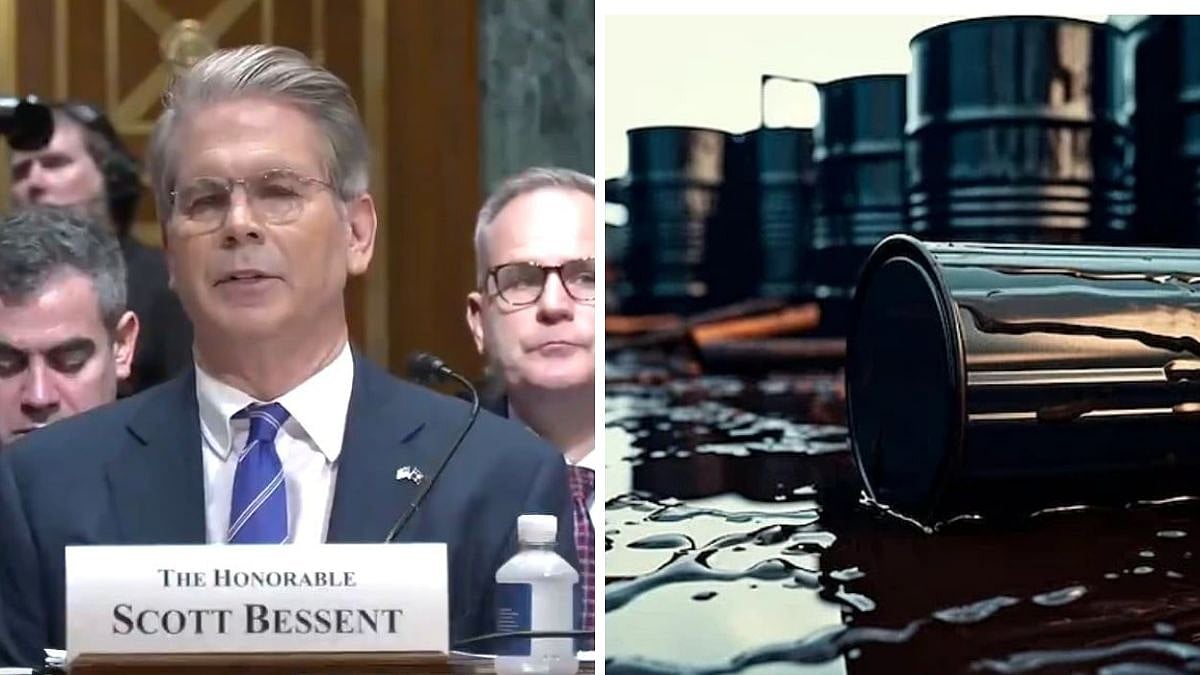
US Treasury Secretary Scott Bessent described the measure as a narrowly tailored, short-term step to stabilise global energy markets amid rising geopolitical tensions. In a statement, Bessent said the move would help unlock approximately 140 million barrels of oil currently stranded at sea, thereby increasing global supply and easing pressure on prices. He added that the policy is designed to counter disruptions caused by Iran, particularly in critical energy corridors like the Strait of Hormuz.
“At present, sanctioned Iranian oil is being hoarded by China on the cheap. By temporarily unlocking this existing supply for the world, the United States will bring additional barrels into the market and help relieve supply pressures,” Bessent said.
He stressed that the waiver strictly applies only to oil already in transit and that Iran would face challenges in accessing the revenue generated from these sales. The US, he added, will continue its “maximum pressure” campaign on Tehran and restrict its access to the global financial system.
The decision comes amid heightened concerns over disruptions to global oil flows, as tensions escalate in the Middle East. Iran’s actions around the Strait of Hormuz, through which a major portion of the world’s oil passes, have contributed to volatility in energy markets.
Bessent also highlighted broader efforts by the Trump administration to boost global supply, stating that policies have already helped bring hundreds of millions of additional barrels into the market. He credited the administration’s pro-energy stance for strengthening US production and enhancing energy security.

