In a major escalation of its crackdown on transnational organized crime, the United States has designated or is in the final stages of designating Brazil’s two largest criminal organizations, Primeiro Comando da Capital (PCC) and Comando Vermelho (CV), as terrorist entities.
The move forms part of the broader policy under the Donald Trump administration to classify major international drug trafficking organizations and violent criminal syndicates as Foreign Terrorist Organizations (FTOs) and Specially Designated Global Terrorists (SDGTs).
The decision is expected to significantly impact financial networks, cross-border investigations, and diplomatic ties between Brazil and the United States.
US Targets Brazil’s Largest Criminal Networks
As of late May 2026, the US State Department has officially designated PCC and Comando Vermelho as Specially Designated Global Terrorists (SDGTs), while full Foreign Terrorist Organization (FTO) status is reportedly expected to come into force around June 5.
The designation follows a series of earlier sanctions imposed by Washington against Latin American criminal groups, including Mexican cartels and Venezuela-linked gangs. It also comes after lobbying efforts by Brazilian conservative figures, particularly Senator Flávio Bolsonaro, who reportedly urged President Donald Trump to take action against the groups.
The US government argues that these organizations operate as sophisticated transnational networks involved in narcotics trafficking, money laundering, corruption, arms smuggling, and extreme violence, posing a threat to regional stability and international security.
What Is PCC?
Primeiro Comando da Capital (PCC) is widely regarded as Brazil’s most powerful criminal organization.
Founded in 1993 inside São Paulo prisons, the group evolved from a prison gang into a vast transnational criminal empire. PCC controls major cocaine trafficking routes from South America to Europe and maintains links with international criminal organizations, including Italy’s ’Ndrangheta mafia.
The syndicate is known for its highly organized structure, internal discipline, and sophisticated financial operations. Authorities believe the group launders money through legitimate sectors such as fintech companies, transport businesses, and real estate.
Over the years, PCC has expanded beyond Brazil and is believed to operate across nearly 30 countries through networks of members, affiliates, and collaborators.
What Is Comando Vermelho?
Comando Vermelho, also known as Red Command, is Brazil’s oldest major criminal faction.
The group traces its roots back to prisons in Rio de Janeiro during the 1970s and later established deep territorial control in several favelas across the city. CV became notorious for drug trafficking, gun-running, extortion, and violent turf wars.
Unlike PCC’s more centralized model, Comando Vermelho is often associated with heavily armed local operations and violent confrontations with rival gangs and security forces.
In recent years, the organization has expanded beyond Rio and increased its presence along border regions and international trafficking routes.
Why The US Calls Them Terrorist Organisations
Washington has increasingly framed powerful drug cartels and organized crime syndicates as “narco-terrorist” entities rather than conventional criminal gangs.
US authorities argue that groups like PCC and CV use systematic violence, intimidation, territorial domination, corruption, and transnational financing networks in ways that resemble terrorist organizations.
The Trump administration has already used similar terror designations against Mexican cartels such as the Sinaloa Cartel and Jalisco New Generation Cartel, as well as Venezuela-linked criminal networks like Tren de Aragua.
Supporters of the policy claim the designations provide stronger legal and financial tools to dismantle global criminal networks. Critics, however, argue that the approach blurs the line between organized crime and terrorism.
Major Financial And Legal Consequences
The designation carries significant legal and economic implications.
Under US law:
American citizens and businesses are prohibited from providing any form of “material support” to the designated groups.
Financial institutions linked to PCC or CV transactions could face sanctions or asset freezes.
Companies operating in Brazil may face heightened scrutiny if their supply chains or business networks are exposed to cartel-linked money laundering operations.
Individuals accused of supporting the organizations may face criminal prosecution or civil penalties.
The measures are also expected to intensify intelligence-sharing, extradition efforts, and international financial monitoring.
Brazil Pushes Back Against The Label
Brazilian President Luiz Inácio Lula da Silva’s government has strongly opposed the terror designation, arguing that PCC and Comando Vermelho are profit-driven criminal enterprises rather than ideologically motivated terrorist groups under Brazilian law.
Brazil’s anti-terrorism legislation currently excludes organised crime groups that primarily operate for financial gain.
Officials in Brasília have reportedly raised concerns about sovereignty, diplomatic overreach, and the broader implications of the US unilaterally labeling domestic criminal groups as terrorist entities.
However, Bolsonaro-aligned conservatives have backed the move, portraying it as a tougher response to escalating organized crime and public insecurity in Brazil.
A Growing Global Trend
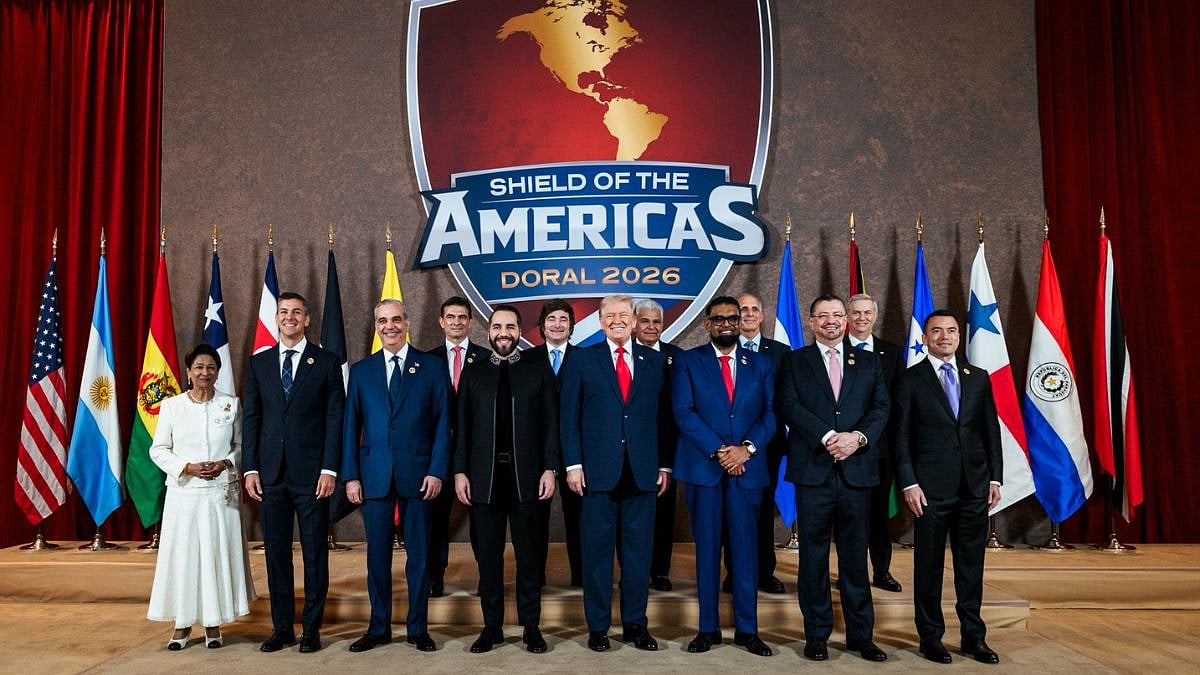
The designation reflects Washington’s broader strategy of expanding counterterrorism tools into the fight against transnational organized crime.
While supporters believe terror labels can disrupt funding pipelines and increase international cooperation, critics warn the policy may militarize anti-crime efforts without addressing deeper structural issues such as corruption, inequality, weak governance, and global drug demand.
The development is likely to have far-reaching consequences for Brazil-US relations, financial systems, law enforcement coordination, and the evolving global debate over how states confront organized crime networks.

