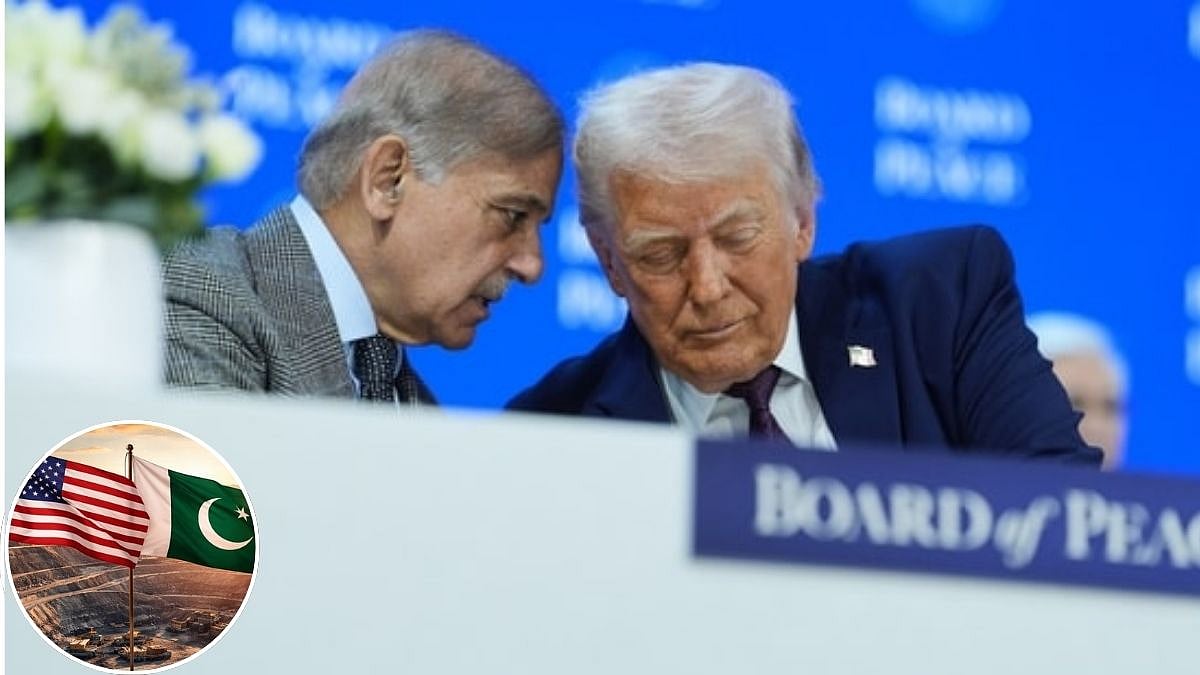
The United States has committed nearly $1.3 billion to Pakistan’s flagship Reko Diq copper and gold mining project in Balochistan, marking one of the largest foreign investments in the country’s mining sector and a significant economic boost for the insurgency-hit province.
The $7 billion project, located near the Pakistan-Iran border, is expected to begin production by the end of 2028. It is being developed by Canadian mining giant Barrick Mining Corp in partnership with Pakistani authorities and is among the world’s largest undeveloped mineral deposits.
US backing and project structure
The US investment will be routed through the Export-Import Bank of the United States (EXIM) as part of Washington’s broader strategy to secure critical mineral supply chains and strengthen economic ties with Pakistan.
Barrick Mining Corp holds a 50 per cent stake in the project. The remaining share is split between Pakistani entities, with 25 per cent owned by three federal state-owned enterprises and 25 per cent by the Government of Balochistan. Of Balochistan’s stake, 15 per cent is fully funded, while 10 per cent is held on a free carried basis.
In addition to US backing, lenders including the International Finance Corporation and the Asian Development Bank are assembling a financing package exceeding $2.6 billion, according to a Reuters report.
Security challenges and infrastructure needs
The Reko Diq project is located in Balochistan, Pakistan’s largest but least developed province, which has long faced violence from separatist and jihadist groups. Security remains a major concern for the mine’s operations.
The project will also require significant infrastructure upgrades, including improvements to railway lines to transport copper concentrate to Karachi, from where it will be processed abroad.
Economic and geopolitical significance
For Pakistan, Reko Diq is central to Islamabad’s mineral strategy and is expected to generate billions of dollars in revenue over its lifetime. The project added 13 million ounces to Barrick’s gold reserves in 2024 and is projected to produce 200,000 metric tonnes of copper annually in its first phase, with output expected to double after expansion. Over 37 years, the mine is estimated to generate free cash flow of more than $70 billion.
Also Watch:

Prime Minister Shehbaz Sharif’s government has welcomed the US commitment, calling it a vote of confidence in Pakistan’s mining sector and ongoing economic reforms, particularly at a time when the country remains cash-strapped.
Beyond economics, the investment carries geopolitical weight, coming amid intensifying global competition for critical minerals and growing US efforts to diversify supply chains away from China.

