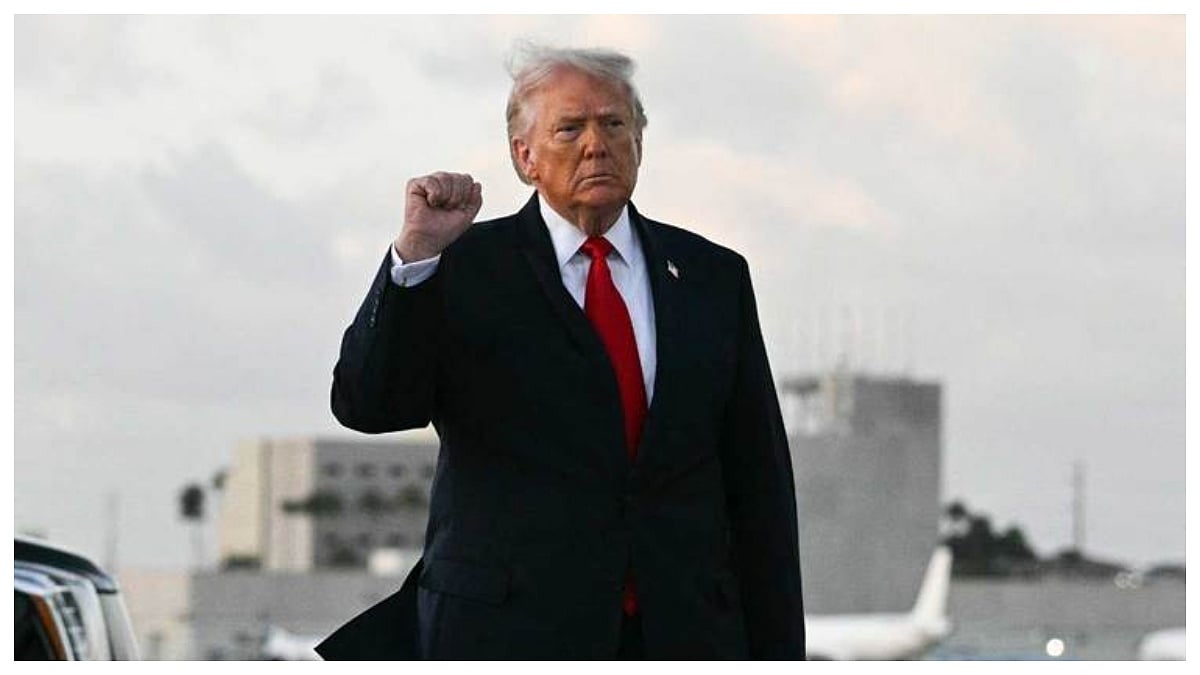
US President Donald Trump has announced that the United States will impose a naval blockade on ships entering or exiting Iranian ports starting April 13 at 10:00 AM ET (7:30 PM IST), marking a sharp escalation in tensions with Iran.
Donald Trump made this announcement on Truth Social: “The United States will blockade ships entering or exiting Iranian ports on April 13 at 10:00 A.M. ET. Thank you for your attention to this matter!” he declared.
US Announces Maritime Blockade Early In The Day
Earlier in the day, the United States military announced a major escalation in regional tensions, confirming that it would enforce a maritime blockade on Iran beginning April 13, following directives issued by US President Donald Trump.
In a post on X, CENTCOM stated that it would begin implementing the blockade at 10:00 a.m. ET, in line with the President’s proclamation. It added that the restrictions would be enforced impartially on all vessels entering or exiting Iranian ports, including those in the Arabian Gulf and the Gulf of Oman.
However, CENTCOM clarified that the blockade would not affect freedom of navigation through the Strait of Hormuz for vessels travelling to or from non-Iranian ports.
Iran Issues Strong Warning
In response, Iran’s armed forces issued a stern message, warning that access to key waters in the Arabian Gulf and the Sea of Oman would be “either for everyone or for no one.”
The statement reflects Tehran’s position that it will firmly defend its maritime sovereignty against any blockade attempt.
Strait Of Hormuz At Centre Of Crisis
Tensions are now focused on the Strait of Hormuz a critical global energy corridor.
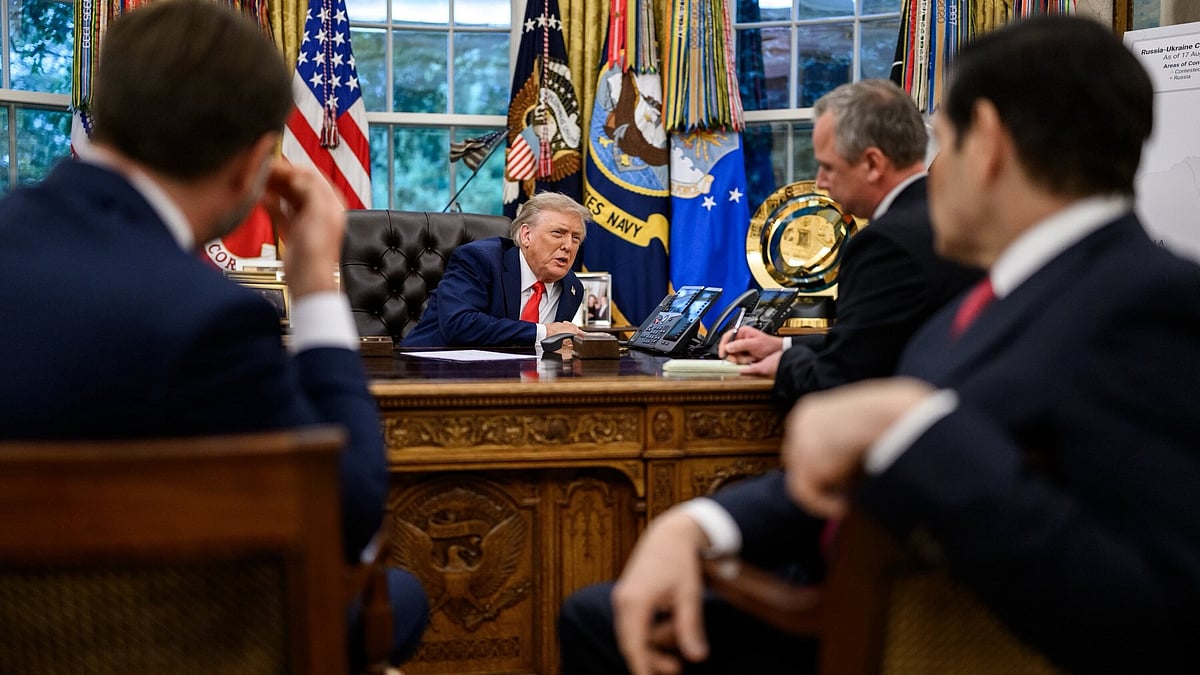
Iran has signalled potential restrictions in the strait, raising fears of disruption to one of the world’s most vital oil supply routes. Any interference here could have immediate consequences for global energy markets and trade flows.
UK Distances Itself From Escalation
UK Prime Minister Keir Starmer made it clear that Britain would not support any move to block the strait.
He stressed that the priority remains keeping the waterway open, underlining concerns among global powers about maintaining stability in the region.

