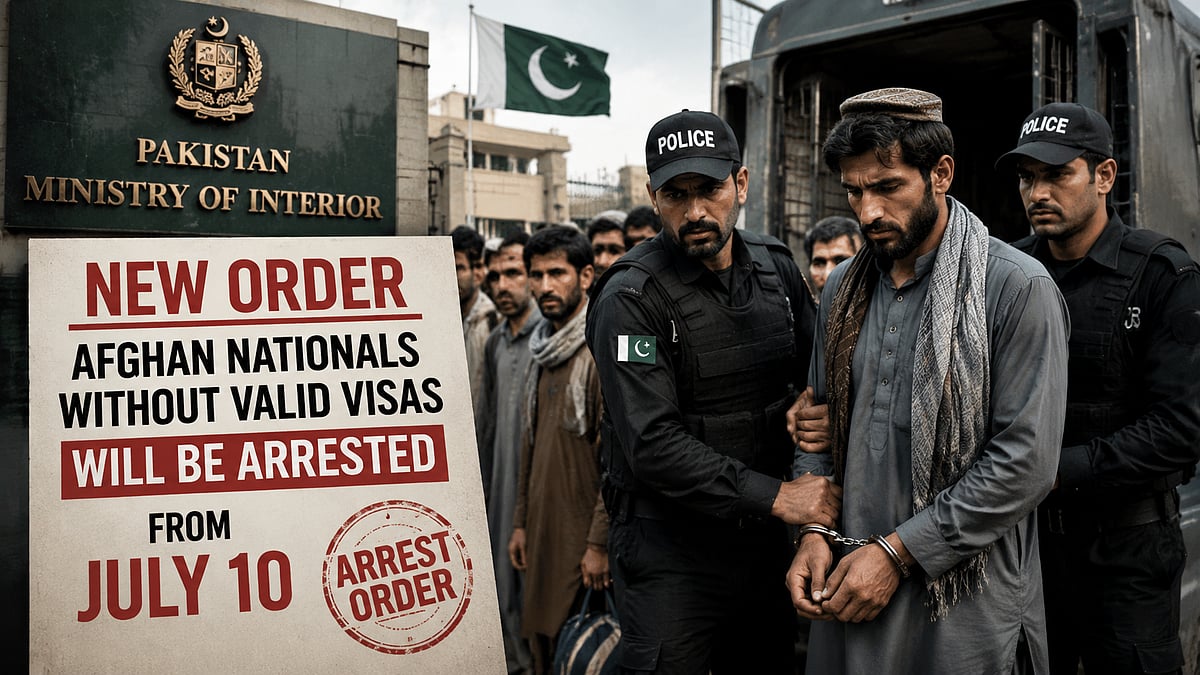
Pakistan's Ministry of Interior has directed authorities to immediately arrest any Afghan national residing in the country without a valid visa from July 10, according to local media reports on Monday.
The order, issued to the chief secretaries of all provinces and the Islamabad Capital Territory (ICT), follows decisions taken during a review meeting on the Illegal Foreigners' Repatriation Plan (IFRP) on June 1, Dawn reported.
The notification said that "all provincial governments, special area governments and the ICT Administration were directed to expedite the repatriation/deportation of Afghan nationals, including visa overstay cases, and to ensure strict implementation of the IFRP".
"With effect from July 10, 2026, any Afghan national found residing in Pakistan without a valid visa shall be arrested immediately," it read.
The ministry also directed deputy commissioners, district administrations, police and other law enforcement agencies to ensure effective implementation of the order. It further instructed authorities to prepare a report by July 11 detailing the number of Afghan nationals without valid visas in Pakistan, the action taken against them and their current status.
Deportation drive renewed
Pakistan launched its deportation drive in 2023 and renewed it in April last year after revoking hundreds of thousands of residence permits issued to Afghan nationals and warning them of arrest if they failed to leave the country.
On May 22, United Nations High Commissioner for Human Rights Volker Turk warned against the continued forced repatriation of Afghan refugees and asylum-seekers from host countries, calling it a violation of international human rights and refugee law.
"Afghan women, children and men continue to be pushed out of countries where they had sought safety, forcing them to return to Afghanistan against their will and exposing them to grave risk," he said.
UN raises concerns over forced returns
According to the United Nations High Commissioner for Refugees (UNHCR), nearly 270,000 Afghans have been deported to Afghanistan since the beginning of the year, mainly from Iran and Pakistan, with relatively smaller numbers from Turkey and Tajikistan. This comes in addition to more than 1.2 million Afghan refugees deported from Iran and 150,000 from Pakistan last year.
Also Watch:
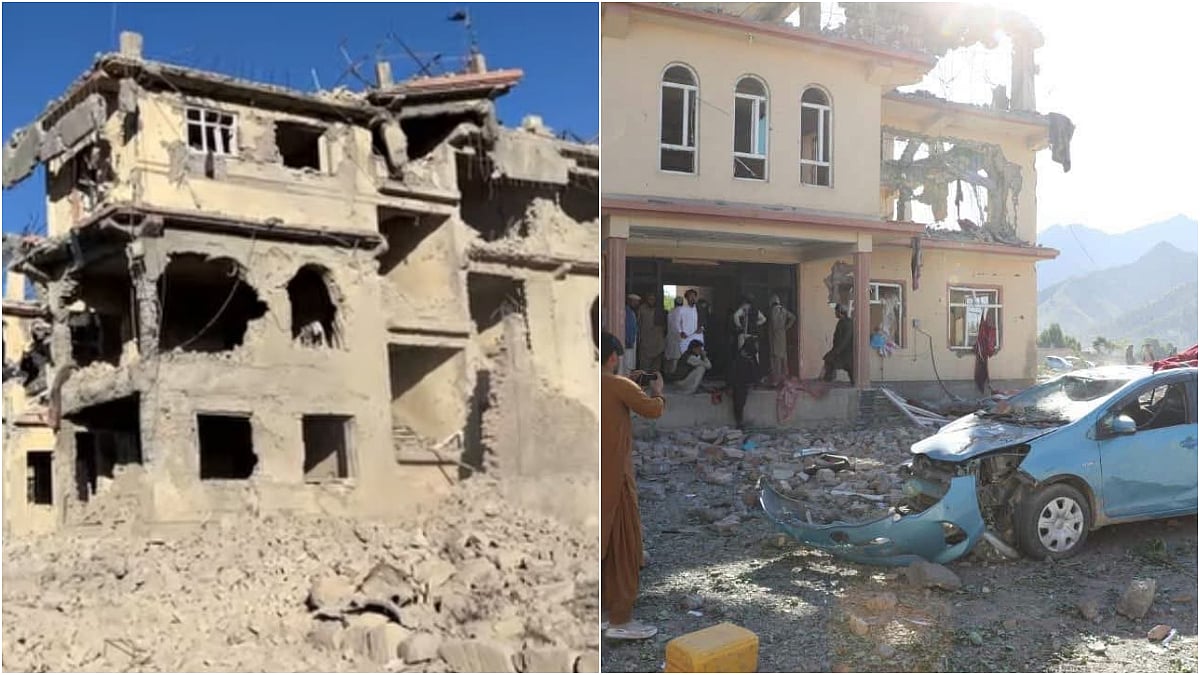
The UN human rights agency said women and girls, individuals affiliated with the former Afghan government and its security forces, media workers, civil society members and members of the LGBTIQ+ community remain at grave risk of reprisals and human rights abuses.
"Returning individuals at serious risk of human rights violations involuntarily to Afghanistan runs contrary to the core international law principle of non-refoulement. I urge States to abide by their international legal obligations and protect Afghans by not taking any action that exposes them to irreparable harm upon return," Turk said.

