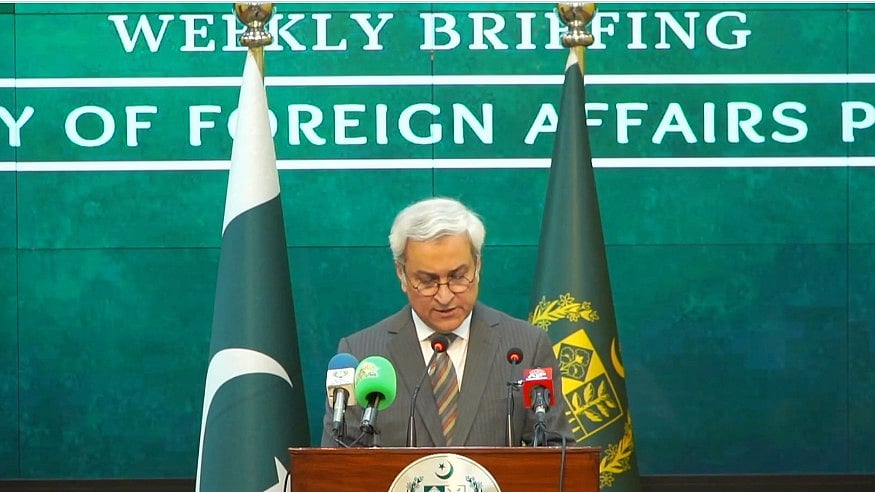
Pakistan on Saturday firmly rejected reports suggesting its efforts to mediate between the United States and Iran had stalled, calling such claims “baseless” and misleading amid heightened regional tensions.
Islamabad Refutes ‘Obstacle’ Claims
Foreign Office spokesperson Tahir Andrabi dismissed media reports that Pakistan’s peace initiative had run into trouble after initial exchanges between Washington and Tehran.
He said the reports, attributed to unnamed official sources, were a “figment of imagination” and did not reflect the government’s position.
Warning Against ‘Misrepresentation’
The clarification came after a closed-door briefing at the Ministry of Foreign Affairs was reportedly misinterpreted.
Andrabi stressed that in a sensitive geopolitical environment, responsible reporting was crucial. He urged media outlets to avoid speculation and rely only on official statements for accurate updates.
Backchannel Efforts Continue
Earlier reports had suggested that Pakistan facilitated the exchange of messages between the US and Iran, indicating some diplomatic movement. However, a lack of a clear response from Tehran was said to have slowed progress.
Despite this, Pakistani leadership remains in contact with Iranian President Masoud Pezeshkian and Foreign Minister Abbas Araghchi, signalling continued engagement.
China Also Urging Dialogue
According to earlier inputs, both Pakistan and China have encouraged Iran to consider negotiations. However, Tehran has yet to formally indicate willingness to participate in talks.
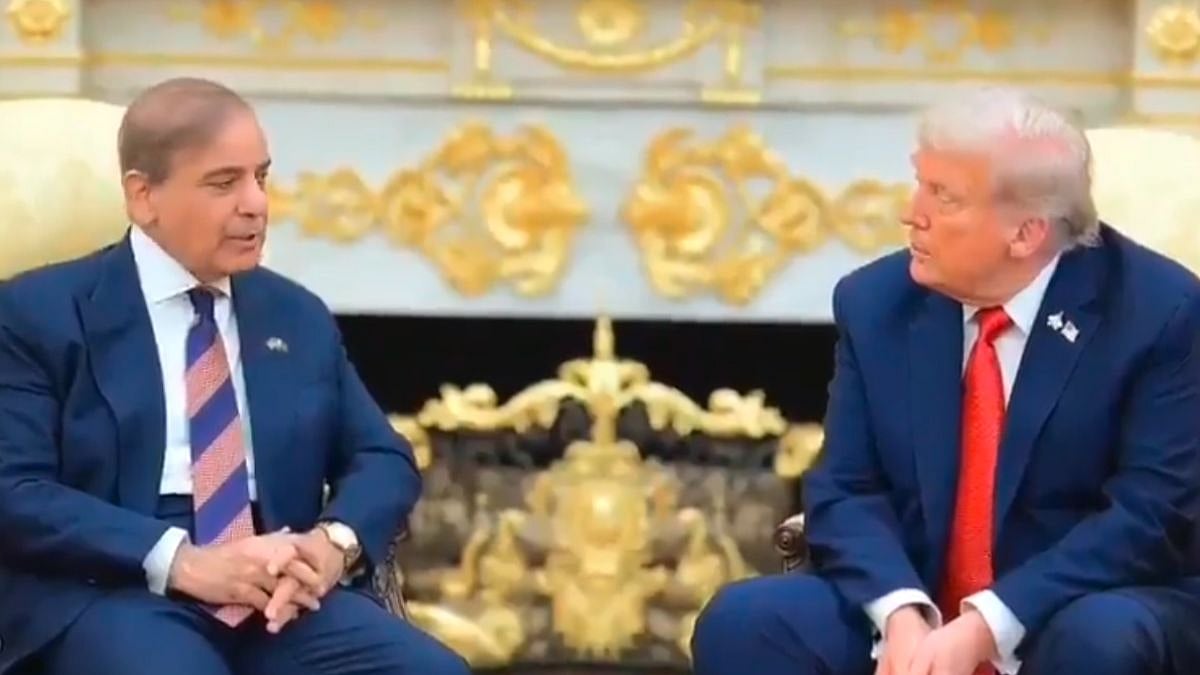
Balancing Act Amid Escalating Conflict
Pakistan stepped in diplomatically soon after the conflict erupted, partly due to its strategic commitments in the region, including obligations linked to Saudi Arabia.
While Islamabad has not succeeded in brokering a ceasefire so far, it has managed to stay out of direct involvement in the conflict.
Conflict Reshapes Regional Stability
The ongoing war, triggered after joint US and Israeli strikes on Iran on February 28, has significantly escalated tensions across the Gulf.
The fallout has disrupted energy supply chains, particularly around the Strait of Hormuz, raising global economic concerns.

