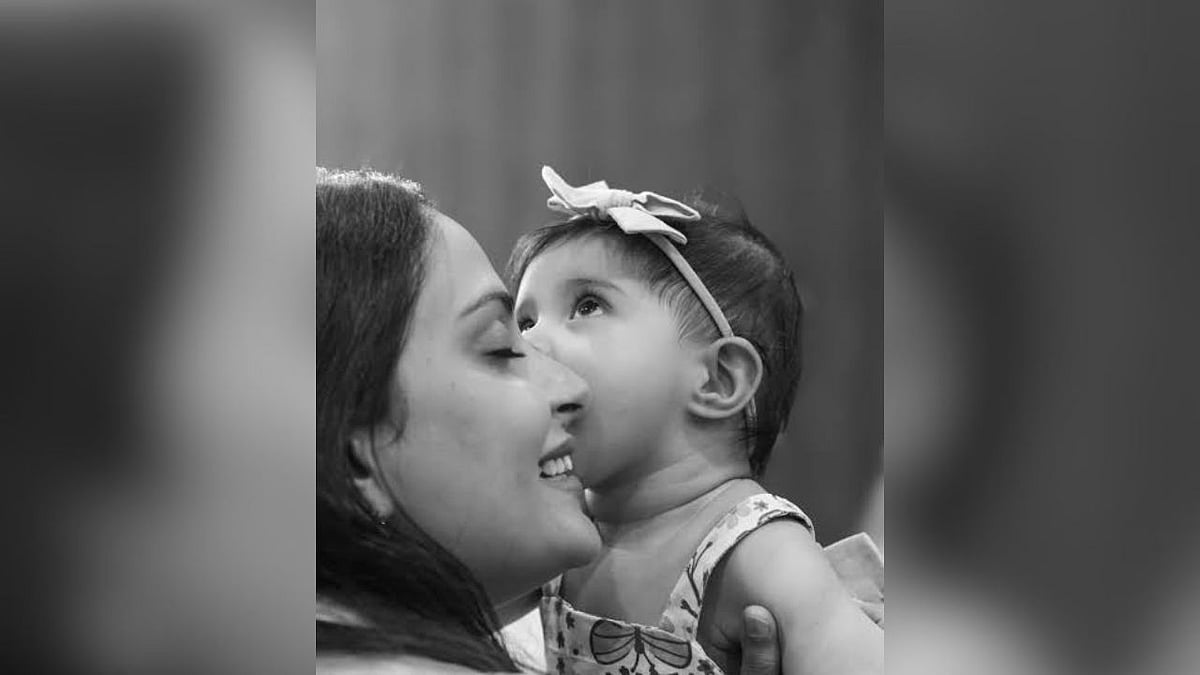
every eight babies born in the country had an ethnically Indian mother, according to official birth registration data released by Statistics New Zealand.
The findings, presented at the International Population Conference 2025, highlight the growing demographic influence of the Indian community, driven by sustained immigration and a relatively younger population compared with New Zealand's ageing European-origin population.
Indian Share of Births Has More Than Quadrupled Since 2008
The proportion of births to Indian mothers has risen steadily over the past 16 years, reflecting the rapid growth of the Indian-origin population across New Zealand.
Growth over the years:
2008: 2.8%
2012: 3.5%
2016: 5.5%
2020: 7.9%
2024: 12.6%
The data shows that the share of births to Indian mothers has increased more than fourfold since 2008.
Immigration and Younger Population Driving the Trend
Researchers attribute the rise primarily to continued immigration from India and the relatively younger age profile of the Indian community.
Many Indian migrants who arrived over the past two decades are now in their prime child-bearing years, contributing to a higher share of births compared with New Zealand's older European-origin population.
Cities such as Auckland, Hamilton, Wellington and Christchurch have witnessed significant growth in Indian communities, with many families choosing to settle permanently.
Fertility Patterns Add to Population Growth
New Zealand's overall fertility rate has fallen to around 1.5–1.6 births per woman, remaining below the replacement level.
While Asian women as a whole have an estimated fertility rate of around 1.32, researchers note that Indian women generally have higher completed fertility than Chinese women within the broader Asian population.
Combined with a younger age structure, this has contributed to the growing share of births among Indian families.
Demographic Shift Expected to Shape Future Planning
Experts say migration is becoming an increasingly important driver of New Zealand's population growth as fertility rates decline across most ethnic groups.
The country's expanding Indian population is already making a significant contribution across healthcare, information technology, education, retail and business sectors.
Researchers believe these demographic changes will influence long-term planning for schools, healthcare services, housing and the workforce as New Zealand becomes increasingly diverse.
Study Based on Official Birth Registration Data
The findings were presented at the International Population Conference 2025, organised by the International Union for the Scientific Study of Population, using official birth registration data compiled by Statistics New Zealand.
The data refers to births where the mother identified herself as ethnically Indian. As New Zealand records ethnicity through self-identification, individuals may identify with multiple ethnic groups.

