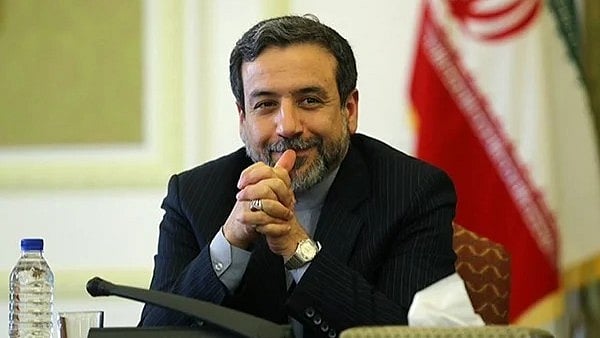
Iraninan Foreign Minister Abbas Araghchi on Sunday described the killing of Ayatollah Khamenei as an "absolutely unprecedented" act and a "blatant violation of international law."
In an interview to Doha-based Al Jazeera, he warned that the assassination of a head of state by foreign forces has introduced a "dangerous and complicated" dimension to the existing conflict. '
Beyond his political role, Araghchi emphasised that Khamenei was a high-ranking religious figure for millions of Muslims globally, noting that the resulting protests in Iraq and Pakistan demonstrate the scale of the escalation. He specifically condemned the reported killing of demonstrators by US guards in Karachi as a tragic consequence of this "war of aggression."
Military strategy and defence of sovereignty
Regarding the ongoing hostilities, Araghchi maintained that Iran is acting strictly in self-defence against American and Israeli aggression. He asserted that while Iran cannot strike the US mainland, it will continue to target US military bases, personnel and facilities within the region that facilitate operations against Iranian territory.
The Iranian foreign minister accused US forces of attempting to use hotels as "human shields" after evacuating their primary bases. Despite this military friction, the foreign minister clarified that Iran has no current intention of closing the Strait of Hormuz or disrupting maritime navigation at this stage.
Regional relations and diplomatic stance
Araghchi addressed concerns from neighbouring Persian Gulf nations, insisting that Iran’s retaliatory actions are not directed at its "brothers" or neighbours, but exclusively at US targets.
He urged regional leaders who are frustrated by the instability to direct their pressure toward Washington and Tel Aviv rather than Tehran, arguing that this war was imposed upon Iran. Furthermore, he criticised the United States for launching attacks while negotiations were still active, stating that while Iran remains open to diplomacy, it recognises no limits or restrictions when it comes to defending its national sovereignty.
Constitutional succession and Transition Council
On the domestic front, Araghchi assured the international community that state institutions remain fully functional and that "everything is in order" according to the legal system. '
He confirmed that a Transition Council—comprised of the President, the Head of the Judiciary and a member of the Guardian Council—has been established to manage leadership duties temporarily.
He indicated that the Assembly of Experts has already initiated the selection process for a new Supreme Leader, suggesting that a successor could be named within one or two days.
Futility of the war
Reflecting on the broader conflict, the foreign minister predicted that the opposition would fail to achieve any of its strategic targets, much like the "12-day war" of the previous June.
He reiterated that Iran will not capitulate or surrender regardless of the duration of the pressure.
"There is no victory in this war," Araghchi said, stating that the "other side" will eventually be forced to realise that their current path cannot yield a favourable result.

